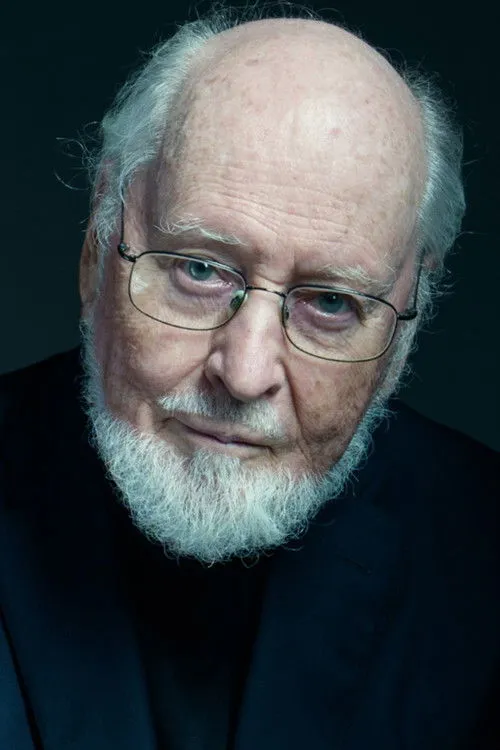
Age: 73
male
Daniel Robert Elfman (born May 29, 1953) is an American film composer, singer, songwriter, and musician. He came to prominence as the lead vocalist and primary songwriter for the new wave band Oingo Boingo in the early 1980s. Since scoring his first studio film in 1985, Elfman has garnered international recognition for composing over 100 feature film scores, as well as compositions for television, stage productions, and the concert hall. Elfman has frequently worked with directors Tim Burton, Sam Raimi, and Gus Van Sant, contributing music to nearly 20 Burton projects, including Pee-Wee's Big Adventure, Beetlejuice, Batman, Edward Scissorhands, Batman Returns, Mars Attacks!, Sleepy Hollow, Big Fish, and Alice in Wonderland, as well as scoring Raimi's Darkman, A Simple Plan, Spider-Man, Spider-Man 2, Oz the Great and Powerful, and Doctor Strange in the Multiverse of Madness, and Van Sant's Academy Award-winning films Good Will Hunting and Milk. He wrote music for all of the Men in Black and Fifty Shades of Grey franchise films, the songs and score for Henry Selick's animated musical The Nightmare Before Christmas, and the themes for the popular television series Desperate Housewives and The Simpsons. Among his honours are four Oscar nominations, three Emmy Awards, a Grammy, seven Saturn Awards for Best Music, the 2002 Richard Kirk Award, the 2015 Disney Legend Award, the Max Steiner Film Music Achievement Award in 2017, and the Society of Composers & Lyricists Lifetime Achievement Award in 2022. Description above from the Wikipedia article Danny Elfman, licensed under CC-BY-SA, full list of contributors on Wikipedia.
Danny Elfman

Composer
for Composer in World War II: The War in the Europe
Suggested by deadalusae

World War II was the most devastating and bloody military conflict in human history. It ran from 1939 to 1945 and was attended by most of the world's countries. In total, the this conflict has claimed more than 70 million victims on lives. 2025 marks 80 years since the end of this devastating war. Let us therefore recall the events that took place during it. The heroism of the allies who fought on all fronts for freedom against the Axis countries. It all began on 1 September 1939, when Nazi Germany invaded Poland. The fall of France followed. The Battle of Britain and the invasion of the Soviet Union in 1941. For Europe, everything looked hopeless because the Nazis occupied almost all of Europe. But then the Battle of Staligrad came and the war turned. The Soviets had defended Moscow, and after the Battle of Kursk it was clear that the eastern front was lost to the for Germans. In 1944, the Western Front was open. Allied forces made a successful landing in Normandy. The Americans, Soviets, British, and other allies gradually liberated Europe from the German occupiers, revealing their heinous crimes. In the end, the last decisive battle for Berlin took place, and Nazi Germany was defeated, ending World War II in Europe. These historical events included a number of personal stories of ordinary soldiers and civilians who were fully experiencing the horrors of World War II.