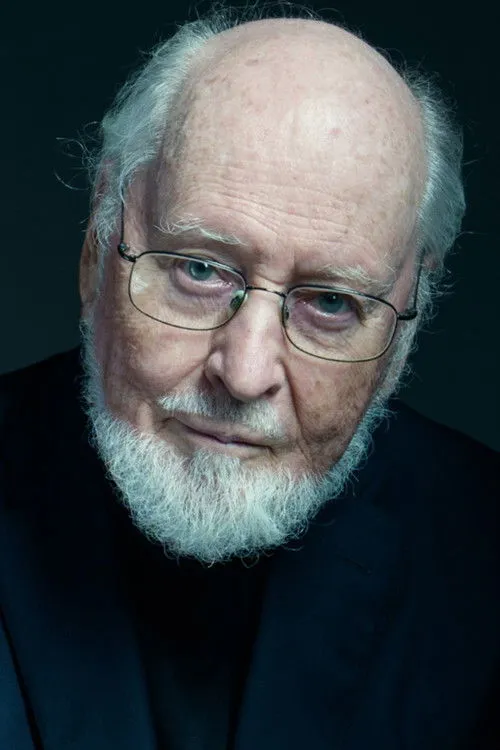
Age: 79
male
Howard Leslie Shore (born October 18, 1946) is a Canadian composer, conductor and orchestrator noted for his film scores. He has composed the scores for over 80 films, most notably for The Lord of the Rings and The Hobbit film trilogies. He won three Academy Awards for his work on The Lord of the Rings, one for the song "Into the West", an award he shared with Eurythmics lead vocalist Annie Lennox and writer/producer Fran Walsh, who wrote the lyrics. He consistently collaborates with director David Cronenberg, having scored all but one of his films since 1979, and collaborated with Martin Scorsese on six of his films. Shore has also composed concert works including one opera, The Fly, based on the plot of Cronenberg's 1986 film, which premiered at the Théâtre du Châtelet in Paris on July 2, 2008; a short piece named Fanfare for the Wanamaker Organ and the Philadelphia Orchestra; and a short overture for the Swiss 21st Century Symphony Orchestra. Shore has also composed for television, including serving as the original musical director for the American sketch comedy show Saturday Night Live from 1975 to 1980. In addition to his three Oscars, Shore has won three Golden Globe Awards, four Grammy Awards, three Genie Awards, and nine Canadian Screen Awards. Description above from the Wikipedia article Howard Shore, licensed under CC-BY-SA, full list of contributors on Wikipedia.
Howard Shore

Composer
for Composer in World War II: The War in the Europe
Suggested by deadalusae

World War II was the most devastating and bloody military conflict in human history. It ran from 1939 to 1945 and was attended by most of the world's countries. In total, the this conflict has claimed more than 70 million victims on lives. 2025 marks 80 years since the end of this devastating war. Let us therefore recall the events that took place during it. The heroism of the allies who fought on all fronts for freedom against the Axis countries. It all began on 1 September 1939, when Nazi Germany invaded Poland. The fall of France followed. The Battle of Britain and the invasion of the Soviet Union in 1941. For Europe, everything looked hopeless because the Nazis occupied almost all of Europe. But then the Battle of Staligrad came and the war turned. The Soviets had defended Moscow, and after the Battle of Kursk it was clear that the eastern front was lost to the for Germans. In 1944, the Western Front was open. Allied forces made a successful landing in Normandy. The Americans, Soviets, British, and other allies gradually liberated Europe from the German occupiers, revealing their heinous crimes. In the end, the last decisive battle for Berlin took place, and Nazi Germany was defeated, ending World War II in Europe. These historical events included a number of personal stories of ordinary soldiers and civilians who were fully experiencing the horrors of World War II.