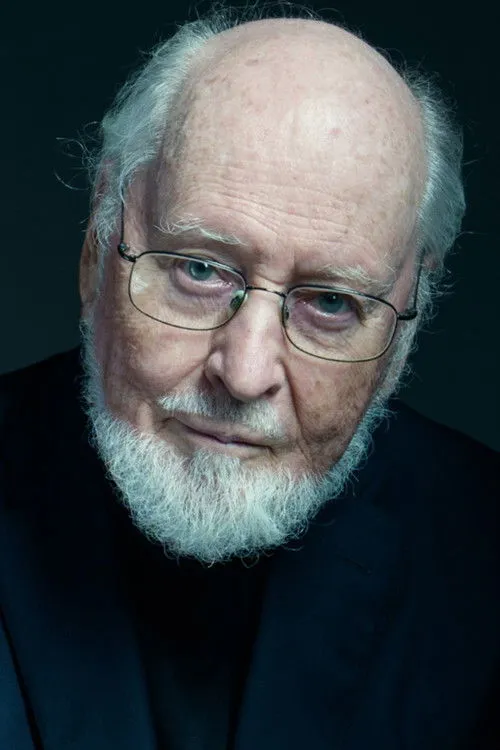
Age: 69
male
Hans Florian Zimmer (born 12 September 1957) is a German film score composer and music producer. He has won two Oscars, four Grammys, and has been nominated for three Emmys and a Tony. Zimmer was also named on the list of Top 100 Living Geniuses, published by The Daily Telegraph in 2007. His works are notable for integrating electronic music sounds with traditional orchestral arrangements. Since the 1980s, Zimmer has composed music for over 150 films. He has won two Academy Awards for Best Original Score for The Lion King (1994) and for Dune (2021). His works include Gladiator, The Last Samurai, the Pirates of the Caribbean series, The Dark Knight trilogy, Inception, Man of Steel, Interstellar, Dunkirk, No Time to Die, and the Dune series. Zimmer spent the early part of his career in the United Kingdom before moving to the United States. He is the head of the film music division at DreamWorks Pictures and DreamWorks Animation studios and works with other composers through the company that he founded, Remote Control Productions, formerly known as Media Ventures. His studio in Santa Monica, California, has an extensive range of computer equipment and keyboards, allowing demo versions of film scores to be created quickly. Zimmer has collaborated on multiple projects with directors including Christopher Nolan, Ridley Scott, Ron Howard, Gore Verbinski, Michael Bay, Guy Ritchie, Denis Villeneuve, and Tony Scott. Description above from the Wikipedia article Hans Zimmer, licensed under CC-BY-SA, full list of contributors on Wikipedia.
Hans Zimmer

Composer
for Composer in World War II: The War in the Europe
Suggested by darksith

World War II was the most devastating and bloody military conflict in human history. It ran from 1939 to 1945 and was attended by most of the world's countries. In total, the this conflict has claimed more than 70 million victims on lives. 2025 marks 80 years since the end of this devastating war. Let us therefore recall the events that took place during it. The heroism of the allies who fought on all fronts for freedom against the Axis countries. It all began on 1 September 1939, when Nazi Germany invaded Poland. The fall of France followed. The Battle of Britain and the invasion of the Soviet Union in 1941. For Europe, everything looked hopeless because the Nazis occupied almost all of Europe. But then the Battle of Staligrad came and the war turned. The Soviets had defended Moscow, and after the Battle of Kursk it was clear that the eastern front was lost to the for Germans. In 1944, the Western Front was open. Allied forces made a successful landing in Normandy. The Americans, Soviets, British, and other allies gradually liberated Europe from the German occupiers, revealing their heinous crimes. In the end, the last decisive battle for Berlin took place, and Nazi Germany was defeated, ending World War II in Europe. These historical events included a number of personal stories of ordinary soldiers and civilians who were fully experiencing the horrors of World War II.