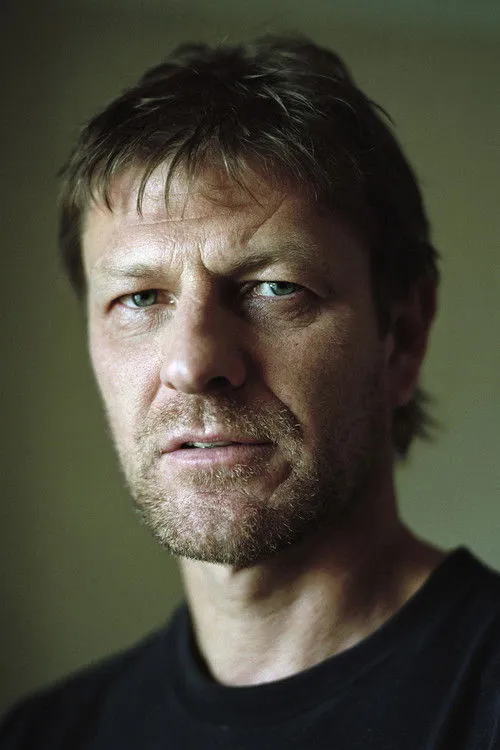
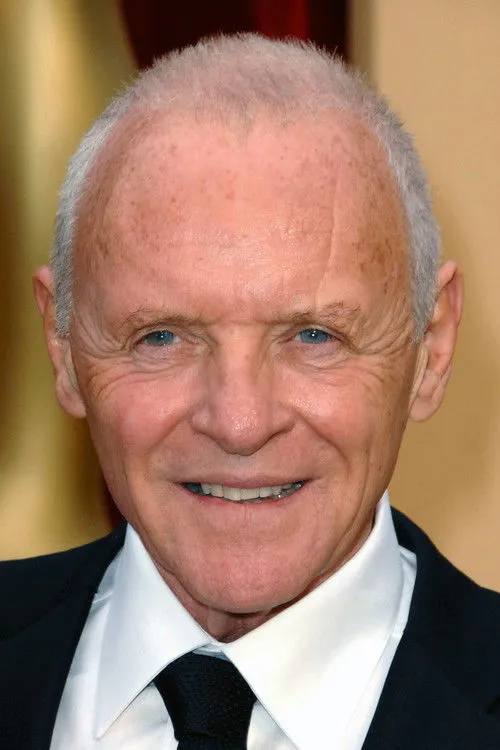
Age: 71
male
William James "Willem" Dafoe (born July 22, 1955) is an American actor. Known for his prolific career portraying diverse roles in both mainstream and arthouse films, he is the recipient of various accolades, including the Volpi Cup for Best Actor as well as nominations for four Academy Awards, a BAFTA Award, four Golden Globe Awards, four Critics' Choice Movie Awards, and five Screen Actors Guild Awards. He has frequently collaborated with filmmakers Paul Schrader, Abel Ferrara, Lars von Trier, Julian Schnabel, Wes Anderson, and Robert Eggers. Dafoe was a founding member of experimental theatre company The Wooster Group. He made his film debut with an uncredited role in Heaven's Gate (1980). Dafoe's early career includes credits for The Loveless (1982), Streets of Fire (1984), and To Live and Die in L.A. (1985). He earned his first Academy Award nomination for the war drama Platoon (1986), followed by nominations for his roles in Shadow of the Vampire (2000), The Florida Project (2017), and the Vincent van Gogh biopic At Eternity's Gate (2018). He also gained acclaim and wide recognition for his roles as Jesus Christ in The Last Temptation of Christ (1988) and as the supervillain Norman Osborn in the superhero film Spider-Man (2002), a role he reprised in its sequels Spider-Man 2 (2004) and Spider-Man 3 (2007), and the Marvel Cinematic Universe film Spider-Man: No Way Home (2021). His other film appearance include roles in Mississippi Burning (1988), Born on the Fourth of July (1989), Wild at Heart (1990), Light Sleeper (1992), Body of Evidence (1993), Clear and Present Danger (1994), The English Patient (1996), Affliction (1997), New Rose Hotel(1998), Existenz (1999), The Boondock Saints (1999), American Psycho (2000), Auto Focus (2002), Finding Nemo (2003), The Life Aquatic with Steve Zissou (2004), Inside Man (2006), Mr. Bean's Holiday (2007), Antichrist (2009), Fantastic Mr. Fox (2009), Nymphomaniac (2013), The Fault in Our Stars (2014), John Wick (2014), The Grand Budapest Hotel (2014), Aquaman (2018), The Lighthouse (2019), Nightmare Alley (2021), Poor Things (2023), and Beetlejuice Beetlejuice (2024).

The Tempest is a play by William Shakespeare, probably written in 1610–1611, and thought to be one of the last plays that Shakespeare wrote alone. After the first scene, which takes place on a ship at sea during a tempest, the rest of the story is set on a remote island, where the sorcerer Prospero, a complex and contradictory character, lives with his daughter Miranda, and his two servants—Caliban, a savage monster figure, and Ariel, an airy spirit. The play contains music and songs that evoke the spirit of enchantment on the island. It explores many themes, including magic, betrayal, revenge, and family. In Act IV, a wedding masque serves as a play-within-the play, and contributes spectacle, allegory, and elevated language. Though The Tempest is listed in the First Folio as the first of Shakespeare's comedies, it deals with both tragic and comic themes, and modern criticism has created a category of romance for this and others of Shakespeare's late plays. The Tempest has been put to varied interpretations—from those that see it as a fable of art and creation, with Prospero representing Shakespeare, and Prospero's renunciation of magic signaling Shakespeare's farewell to the stage, to interpretations that consider it an allegory of Europeans colonizing foreign lands.