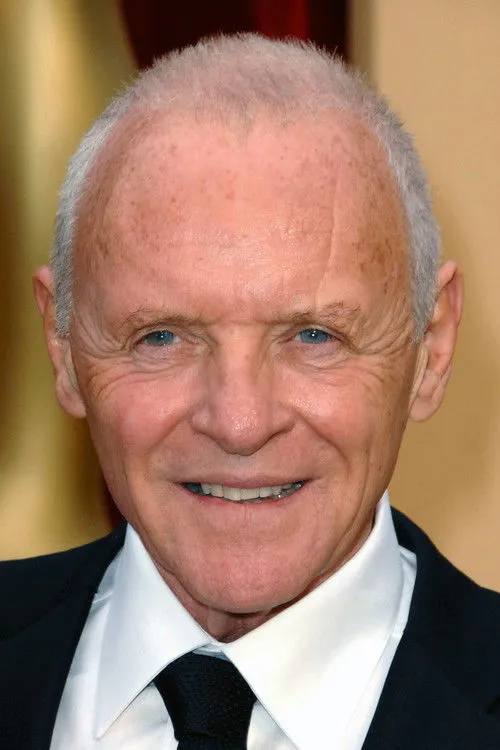
Age: 67
male
Shaun Mark Bean (born 17 April 1959) is an English actor. After graduating from the Royal Academy of Dramatic Art, Bean made his professional debut in a theatre production of Romeo and Juliet in 1983. Retaining his Yorkshire accent, he first found mainstream success for his portrayal of Richard Sharpe in the ITV series Sharpe, which originally ran from 1993 to 1997. Bean's film roles include Patriot Games (1992), GoldenEye (1995), Ronin (1998), Don't Say a Word (2001), The Lord of the Rings trilogy (2001–2003), Equilibrium (2002), National Treasure (2004), Troy (2004), Flightplan (2005), North Country (2005), The Island (2005), Silent Hill (2006), Percy Jackson & the Olympians: The Lightning Thief (2010), Black Death (2010), Jupiter Ascending (2015), and The Martian (2015). His television roles include the BBC anthology series Accused, Broken, Game of Thrones, and the ITV historical drama series Henry VIII and Legends. As a voice actor, Bean has been featured in the video games The Elder Scrolls IV: Oblivion, Sid Meier's Civilization VI, and the feature films Wolfwalkers and Mummies among others. Bean has also been the main voice over for O2 and their adverts for over 20 years having originally taken the job in 2002. In 2022, Bean won the British Academy Television Award as Leading Actor in Time, a BBC One drama.

The Tempest is a play by William Shakespeare, probably written in 1610–1611, and thought to be one of the last plays that Shakespeare wrote alone. After the first scene, which takes place on a ship at sea during a tempest, the rest of the story is set on a remote island, where the sorcerer Prospero, a complex and contradictory character, lives with his daughter Miranda, and his two servants—Caliban, a savage monster figure, and Ariel, an airy spirit. The play contains music and songs that evoke the spirit of enchantment on the island. It explores many themes, including magic, betrayal, revenge, and family. In Act IV, a wedding masque serves as a play-within-the play, and contributes spectacle, allegory, and elevated language. Though The Tempest is listed in the First Folio as the first of Shakespeare's comedies, it deals with both tragic and comic themes, and modern criticism has created a category of romance for this and others of Shakespeare's late plays. The Tempest has been put to varied interpretations—from those that see it as a fable of art and creation, with Prospero representing Shakespeare, and Prospero's renunciation of magic signaling Shakespeare's farewell to the stage, to interpretations that consider it an allegory of Europeans colonizing foreign lands.