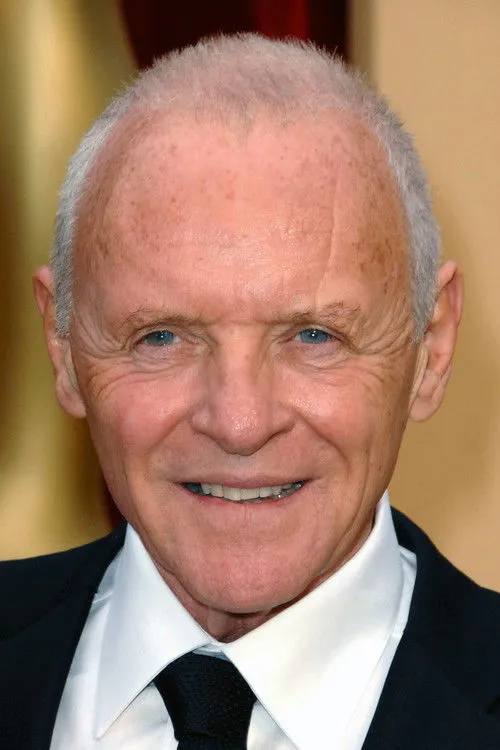
Age: 79
male
Walter Charles Dance OBE (born 10 October 1946) is an English actor, screenwriter, and director. He typically plays strict, authoritarian characters or villains. He is best known for his roles as Tywin Lannister in Game of Thrones, Kitchener in The King's Man, Martin Benson in Amazon Prime's The Widow, Lord Mountbatten in Netflix's The Crown (for which he was nominated for a Primetime Emmy Award for Outstanding Guest Actor in a Drama Series), Thomas in Underworld: Awakening and Underworld: Blood Wars, Harold Fillmore in Ghostbusters (2016), Mr. Bennet in Pride and Prejudice and Zombies, Frankenstein in Victor Frankenstein, Master Vampire in Dracula Untold, Conrad Knox in the Cinemax series Strike Back, Raymond Stockbridge in Gosford Park, one-eyed hitman Benedict in Last Action Hero, Clemens in Alien³, Sardo Numpsa in The Golden Child, and Guy Perron in The Jewel in the Crown. He started his career on stage with the Royal Shakespeare Company (RSC) before appearing in film and television. For his services to drama, he was appointed an Officer of the Order of the British Empire (OBE) by Queen Elizabeth II in 2006. He made his directorial film debut with the drama film Ladies in Lavender (2004), which he also wrote and executive produced.

The Tempest is a play by William Shakespeare, probably written in 1610–1611, and thought to be one of the last plays that Shakespeare wrote alone. After the first scene, which takes place on a ship at sea during a tempest, the rest of the story is set on a remote island, where the sorcerer Prospero, a complex and contradictory character, lives with his daughter Miranda, and his two servants—Caliban, a savage monster figure, and Ariel, an airy spirit. The play contains music and songs that evoke the spirit of enchantment on the island. It explores many themes, including magic, betrayal, revenge, and family. In Act IV, a wedding masque serves as a play-within-the play, and contributes spectacle, allegory, and elevated language. Though The Tempest is listed in the First Folio as the first of Shakespeare's comedies, it deals with both tragic and comic themes, and modern criticism has created a category of romance for this and others of Shakespeare's late plays. The Tempest has been put to varied interpretations—from those that see it as a fable of art and creation, with Prospero representing Shakespeare, and Prospero's renunciation of magic signaling Shakespeare's farewell to the stage, to interpretations that consider it an allegory of Europeans colonizing foreign lands.