Died at 95
male
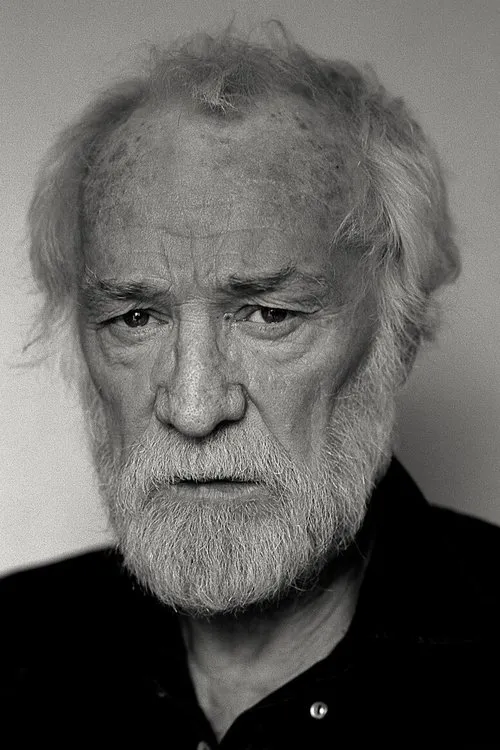
Richard St John Francis Harris (October 1, 1930 – October 25, 2002) was an Irish actor and singer. He appeared on stage and in many films, notably as Corrado Zeller in Michelangelo Antonioni's Red Desert, Frank Machin in This Sporting Life, for which he was nominated for the Academy Award for Best Actor, and as King Arthur in the 1967 film Camelot, as well as the 1981 revival of the stage musical. He played an English aristocrat captured by the Sioux in A Man Called Horse (1970), Oliver Cromwell in Cromwell (1970), an embattled Irish farmer in Jim Sheridan's The Field (which earned him a second Academy Award nomination for Best Actor), English Bob in Clint Eastwood's revisionist Western Unforgiven (1992), Roman emperor Marcus Aurelius in Gladiator (2000), The Count of Monte Cristo (2002) as Abbé Faria, and Albus Dumbledore in the first two Harry Potter films: Harry Potter and the Philosopher's Stone (2001) and Harry Potter and the Chamber of Secrets (2002), the latter of which was his final film role. Harris had a number-one singing hit in Australia, Jamaica and Canada, and a top-ten hit in the United Kingdom, Ireland, and the United States with his 1968 recording of Jimmy Webb's song "MacArthur Park". In 2020, he was listed at number 3 on The Irish Times's list of Ireland's greatest film actors.

The Tempest is a play by William Shakespeare, probably written in 1610–1611, and thought to be one of the last plays that Shakespeare wrote alone. After the first scene, which takes place on a ship at sea during a tempest, the rest of the story is set on a remote island, where the sorcerer Prospero, a complex and contradictory character, lives with his daughter Miranda, and his two servants—Caliban, a savage monster figure, and Ariel, an airy spirit. The play contains music and songs that evoke the spirit of enchantment on the island. It explores many themes, including magic, betrayal, revenge, and family. In Act IV, a wedding masque serves as a play-within-the play, and contributes spectacle, allegory, and elevated language. Though The Tempest is listed in the First Folio as the first of Shakespeare's comedies, it deals with both tragic and comic themes, and modern criticism has created a category of romance for this and others of Shakespeare's late plays. The Tempest has been put to varied interpretations—from those that see it as a fable of art and creation, with Prospero representing Shakespeare, and Prospero's renunciation of magic signaling Shakespeare's farewell to the stage, to interpretations that consider it an allegory of Europeans colonizing foreign lands.