Age: 84
male
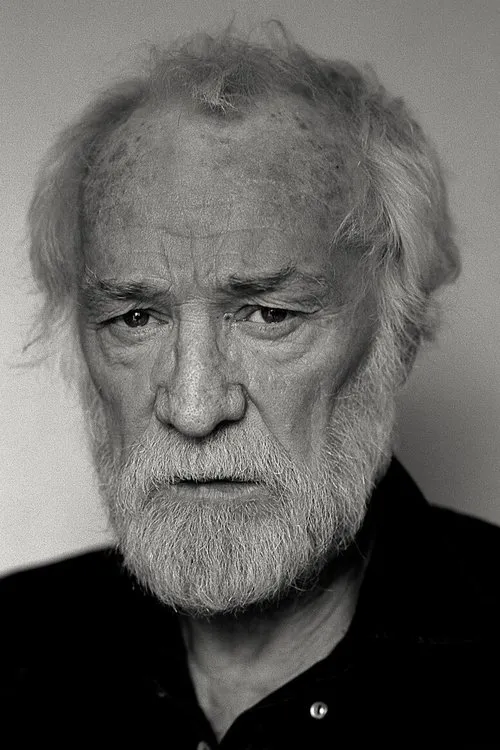
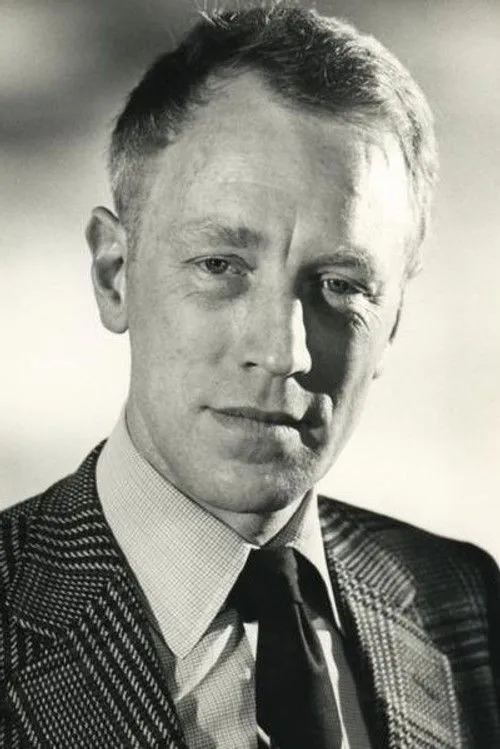
Ian David McShane (born 29 September 1942) is a English actor. His television performances include the title role in the BBC series Lovejoy (1986–1994), Al Swearengen in Deadwood (2004–2006) and its 2019 film continuation, and Mr. Wednesday in American Gods (2017–2021). For the original series of Deadwood, McShane won the Golden Globe Award for Best Actor – Television Series Drama and received a nomination for the Primetime Emmy Award for Outstanding Lead Actor in a Drama Series. As a producer of the film, he was nominated for the Primetime Emmy Award for Outstanding Television Movie. His film roles include Harry Brown in The Wild and the Willing (1962), Charlie Cartwright in If It's Tuesday, This Must Be Belgium (1969), Wolfe Lissner in Villain (1971), Teddy Bass in Sexy Beast (2000), Frank Powell in Hot Rod (2007), Blackbeard in Pirates of the Caribbean: On Stranger Tides (2011), and Winston Scott in the John Wick franchise (2014–present). Description above from the Wikipedia article Ian McShane, licensed under CC-BY-SA, full list of contributors on Wikipedia.

The Tempest is a play by William Shakespeare, probably written in 1610–1611, and thought to be one of the last plays that Shakespeare wrote alone. After the first scene, which takes place on a ship at sea during a tempest, the rest of the story is set on a remote island, where the sorcerer Prospero, a complex and contradictory character, lives with his daughter Miranda, and his two servants—Caliban, a savage monster figure, and Ariel, an airy spirit. The play contains music and songs that evoke the spirit of enchantment on the island. It explores many themes, including magic, betrayal, revenge, and family. In Act IV, a wedding masque serves as a play-within-the play, and contributes spectacle, allegory, and elevated language. Though The Tempest is listed in the First Folio as the first of Shakespeare's comedies, it deals with both tragic and comic themes, and modern criticism has created a category of romance for this and others of Shakespeare's late plays. The Tempest has been put to varied interpretations—from those that see it as a fable of art and creation, with Prospero representing Shakespeare, and Prospero's renunciation of magic signaling Shakespeare's farewell to the stage, to interpretations that consider it an allegory of Europeans colonizing foreign lands.