Age: 79
male
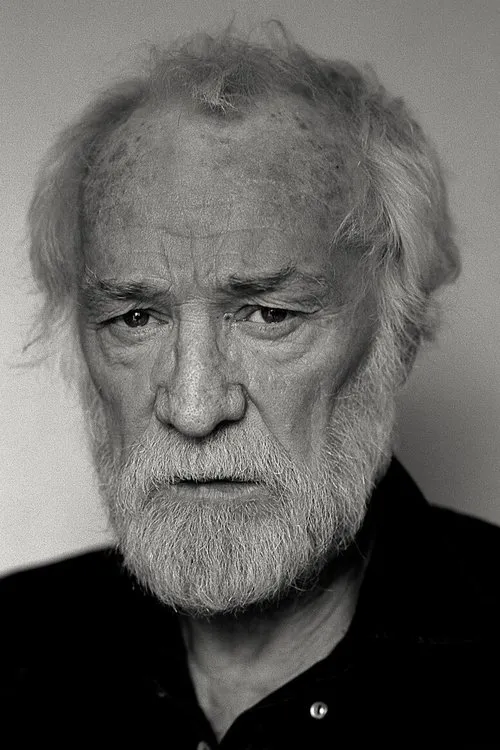
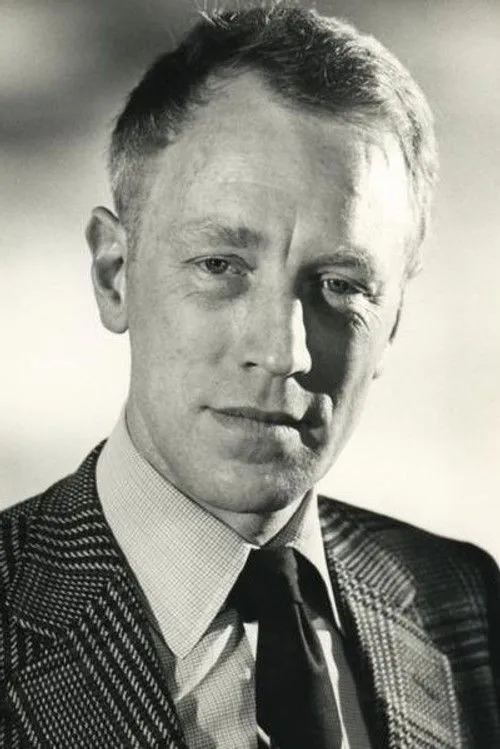
Jonathan Pryce, CBE (born June 1, 1947) is a Welsh stage and film actor and singer. He earned an Academy Award nomination for his performance in the 2019 film "The Two Popes." After studying at the Royal Academy of Dramatic Art and meeting his long time partner, English actress Kate Fahy, in 1974, he began his career as a stage actor in the 1970s. His work in theatre, including an award-winning performance in the title role of the Royal Court Theatre's "Hamlet", led to several supporting roles in film and television. He made his breakthrough screen performance in Terry Gilliam's 1985 cult film "Brazil". Critically lauded for his versatility, Pryce has participated in big-budget films such as "Evita", "Tomorrow Never Dies", "Pirates of the Caribbean" and "The New World", as well as independent projects such as "Glengarry Glen Ross" and "Carrington". His career in theatre has also been prolific, and he has won two Tony Awards—the first in 1977 for his Broadway debut in "Comedians", the second for his 1991 role as "The Engineer" in the musical "Miss Saigon".

The Tempest is a play by William Shakespeare, probably written in 1610–1611, and thought to be one of the last plays that Shakespeare wrote alone. After the first scene, which takes place on a ship at sea during a tempest, the rest of the story is set on a remote island, where the sorcerer Prospero, a complex and contradictory character, lives with his daughter Miranda, and his two servants—Caliban, a savage monster figure, and Ariel, an airy spirit. The play contains music and songs that evoke the spirit of enchantment on the island. It explores many themes, including magic, betrayal, revenge, and family. In Act IV, a wedding masque serves as a play-within-the play, and contributes spectacle, allegory, and elevated language. Though The Tempest is listed in the First Folio as the first of Shakespeare's comedies, it deals with both tragic and comic themes, and modern criticism has created a category of romance for this and others of Shakespeare's late plays. The Tempest has been put to varied interpretations—from those that see it as a fable of art and creation, with Prospero representing Shakespeare, and Prospero's renunciation of magic signaling Shakespeare's farewell to the stage, to interpretations that consider it an allegory of Europeans colonizing foreign lands.