
Age: 58
male
Michael Giacchino (/dʒəˈkiːnoʊ/ jə-KEE-noh; Italian: [dʒakˈkiːno]; born October 10, 1967) is an American film, television, and video game score composer. He has received many accolades for his work, including an Academy Award for Up (2009), an Emmy for Lost (2004), and three Grammy Awards. Giacchino is known for his collaborations with directors J. J. Abrams, Brad Bird, Matt Reeves, Pete Docter, Colin Trevorrow, Jon Watts, Gareth Edwards, Drew Goddard, J. A. Bayona, The Wachowskis, Taika Waititi, and Thomas Bezucha. His film scores include several films from the Mission: Impossible, Jurassic World, Marvel Cinematic Universe, Star Trek reboot series, eight Pixar Animation Studios films, multiple Disney films, Rogue One, The Batman, and several other films. He also composed the score for the video game series Medal of Honour and Call of Duty and the television series Alias, Lost, and Fringe. In 2018, he ventured into directing and, in 2022, directed the Marvel Studios Disney+ special Werewolf by Night. Description above from the Wikipedia article Michael Giacchino, licensed under CC-BY-SA, full list of contributors on Wikipedia.
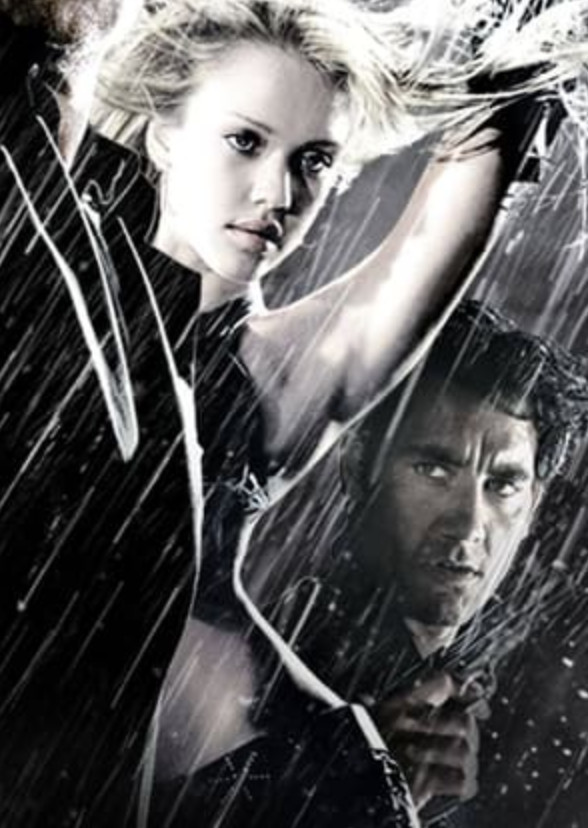
When a famed socialite daughter of a wealthy family is abducted, her family and the media are scrambling to locate her. While in captivity, she realizes that many other girls are missing as the same time, but the media and public never called for their rescue- and she has to rescue them and herself while seeking justice for the other victims and finding the dark truth. This film is a satire of rescue-the-girl action thrillers such as Taken, Man on Fire, The Call, or any action thriller with Liam Neeson or Nicolas Cage. Much like in real-life high-profile abduction cases, these movies often fall with the trope of missing white woman syndrome- the vast majority of these movies have victims that are white, blonde, wealthy, and innocent- while victims who are people of color and/or poor are often left in the shadows. This film will instead be a psychological neo-noir thriller focusing on the victim's point of view rather than that of the rescuer, in addition to being filmed in black-and-white a la Sin City.




