Sailor Moon, (Known in Japan as having "Pretty Warrior (美少女戦士, Bishōjo Senshi)" written as a prefix - Pretty Warrior Sailor Moon (Japanese: 美少女戦士セーラームーン, Hepburn: Bishōjo Senshi Sērā Mūn)) is a 1992 Japanese superheroine anime television series produced by Toei Animation using Super Sentai motifs. It is based on the manga of the same title written by Naoko Takeuchi that was published from 1991 to 1997 in Nakayoshi. Sailor Moon first aired in Japan on TV Asahi from March 7th, 1992 to February 8th, 1997, and was dubbed into various territories around the world, including the United States, South East Asia, Greater China, Australia, Europe and Latin America. The series follows the adventures of the titular protagonist whose civilian name is Usagi Tsukino, a middle school student who is given the power to become the Pretty Warrior. Joined by other Sailor Soldiers, she defends Earth against an assortment of evil villains. The anime also parallels the maturation of Usagi from an emotional middle school girl to a responsible young adult. Due to the success of the anime in the United States, the manga comprising its story was released by Tokyopop. Sailor Moon's popularity has spawned numerous releases which have come to represent most of the content in the Sailor Moon universe, including 3 films, 39 video games, and numerous soundtracks stemming from this material. A second animated adaptation, Sailor Moon Crystal, began streaming worldwide from July 2014 onwards.
Sailor Moon

Disney's Dreamers
for Disney's Dreamers in Spiritual Successor
Suggested by toonking1985
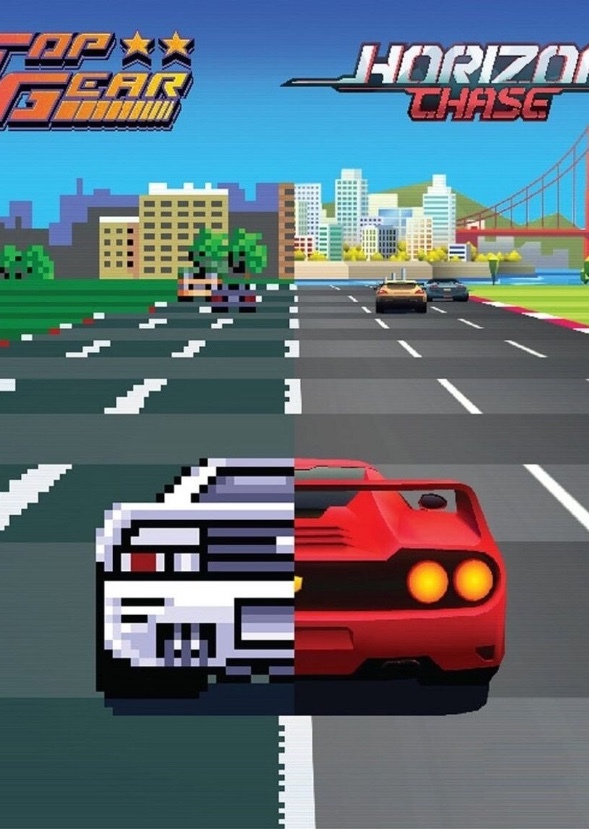
A spiritual successor is a type of follow-up work that isn’t directly connected to the original story or universe, but still carries forward its essence through similar themes, style, and ideas—essentially acting as a sequel “in spirit.” Creators may do this for many reasons: to pay homage while avoiding legal ties, to continue exploring familiar creative ground without risking a direct sequel, or simply because their artistic voice naturally echoes past work. This concept appears across many forms of media, though it’s especially common in video games, where developers may retain the tools and design philosophy of a past project even if they no longer hold the rights to its name or characters. A related concept is the spiritual adaptation, where a work in one medium closely mirrors the tone and structure of another, almost feeling like an unofficial adaptation. Spiritual successors can sometimes feel like rebranded continuations of ideas from older or discontinued franchises, effectively serving as a kind of creative reincarnation. They often overlap with ideas like unofficial counterparts or heavily inspired works, and can even share the same creative teams. While they celebrate and evolve what came before, they stand apart as independent creations, occasionally even contrasting with or redefining the works that inspired them.