Kilala Princess, known in Japan as Disney's Kirara Princess,[a] is a shōjo fantasy, romance, and adventure manga series written by Rika Tanaka and illustrated by Nao Kodaka. The first 15 chapters were serialized by Kōdansha in the monthly manga magazine Nakayoshi, while the last 8 chapters were serialized in the quarterly Nakayoshi Lovely. It was later collected in five bound volumes (volumes 1–3 containing the Nakayoshi chapters and volumes 4–5 containing the Nakayoshi Lovely chapters).[6][7][8][9][10] It is about a young girl named Kilala and a lost Prince named Rei who join together to find the "7th Princess" and save the kingdom of Paradiso. However, Kilala is not mentioned as a relevant member of the princesses in other later media including Kingdom Hearts series, Sofia the First or Ralph Breaks the Internet. The series is licensed in English by Tokyopop in North America and Chuang Yi in Singapore. The first volume in English was printed in January 2007. Tokyopop has released Volume 1 and 2, but has split them into "Manga Minis," meaning the two volumes were split into four. Tokyopop's Volume 4 was released on December 2007 and no further volumes have been released since. Tokyopop's license to Kilala Princess expired for a time, but they have since reclaimed the series and rerelease began in July 2016.[11] Kilala Princess 2 began in July 2019.[12]
Kilala Princess

Disney's Dreamers
for Disney's Dreamers in Spiritual Successor
Suggested by toonking1985
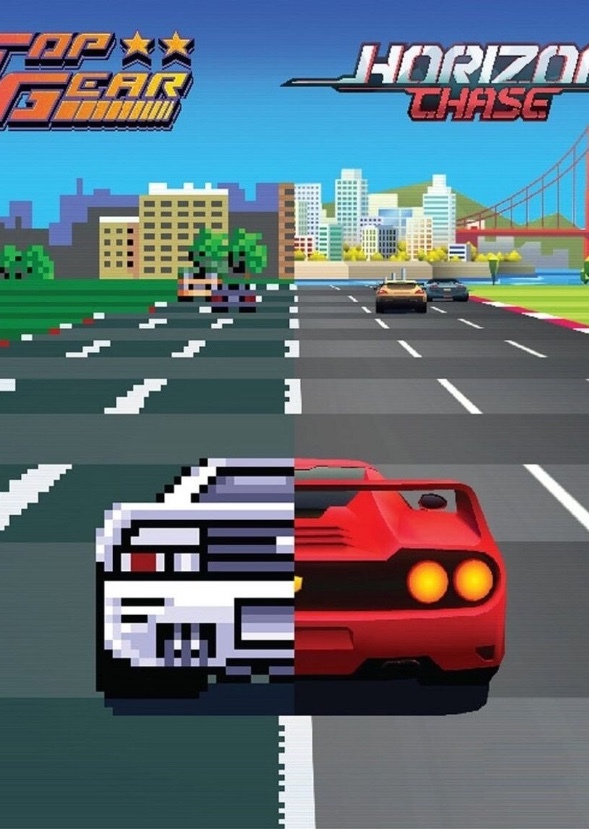
A spiritual successor is a type of follow-up work that isn’t directly connected to the original story or universe, but still carries forward its essence through similar themes, style, and ideas—essentially acting as a sequel “in spirit.” Creators may do this for many reasons: to pay homage while avoiding legal ties, to continue exploring familiar creative ground without risking a direct sequel, or simply because their artistic voice naturally echoes past work. This concept appears across many forms of media, though it’s especially common in video games, where developers may retain the tools and design philosophy of a past project even if they no longer hold the rights to its name or characters. A related concept is the spiritual adaptation, where a work in one medium closely mirrors the tone and structure of another, almost feeling like an unofficial adaptation. Spiritual successors can sometimes feel like rebranded continuations of ideas from older or discontinued franchises, effectively serving as a kind of creative reincarnation. They often overlap with ideas like unofficial counterparts or heavily inspired works, and can even share the same creative teams. While they celebrate and evolve what came before, they stand apart as independent creations, occasionally even contrasting with or redefining the works that inspired them.