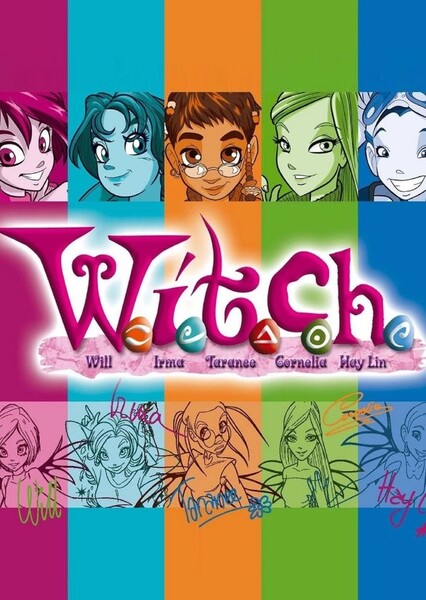
Tokyo Mew Mew (Japanese: 東京ミュウミュウ, Hepburn: Tōkyō Myū Myū) is a Japanese manga series written by Reiko Yoshida and illustrated by Mia Ikumi. It was originally serialized in Kodansha's shōjo manga magazine Nakayoshi from September 2000 to February 2003, with its chapters collected in seven tankōbon volumes by Kodansha. It focuses on five girls infused with the DNA of endangered animals which gives them special powers and allows them to transform into "Mew Mews". Led by Ichigo Momomiya, the girls protect the earth from aliens who wish to "reclaim" it. The series was adapted into a 52 episode anime series by Studio Pierrot. It debuted in Japan on February 3, 2002, on both TV Aichi and TV Tokyo; the final episode aired on March 29, 2003. A two-volume sequel to the manga, Tokyo Mew Mew à la Mode, was serialized in Nakayoshi from February 2002 to January 2003. The sequel introduces a new Mew Mew, Berry Shirayuki (meaning "White Snow Berry"), who becomes the temporary leader of the Mew Mews, while Ichigo (meaning "Strawberry") is on a trip to England. Two video games were also created for the series: a puzzle adventure game for the Game Boy Advance system and a role-playing video game for the PlayStation. Tokyopop originally licensed the manga series for English-language publication in North America and released the complete original series as well as the sequel, with Kodansha Comics planning to re-publish the series with a new translation in September 2011. 4Kids Entertainment licensed the anime series for North American broadcast under the name Mew Mew Power. Heavily edited and dubbed, 23 episodes of Mew Mew Power aired on 4Kids TV in the United States while 26 episodes aired on YTV in Canada. 4Kids Entertainment was unable to license the remaining 26 episodes of the series, thus were unable to complete its broadcast. They have never released the series to home video. Well received by English-language readers, several volumes of the manga series appeared in the Top 50 sales lists for graphic novels in their respective months of release. Critics praised the manga as a cute and entertaining series with free-flowing style and character designs. à la mode received praise as a good continuation of the series, but was also criticized for offering nothing new. The anime adaptation received high ratings while airing in Japan, resulting in numerous marketing tie-ins. Despite criticism for extensive editing that removed most of the Japanese elements, the Mew Mew Power dub became the highest rated 4Kids show during its broadcast. It was licensed for regional release in several other countries instead of the original Japanese series. In 2020, a short 2-chapter sequel was released called Tokyo Mew Mew 2020 Re-Turn which includes all main characters with updated designs. A spinoff, titled Tokyo Mew Mew Olé!, which features a new team of male Mew Mews, was also released. A new anime television series adaptation called Tokyo Mew Mew New is set to premiere in 2022.
Tokyo Mew Mew

Disney's Dreamers
for Disney's Dreamers in Spiritual Successor
Suggested by toonking1985
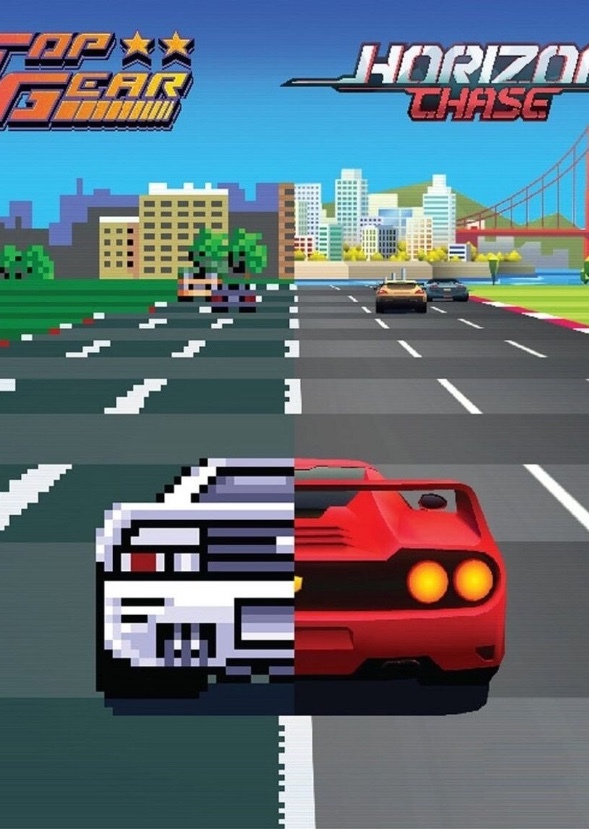
A spiritual successor is a type of follow-up work that isn’t directly connected to the original story or universe, but still carries forward its essence through similar themes, style, and ideas—essentially acting as a sequel “in spirit.” Creators may do this for many reasons: to pay homage while avoiding legal ties, to continue exploring familiar creative ground without risking a direct sequel, or simply because their artistic voice naturally echoes past work. This concept appears across many forms of media, though it’s especially common in video games, where developers may retain the tools and design philosophy of a past project even if they no longer hold the rights to its name or characters. A related concept is the spiritual adaptation, where a work in one medium closely mirrors the tone and structure of another, almost feeling like an unofficial adaptation. Spiritual successors can sometimes feel like rebranded continuations of ideas from older or discontinued franchises, effectively serving as a kind of creative reincarnation. They often overlap with ideas like unofficial counterparts or heavily inspired works, and can even share the same creative teams. While they celebrate and evolve what came before, they stand apart as independent creations, occasionally even contrasting with or redefining the works that inspired them.