Age: 56
male
Sir Steve Rodney McQueen CBE (born 9 October 1969) is an English film director, film producer, screenwriter, and video artist. Known for directing films that deal with intense subject matter, he has received several awards, including an Academy Award, two BAFTA Awards, and a Golden Globe Award. He was honoured with the BFI Fellowship in 2016 and was knighted by Queen Elizabeth II in 2020 for services to art and film. In 2014, he was included in Time magazine's annual Time 100 list of the "most influential people in the world". McQueen began his formal training studying painting at London's Chelsea College of Art and Design. He later pursued film at Goldsmiths College and briefly at New York University. Influenced by Jean Vigo, Jean-Luc Godard, François Truffaut, Ingmar Bergman, and Andy Warhol, McQueen started making short films. In 1999, McQueen was awarded the Turner Prize for the "range" and "emotional intensity" of his art. He made his feature-length directorial debut with the historical drama Hunger (2008), which focused on the 1981 Irish hunger strike, followed by the erotic, psychosexual drama Shame (2011), which explored sex addiction. He won the Academy Award for Best Picture, directing the historical drama 12 Years a Slave (2013). He also directed the contemporary crime thriller Widows (2018) and the World War II drama Blitz (2024). For television, he released Small Axe (2020), a collection of five anthology films "set within London's West Indian community from the late 1960s to the early '80s". He also directed the BBC documentary series Uprising (2021) and the documentary film Occupied City (2023). Description above from the Wikipedia article Steve McQueen (director), licensed under CC-BY-SA, full list of contributors on Wikipedia.
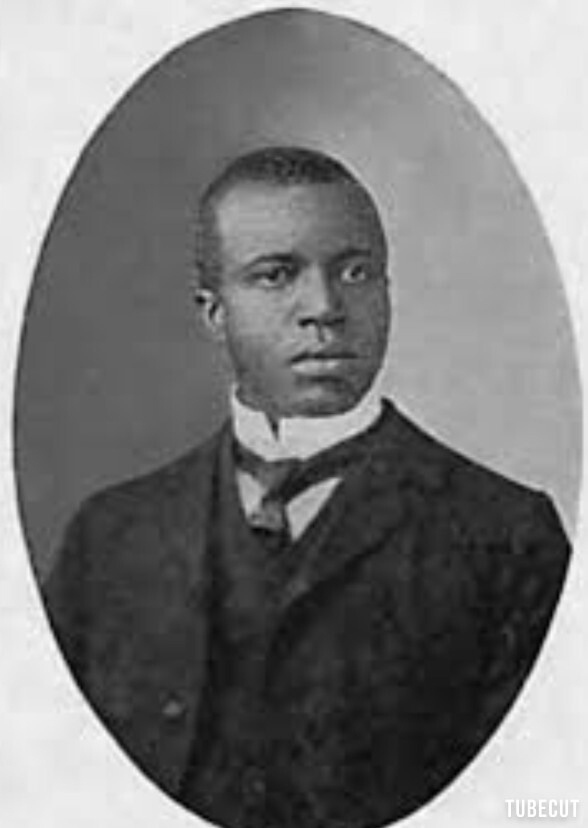
Set in the late 19th and early 20th centuries, Ragtime King follows the highs and lows of Joplin's extraordinary life, highlighting his passionate desire to elevate ragtime to a respected form of classical music. Amid the backdrop of America's complex racial landscape, Joplin faces the challenges of racism, the music industry's indifference, and personal tragedy while attempting to make his mark on history. The series delves into his early years in Texas, where he first encountered music, and his decision to leave home to pursue his dreams in St. Louis and New York. As Joplin struggles to gain recognition, we see his creative genius shine through in his compositions, but also the personal toll of living in an era where Black artists were often relegated to the margins. The story explores his creation of legendary pieces, his determination to have ragtime performed in concert halls rather than saloons, and his struggle to be taken seriously in an era dominated by classical music. The miniseries will also delve into his personal relationships, including his marriages and the emotional strain of being a misunderstood artist. His ambitious opera Treemonisha, often overshadowed by his ragtime hits, is a poignant focal point of the series, illustrating his dedication to pushing the boundaries of what ragtime could be.