
Age: 46
male
Barry Jenkins (born November 19, 1979) is an American filmmaker. After making his filmmaking debut with the short film My Josephine (2003), he directed his first feature film, Medicine for Melancholy (2008), for which he received an Independent Spirit Award nomination for Best First Feature. He is also a creative collaborator and a member of The Chopstars collective. Following an eight-year hiatus from feature filmmaking, Jenkins directed and co-wrote the LGBTQ-themed independent drama Moonlight (2016), which won numerous accolades, including the Academy Award for Best Picture. Jenkins received an Oscar nomination for Best Director and jointly won the Academy Award for Best Adapted Screenplay with Tarell Alvin McCraney. He became the fourth Black person nominated for Best Director and the second to direct a Best Picture winner. He released his third directorial feature If Beale Street Could Talk 2018, to critical praise and earned nominations for his screenplay at the Academy Awards and Golden Globes. He is also known for his work in television. In 2017, Jenkins directed "Chapter V" of the Netflix series Dear White People. In 2021, he created and directed the Amazon Video limited series The Underground Railroad, based on the novel of the same name. The series received a Primetime Emmy Award for Outstanding Directing for a Limited Series or Movie nomination and won a Peabody Award. In 2017, Jenkins was included on the annual Time 100 list of the most influential people in the world. Description above from the Wikipedia article Barry Jenkins, licensed under CC-BY-SA, full list of contributors on Wikipedia.
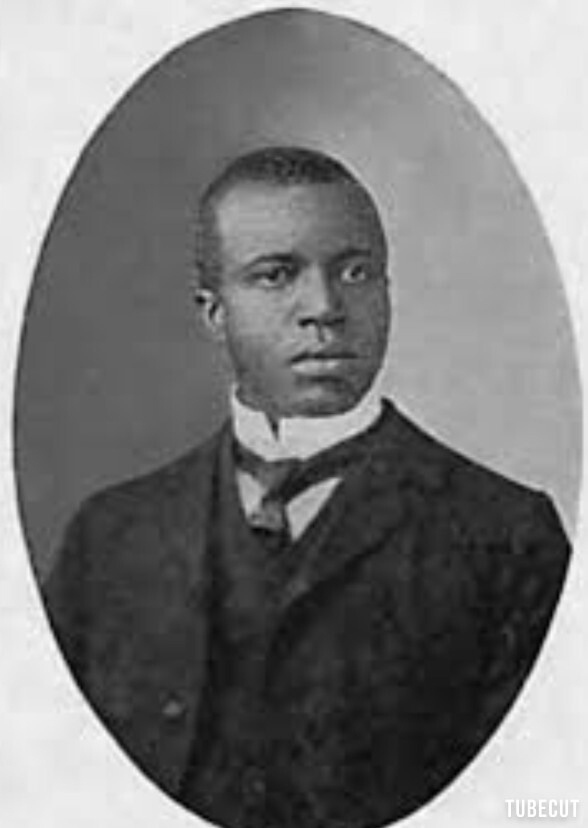
Set in the late 19th and early 20th centuries, Ragtime King follows the highs and lows of Joplin's extraordinary life, highlighting his passionate desire to elevate ragtime to a respected form of classical music. Amid the backdrop of America's complex racial landscape, Joplin faces the challenges of racism, the music industry's indifference, and personal tragedy while attempting to make his mark on history. The series delves into his early years in Texas, where he first encountered music, and his decision to leave home to pursue his dreams in St. Louis and New York. As Joplin struggles to gain recognition, we see his creative genius shine through in his compositions, but also the personal toll of living in an era where Black artists were often relegated to the margins. The story explores his creation of legendary pieces, his determination to have ragtime performed in concert halls rather than saloons, and his struggle to be taken seriously in an era dominated by classical music. The miniseries will also delve into his personal relationships, including his marriages and the emotional strain of being a misunderstood artist. His ambitious opera Treemonisha, often overshadowed by his ragtime hits, is a poignant focal point of the series, illustrating his dedication to pushing the boundaries of what ragtime could be.