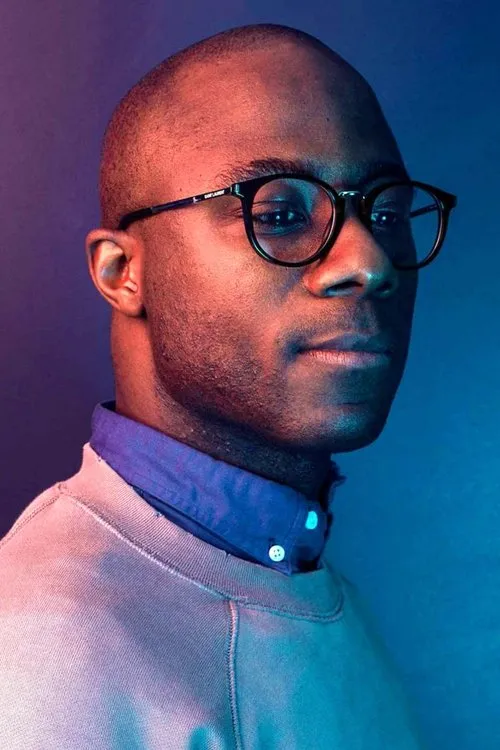
Age: 54
female
Ava Marie DuVernay (/ˌdjuːvərˈneɪ/; born August 24, 1972) is an American filmmaker, screenwriter, and producer. She is a recipient of two Primetime Emmy Awards, two NAACP Image Awards, a BAFTA Film Award, and a BAFTA TV Award, as well as a nominee for an Academy Award and a Golden Globe. In 2011, she founded her independent distribution company ARRAY. After making her directorial debut with I Will Follow (2010), DuVernay won the directing award in the U.S. dramatic competition at the 2012 Sundance Film Festival for her second feature film, Middle of Nowhere, becoming the first black woman to win the award. For her work on Selma (2014), a biopic about Martin Luther King Jr., DuVernay became the first African-American woman to be nominated for a Golden Globe Award for Best Director; the film went on to be nominated for the Academy Award for Best Picture. Her other film credits include the Academy Award-nominated Netflix documentary 13th (2016) and the Disney fantasy film A Wrinkle in Time (2018), the latter making her the first African-American woman to direct a film with a $100 million budget. In 2023, she directed the biographical film Origin based on Isabel Wilkerson's book Caste: The Origins of Our Discontents (2020). DuVernay's television credits include the OWN drama series Queen Sugar (2016) and two Netflix drama limited series: When They See Us (2019), based on the 1989 Central Park jogger case, and Colin in Black & White (2021), based on the teenage years of NFL player Colin Kaepernick. In 2017, DuVernay was included on the annual Time 100 list of the most influential people in the world. In 2020, she was elected to the Academy of Motion Pictures Arts and Sciences board of governors as part of the directors branch. Description above from the Wikipedia article Ava DuVernay, licensed under CC-BY-SA, full list of contributors on Wikipedia.
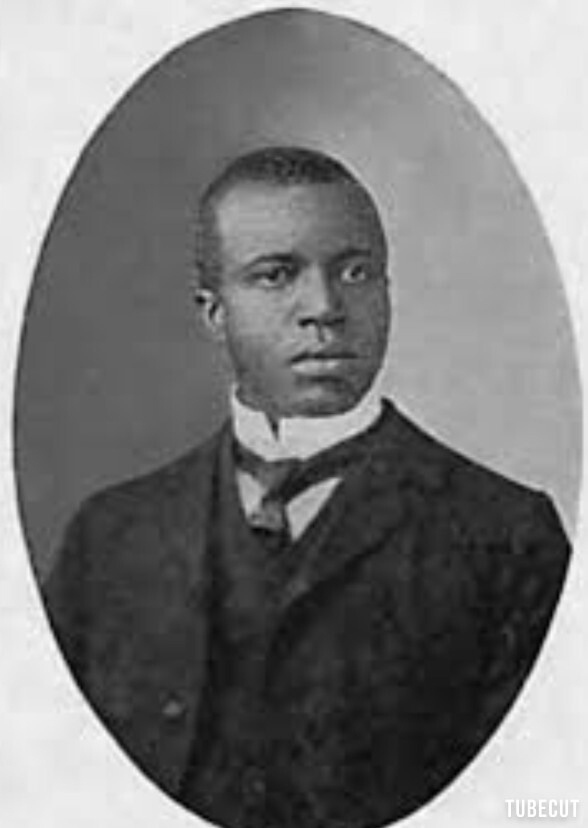
Set in the late 19th and early 20th centuries, Ragtime King follows the highs and lows of Joplin's extraordinary life, highlighting his passionate desire to elevate ragtime to a respected form of classical music. Amid the backdrop of America's complex racial landscape, Joplin faces the challenges of racism, the music industry's indifference, and personal tragedy while attempting to make his mark on history. The series delves into his early years in Texas, where he first encountered music, and his decision to leave home to pursue his dreams in St. Louis and New York. As Joplin struggles to gain recognition, we see his creative genius shine through in his compositions, but also the personal toll of living in an era where Black artists were often relegated to the margins. The story explores his creation of legendary pieces, his determination to have ragtime performed in concert halls rather than saloons, and his struggle to be taken seriously in an era dominated by classical music. The miniseries will also delve into his personal relationships, including his marriages and the emotional strain of being a misunderstood artist. His ambitious opera Treemonisha, often overshadowed by his ragtime hits, is a poignant focal point of the series, illustrating his dedication to pushing the boundaries of what ragtime could be.