
Age: 59
male
Pasha D. Lychnikoff (Russian: Павел Лычникофф) (born February 16, 1967), also credited as Pavel Lychnikoff or Pasha Lychnikoff, is aRussian television, film and theatre actor, who lives and works in the United States. Pasha D. Lychnikoff was born in Moscow, where he later received formal training at the Russian Academy of Theatre Arts (also known as GITIS from 1934 to 1991). In the early 1990s Lychnikoff moved to the United States. Since his subsequent move to Los Angeles, he has appeared in many TV-movies and -series and feature films. He is noted for his roles as the telegraph operator Blazanov in HBO'sDeadwood series and as Russian mobster Vadim Youchenko in the movie Trade. He also appears as Howard Wolowitz's Russian cosmonaut crewmate Dimitri on the popular TV series The Big Bang Theory. Lychnikoff has also made several stage appearances in Russia and the U.S. His self-written play The Shelter, which he also directed, was nominated for the Californian Ovation Award in five categories, and Lychnikoff's performance in it received positive reviews from a number of critics.
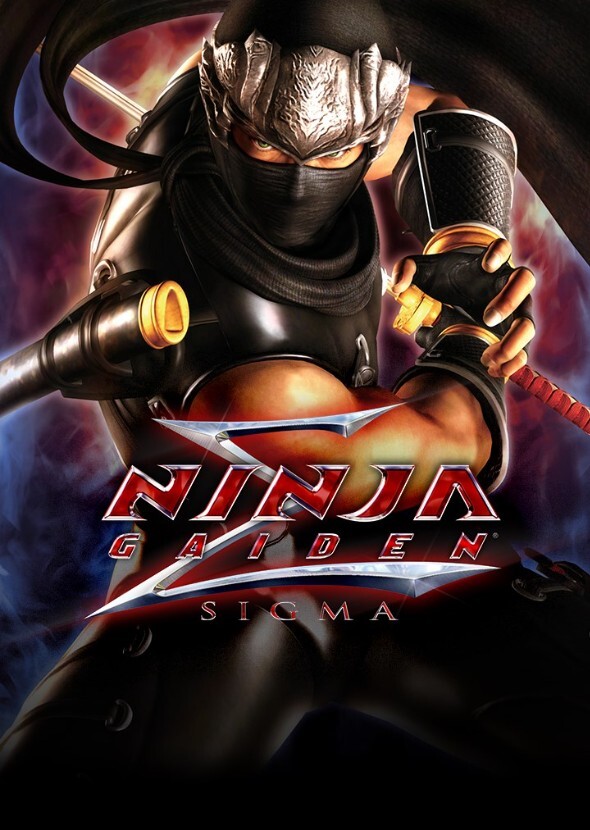
Inspired by the 1980s Ninja Gaiden series for the Nintendo Entertainment System (NES), the 2004 version was originally set in a re-imagined game world based on another Team Ninja creation, the Dead or Alive (DOA) series of fighting games. However, interviews with Tomonobu Itagaki indicate that the Xbox games are standalone prequels to the NES series and that both possibly share a single continuity.[18][19][20] Ninja Gaiden is set in the game world of the Dead or Alive series.[21] Located mainly in Japan and the fictional Western Asian nation of the Vigoor Empire, the game draws on Heian period structures for its Japanese locales—a ninja fortress and village set in the mountains. In contrast the Vigoor Empire, with its capital city of Tairon, is a blend of architectural types from around the world.[14] European-style buildings and the monastery in Tairon exhibits Gothic influences with a vaulted hall, pointed arches, and large stained glass windows. A hidden underground level features statues with the heads of cats, walls covered with carvings, hieroglyphics, Aztec pyramid and a labyrinth.[22] This mix of styles was the result of Itagaki's refusal to constrain the game's creative process.[21]Ninja Gaiden's story spans 16 chapters, each beginning and ending with a cutscene.