
Age: 58
male
Aidan Murphy (born 1967 or 1968), better known as Aidan Gillen (/ˈɡɪlən/), is an Irish actor. He is known for his roles as Stuart Alan Jones in Queer as Folk (1999–2000); Tommy Carcetti in The Wire (2004–2008); John Boy in Love/Hate (2010–2011); Petyr "Littlefinger" Baelish in Game of Thrones (2011–2017), Aberama Gold in Peaky Blinders (2017–2019); as Milo Sunter on Mayor of Kingstown (2021–present); and as Frank Kinsella, in the crime drama Kin (2021–2023). His film roles include CIA operative Bill Wilson in The Dark Knight Rises (2012), Janson in Maze Runner: The Scorch Trials (2015), and John Reid in Bohemian Rhapsody (2018), and several films directed by Jamie Thraves. He has received three Irish Film & Television Awards and has been nominated for a British Academy Television Award, a British Independent Film Award, and a Tony Award. Description above from the Wikipedia article Aidan Murphy, licensed under CC-BY-SA, full list of contributors on Wikipedia.
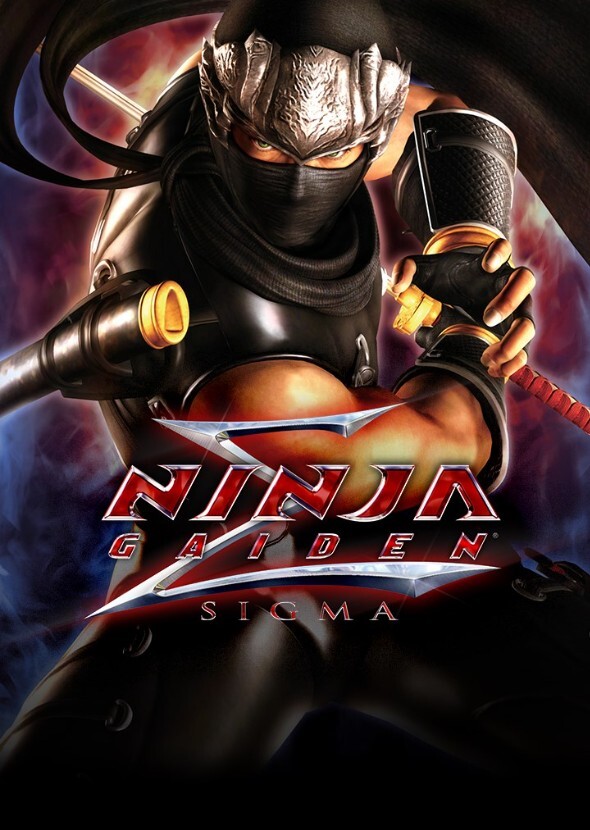
Inspired by the 1980s Ninja Gaiden series for the Nintendo Entertainment System (NES), the 2004 version was originally set in a re-imagined game world based on another Team Ninja creation, the Dead or Alive (DOA) series of fighting games. However, interviews with Tomonobu Itagaki indicate that the Xbox games are standalone prequels to the NES series and that both possibly share a single continuity.[18][19][20] Ninja Gaiden is set in the game world of the Dead or Alive series.[21] Located mainly in Japan and the fictional Western Asian nation of the Vigoor Empire, the game draws on Heian period structures for its Japanese locales—a ninja fortress and village set in the mountains. In contrast the Vigoor Empire, with its capital city of Tairon, is a blend of architectural types from around the world.[14] European-style buildings and the monastery in Tairon exhibits Gothic influences with a vaulted hall, pointed arches, and large stained glass windows. A hidden underground level features statues with the heads of cats, walls covered with carvings, hieroglyphics, Aztec pyramid and a labyrinth.[22] This mix of styles was the result of Itagaki's refusal to constrain the game's creative process.[21]Ninja Gaiden's story spans 16 chapters, each beginning and ending with a cutscene.