Age: 54
male
Goran Višnjić (born September 9, 1972) is a Croatian-born American actor who has appeared in American and British films and TV. He is best known for his role as Dr. Luka Kovač on the hit television series ER. He's also known for his roles as Erik the Red on the Netflix series Vikings: Valhalla, Garcia Flynn on NBC's Timeless, John Woods on CBS's Extant, Marco Costanteon NBC's Crossing Lines, Nicholae Schiller on ABC's Red Widow, Dragan Armansky in The Girl with the Dragon Tattoo (2011), voice of Soto in Ice Age, Jimmy Angelo in Practical Magic, and Bazta Sergeant in The Peacemaker. He grew up in Sibenik, Croatia (then Yugoslavia), a port town on the Adriatic Sea, where he decided at an early age that he wanted to be an actor. He first performed in local theater groups and then entered the Academy of Dramatic Arts in Zagreb. Goran gained popularity in Croatia when, at the age of 21, he was cast as Hamlet in the prestigious Dubrovnik Summer Festival’s staging of Shakespeare’s play. His performance earned him three national Best Actor awards, including an Orlando (the Croatian equivalent of a Tony). He made his American motion-picture debut in the "Welcome to Sarajevo," drama, directed by Michael Winterbottom. In his leisure time, he enjoys fencing, swimming and diving. He lives in Los Angeles with his wife, Eva, and their three children.
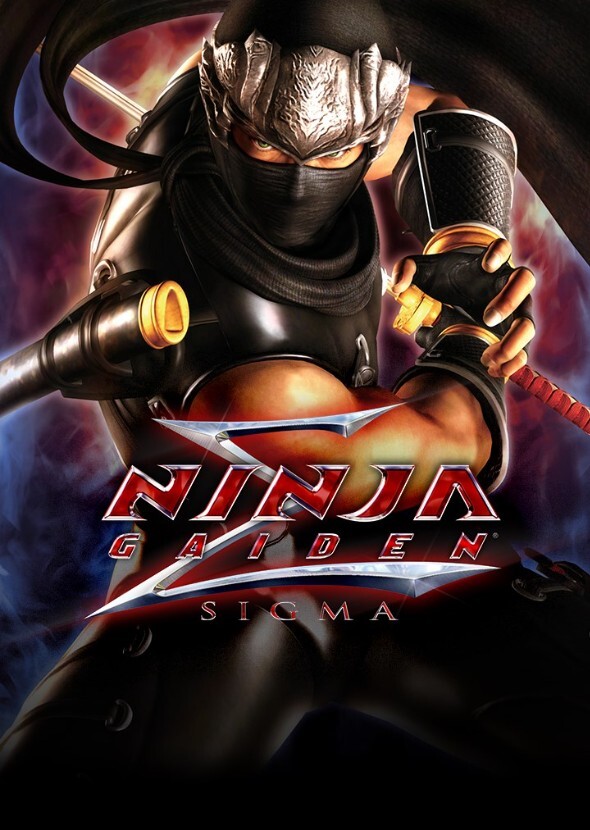
Inspired by the 1980s Ninja Gaiden series for the Nintendo Entertainment System (NES), the 2004 version was originally set in a re-imagined game world based on another Team Ninja creation, the Dead or Alive (DOA) series of fighting games. However, interviews with Tomonobu Itagaki indicate that the Xbox games are standalone prequels to the NES series and that both possibly share a single continuity.[18][19][20] Ninja Gaiden is set in the game world of the Dead or Alive series.[21] Located mainly in Japan and the fictional Western Asian nation of the Vigoor Empire, the game draws on Heian period structures for its Japanese locales—a ninja fortress and village set in the mountains. In contrast the Vigoor Empire, with its capital city of Tairon, is a blend of architectural types from around the world.[14] European-style buildings and the monastery in Tairon exhibits Gothic influences with a vaulted hall, pointed arches, and large stained glass windows. A hidden underground level features statues with the heads of cats, walls covered with carvings, hieroglyphics, Aztec pyramid and a labyrinth.[22] This mix of styles was the result of Itagaki's refusal to constrain the game's creative process.[21]Ninja Gaiden's story spans 16 chapters, each beginning and ending with a cutscene.