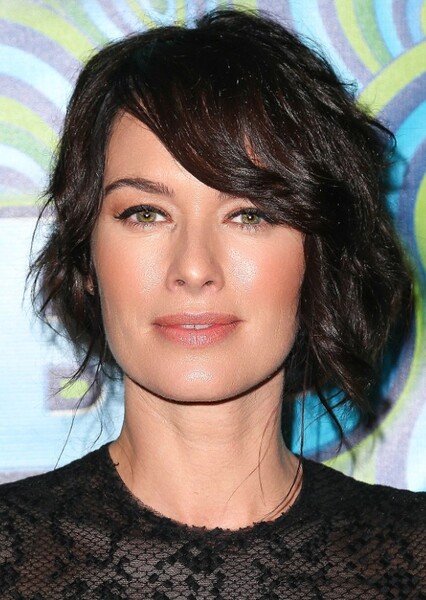
Age: 69
female
Cherry Jones (born November 21, 1956) is an American actress. Having started her career in theatre as a founding member of the American Repertory Theatre in 1980, she then transitioned into film and television. Celebrated for her dynamic roles on stage and screen, she has received various accolades, including three Primetime Emmy Awards and two Tony Awards, as well as nominations for an Olivier Award and a Screen Actors Guild Award. Jones made her Broadway debut in the 1987 play Stepping Out. She went on to receive two Tony Awards for Best Actress in a Play for The Heiress in 1995 and Doubt in 2005. Her other Tony-nominated roles were in Our Country's Good in 1991, A Moon for the Misbegotten in 2000, and The Glass Menagerie in 2014. Her most recent Broadway performance was in The Lifespan of a Fact in 2018. She is also known for her work on television with breakthrough roles as Barbara Layton in The West Wing and President Allison Taylor in 24 the latter of which won her the Primetime Emmy Award for Outstanding Supporting Actress in a Drama Series in 2009. She received a Screen Actors Guild Award nomination for Transparent in 2015 and earned two Primetime Emmy Awards Outstanding Guest Actress in a Drama Series for her roles in the Hulu drama series The Handmaid's Tale in 2019 and the HBO drama series Succession in 2020. Her film appearances include The Horse Whisperer (1998), Erin Brockovich (2000), Signs (2002), The Village (2004), Amelia (2009), The Beaver (2011), A Rainy Day in New York (2019), and The Eyes of Tammy Faye (2021).
Cherry Jones

Igraine
for Igraine in King Arthur and the Knights of the Round Table
Suggested by shadowthorne3

King Arthur was a legendary British leader who, according to medieval histories and romances, led the defence of Britain against Saxon invaders in the late 5th and early 6th centuries. The details of Arthur's story are mainly composed of folklore and literary invention, and modern historians generally agree that he is unhistorical. The sparse historical background of Arthur is gleaned from various sources, including the Annales Cambriae, the Historia Brittonum, and the writings of Gildas. Arthur's name also occurs in early poetic sources such as Y Gododdin. Arthur is a central figure in the legends making up the Matter of Britain. The legendary Arthur developed as a figure of international interest largely through the popularity of Geoffrey of Monmouth's fanciful and imaginative 12th-century Historia Regum Britanniae (History of the Kings of Britain). In some Welsh and Breton tales and poems that date from before this work, Arthur appears either as a great warrior defending Britain from human and supernatural enemies or as a magical figure of folklore, sometimes associated with the Welsh otherworld Annwn.[6] How much of Geoffrey's Historia (completed in 1138) was adapted from such earlier sources, rather than invented by Geoffrey himself, is unknown.