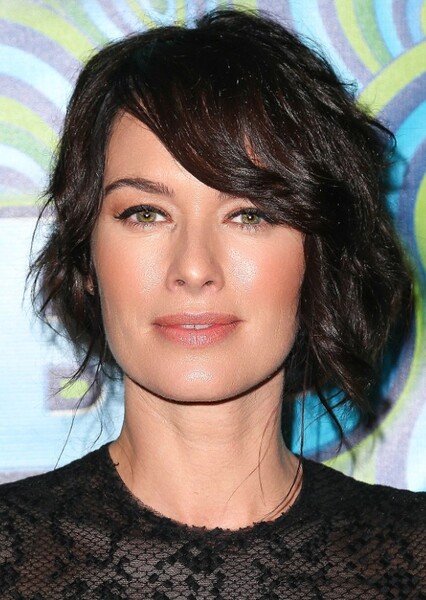
Age: 47
female
Mary McCoy, professionally known as Maimie McCoy (born April 21, 1979) is an English actress. She portrayed Milady de Winter in The Musketeers (2014–2016), and is the female lead in the ITV reboot series Van der Valk (2020–). Mary McCoy was born in Yorkshire. McCoy is the daughter of restaurateurs Eugene and Barbara McCoy, once managers of Tontine restaurant near Stokesley, who now run the Crathorne Arms pub in Crathorne, North Yorkshire. Her elder brother Rory is the owner of London restaurants Ducksoup and The Picklery Little Duck, and her younger brother is actor, singer, and dancer Eugene McCoy. Her maternal uncle is the impressionist Kevin Connelly. McCoy attended Stokesley School. Initially a dancer, she then studied performing arts at London Metropolitan University, graduating with a BA (Hons) in 2001. McCoy's screen career includes episodes of Doctors, The Bill, Waking the Dead, and Taggart In 2009, she appeared in Personal Affairs as Nicole Palmerston-Amory, a "man-eating, cynical realist (who) favours money over love". This was McCoy's first leading role, for which she was nominated for a TV Quick Award as best supporting actress. In December 2012, McCoy played the role of the younger Joyce Hatto in the BBC's production of Loving Miss Hatto. In April 2013, she appeared in "Rocket", the third episode of Endeavour, playing Alice Vexin, an old student acquaintance of Morse. Later that year, she starred in the short film Fare with Christian Cooke. She appeared as the female lead, Milady de Winter, in the BBC's The Musketeers (2014–2016), and as Dorothy in Channel 5's remake series All Creatures Great and Small (2020–present). She plays the female lead, opposite Marc Warren, in the ITV reboot series Van Der Valk.
Maimie McCoy

Igraine
for Igraine in King Arthur and the Knights of the Round Table
Suggested by daydreamer

King Arthur was a legendary British leader who, according to medieval histories and romances, led the defence of Britain against Saxon invaders in the late 5th and early 6th centuries. The details of Arthur's story are mainly composed of folklore and literary invention, and modern historians generally agree that he is unhistorical. The sparse historical background of Arthur is gleaned from various sources, including the Annales Cambriae, the Historia Brittonum, and the writings of Gildas. Arthur's name also occurs in early poetic sources such as Y Gododdin. Arthur is a central figure in the legends making up the Matter of Britain. The legendary Arthur developed as a figure of international interest largely through the popularity of Geoffrey of Monmouth's fanciful and imaginative 12th-century Historia Regum Britanniae (History of the Kings of Britain). In some Welsh and Breton tales and poems that date from before this work, Arthur appears either as a great warrior defending Britain from human and supernatural enemies or as a magical figure of folklore, sometimes associated with the Welsh otherworld Annwn.[6] How much of Geoffrey's Historia (completed in 1138) was adapted from such earlier sources, rather than invented by Geoffrey himself, is unknown.