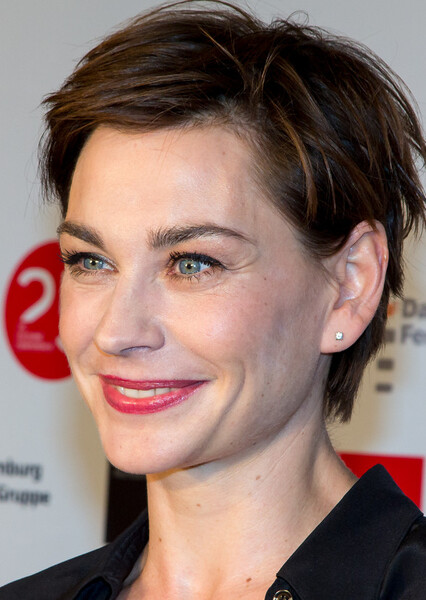
Age: 69
female
Frances Louise McDormand (born Cynthia Ann Smith; June 23, 1957) is an American film, stage and television actress. McDormand began her career on stage and made her screen debut in the 1984 film Blood Simple, having since appeared in several theatrical and television roles. McDormand has been recognized for her performances in 'Mississippi Burning' (1988), 'Short Cuts' (1993), 'Fargo' (1996), 'Wonder Boys' (2000), 'Almost Famous' (2000), 'North Country' (2005), 'Moonrise Kingdom' (2012), 'Hail, Caesar!' (2016), 'Three Billboards Outside Ebbing, Missouri' (2017), 'Nomadland' (2020) and 'The Tragedy of Macbeth' (2021). Throughout her career, she has been nominated for eight Golden Globes, five Academy Awards, four BAFTA Awards, and three Emmy Awards. She is one of the few performers to achieve the "Triple Crown of Acting", winning an Academy Award, a Primetime Emmy Award, and a Tony Award. She won her first Academy Award for Best Actress in 1997 for her role as Marge Gunderson in 'Fargo'. She also won Best Supporting Actress from the Broadcast Film Critics Association, the Florida Film Critics Circle, and the Los Angeles Film Critics Association for her performance in 'Wonder Boys' (2000). McDormand returned to the stage in the David Lindsay-Abaire play Good People on Broadway from February 8, 2011 to April 24, 2011. In 2017, McDormand starred in 'Three Billboards Outside Ebbing, Missouri' which earned her a second Academy Award for Best Actress. McDormand has been married to filmmaker Joel Coen since 1984, they reside in New York City along with their adopted son Pedro.
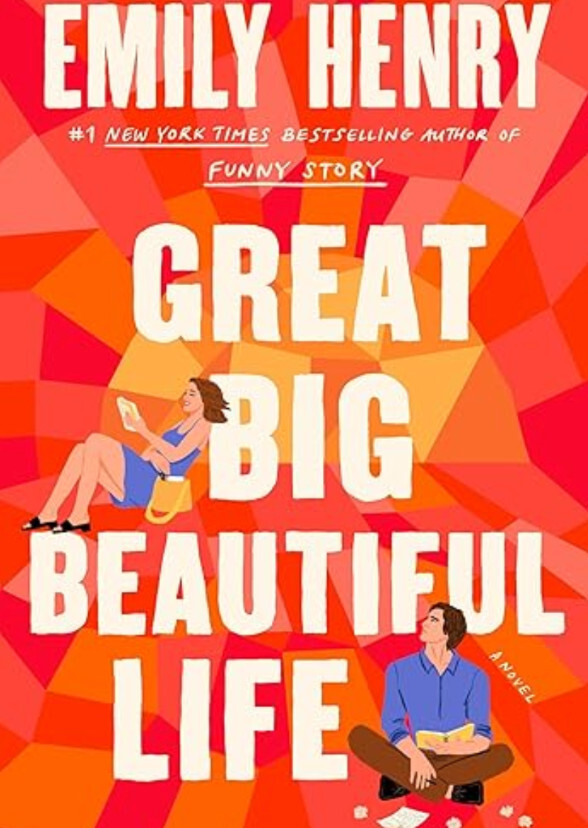
Alice Scott is an eternal optimist still dreaming of her big writing break. Hayden Anderson is a Pulitzer-prize winning human thundercloud. And they’re both on balmy Little Crescent Island for the same reason: To write the biography of a woman no one has seen in years--or at least to meet with the octogenarian who claims to be the Margaret Ives. Tragic heiress, former tabloid princess, and daughter of one of the most storied (and scandalous) families of the 20th Century. When Margaret invites them both for a one-month trial period, after which she’ll choose the person who’ll tell her story, there are three things keeping Alice’s head in the game. One: Alice genuinely likes people, which means people usually like Alice—and she has a whole month to win the legendary woman over. Two: She’s ready for this job and the chance to impress her perennially unimpressed family with a Serious Publication Three: Hayden Anderson, who should have no reason to be concerned about losing this book, is glowering at her in a shaken-to-the core way that suggests he sees her as competition. But the problem is, Margaret is only giving each of them pieces of her story. Pieces they can’t swap to put together because of an ironclad NDA and an inconvenient yearning pulsing between them every time they’re in the same room. And it’s becoming abundantly clear that their story—just like the tale Margaret’s spinning—could be a mystery, tragedy, or love ballad…depending on who’s telling it.