
St. Louis (/seɪnt ˈluːɪs, sənt ˈluːɪs/)[9] is the second-largest city in Missouri, United States. It sits near the confluence of the Mississippi and the Missouri Rivers. As of 2020, the city proper had a population of 301,578,[8] while the bi-state metropolitan area, which extends into Illinois, had an estimated population of over 2.8 million, making it the largest metropolitan area in Missouri, the second-largest in Illinois, and the 20th-largest in the United States. Before European settlement, the area was a regional center of Native American Mississippian culture. St. Louis was founded on February 14, 1764, by French fur traders Gilbert Antoine de St. Maxent,[10] Pierre Laclède and Auguste Chouteau, who named it for Louis IX of France. In 1764, following France's defeat in the Seven Years' War, the area was ceded to Spain. In 1800, it was retroceded to France, which sold it three years later to the United States as part of the Louisiana Purchase;[11] the city was then the point of embarkation for the Corps of Discovery on the Lewis and Clark Expedition. In the 19th century, St. Louis became a major port on the Mississippi River; from 1870 until the 1920 census, it was the fourth-largest city in the country. It separated from St. Louis County in 1877, becoming an independent city and limiting its political boundaries. In 1904, it hosted the Louisiana Purchase Exposition and the Summer Olympics. A "Gamma" global city with a metropolitan GDP of more than $160 billion in 2017,[12] metropolitan St. Louis has a diverse economy with strengths in the service, manufacturing, trade, transportation, and tourism industries. It is home to eight Fortune 500 companies. Major companies headquartered or with significant operations in the city include Ameren Corporation, Peabody Energy, Nestlé Purina PetCare, Anheuser-Busch, Wells Fargo Advisors, Stifel Financial, Spire, Inc., MilliporeSigma, FleishmanHillard, Square, Inc., U.S. Bank, Anthem BlueCross and Blue Shield, Federal Reserve Bank of St. Louis, U.S. Department of Agriculture, National Geospatial-Intelligence Agency, Centene Corporation, and Express Scripts. Major research universities include Saint Louis University and Washington University in St. Louis. The Washington University Medical Center in the Central West End neighborhood hosts an agglomeration of medical and pharmaceutical institutions, including Barnes-Jewish Hospital. St. Louis has four professional sports teams: the St. Louis Cardinals of Major League Baseball, the St. Louis Blues of the National Hockey League, St. Louis City SC of Major League Soccer, anticipated to begin play in 2023, and the St. Louis BattleHawks of the XFL. Among the city's notable sights is the 630-foot (192 m) Gateway Arch in Downtown St. Louis, the St. Louis Zoo, the Missouri Botanical Garden, the Saint Louis Art Museum, and Bellefontaine Cemetery and Arboretum.[13][14][15]
St. Louis

Filming Locations
for Filming Locations in Brilliant Crisis Primitiva
Suggested by GodzillaLover04
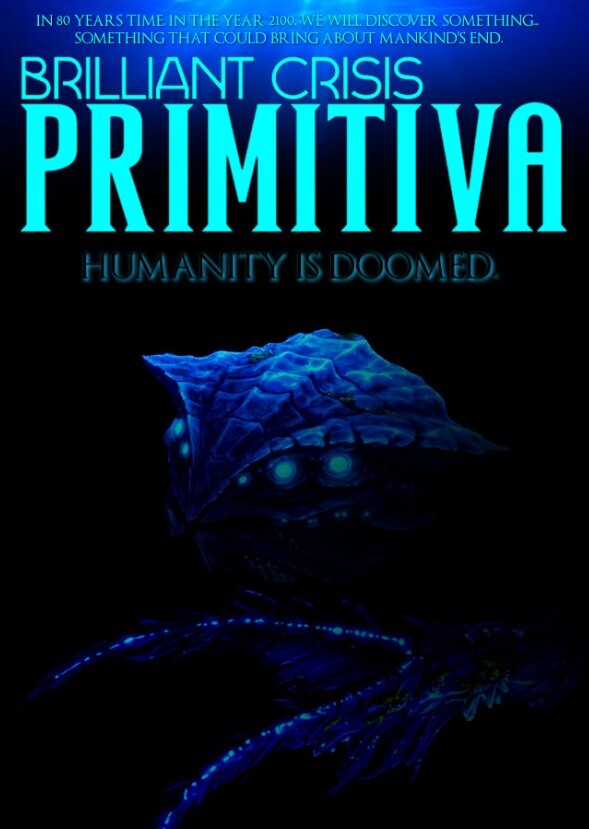
In the beginning of the year 2100, five years after the events of World War IV, a crew of scientists are recruited by U.S. Navy SEALS to investigate a series of missing submarines and Navy Ships across the Arctic. By January, they discover the wrecks of the subs and ships across the coast of Greenland, however, they found something else... Going deep into Greenland's crust, they find a race of strange, Bioluminescent and hostile creatures of seemingly alien origin. A majority of the crew was killed, but a select few that have survived don't know what will come next. Upon returning to the United States, the creatures, with various sizes and powers, begin to manifest across the world, and begin attacking mankind. One scientist's efforts to stop the creatures leads him and his colleagues to the mysterious paramilitary organization HERZ, which had been founded 20 years prior, as they we're aware of the the existence of the creatures, which are called the "Primitivans." HERZ must both research and combat the threat of the Primitivans while dealing with tensions between their own members and the United Nations. They soon will discover that the Primitivans' goal for humanity is more justified than they think, and are more godlike than they seem.




