
Tibet (/tɪˈbɛt/ (About this soundlisten); Tibetan: བོད་, Lhasa dialect: [/pʰøː˨˧˩/]; Chinese: 西藏; pinyin: Xīzàng) is a region in East Asia covering much of the Tibetan Plateau spanning about 2,500,000 km2 (970,000 sq mi). It is the traditional homeland of the Tibetan people as well as some other ethnic groups such as Monpa, Tamang, Qiang, Sherpa, and Lhoba peoples and is now also inhabited by considerable numbers of Han Chinese and Hui people. Tibet is the highest region on Earth, with an average elevation of 4,380 m (14,000 ft).[1][2] Located in the Himalayas, the highest elevation in Tibet is Mount Everest, Earth's highest mountain, rising 8,848.86 m (29,032 ft) above sea level. The Tibetan Empire emerged in the 7th century, but with the fall of the empire, the region soon divided into a variety of territories. The bulk of western and central Tibet (Ü-Tsang) was often at least nominally unified under a series of Tibetan governments in Lhasa, Shigatse, or nearby locations. The eastern regions of Kham and Amdo often maintained a more decentralized indigenous political structure, being divided among a number of small principalities and tribal groups, while also often falling more directly under Chinese rule; most of this area was eventually incorporated into the Chinese provinces of Sichuan and Qinghai. The current borders of Tibet were generally established in the 18th century.[3] Following the Xinhai Revolution against the Qing dynasty in 1912, Qing soldiers were disarmed and escorted out of Tibet Area (Ü-Tsang). The region subsequently declared its independence in 1913 without recognition by the subsequent Chinese Republican government.[4] Later, Lhasa took control of the western part of Xikang, China. The region maintained its autonomy until 1951 when, following the Battle of Chamdo, Tibet was occupied and incorporated into the People's Republic of China, and the previous Tibetan government was abolished in 1959 after a failed uprising.[5] Today, China governs western and central Tibet as the Tibet Autonomous Region while the eastern areas are now mostly ethnic autonomous prefectures within Sichuan, Qinghai and other neighbouring provinces. There are tensions regarding Tibet's political status[6] and dissident groups that are active in exile.[7] Tibetan activists in Tibet have reportedly been arrested or tortured.[8] The economy of Tibet is dominated by subsistence agriculture, though tourism has become a growing industry in recent decades. The dominant religion in Tibet is Tibetan Buddhism; in addition there is Bön, an indigenous religion that is now similar to Tibetan Buddhism,[9] and there are also Tibetan Muslims and Christian minorities. Tibetan Buddhism is a primary influence on the art, music, and festivals of the region. Tibetan architecture reflects Chinese and Indian influences. Staple foods in Tibet are roasted barley, yak meat, and butter tea.
Tibet

Filming Locations
for Filming Locations in Brilliant Crisis Primitiva
Suggested by GodzillaLover04
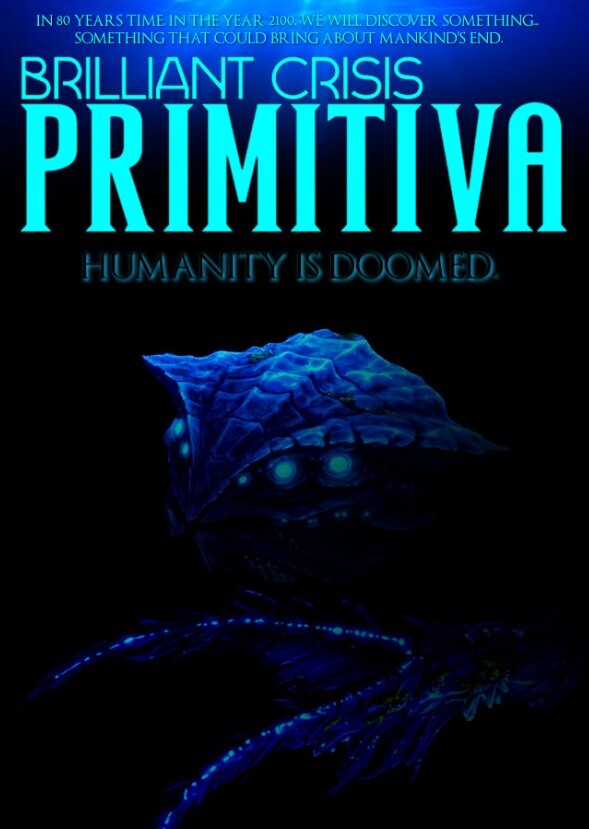
In the beginning of the year 2100, five years after the events of World War IV, a crew of scientists are recruited by U.S. Navy SEALS to investigate a series of missing submarines and Navy Ships across the Arctic. By January, they discover the wrecks of the subs and ships across the coast of Greenland, however, they found something else... Going deep into Greenland's crust, they find a race of strange, Bioluminescent and hostile creatures of seemingly alien origin. A majority of the crew was killed, but a select few that have survived don't know what will come next. Upon returning to the United States, the creatures, with various sizes and powers, begin to manifest across the world, and begin attacking mankind. One scientist's efforts to stop the creatures leads him and his colleagues to the mysterious paramilitary organization HERZ, which had been founded 20 years prior, as they we're aware of the the existence of the creatures, which are called the "Primitivans." HERZ must both research and combat the threat of the Primitivans while dealing with tensions between their own members and the United Nations. They soon will discover that the Primitivans' goal for humanity is more justified than they think, and are more godlike than they seem.




