
Indianapolis (/ˌɪndiəˈnæpəlɪs/),[9][10] colloquially known as Indy, is the state capital and most-populous city of the U.S. state of Indiana and the seat of Marion County. According to the United States Census Bureau, the consolidated population of Indianapolis and Marion County in 2020 was 977,642.[11] The "balance" population, which excludes semi-autonomous municipalities in Marion County, was 887,642.[12] It is the 15th most populous city in the U.S., the third-most populous city in the Midwest, after Chicago, Illinois and Columbus, Ohio, and the fourth-most populous state capital after Phoenix, Arizona; Austin, Texas; and Columbus. The Indianapolis metropolitan area is the 33rd most populous metropolitan statistical area in the U.S., with 2,111,040 residents.[13] Its combined statistical area ranks 28th, with a population of 2,431,361.[14] Indianapolis covers 368 square miles (950 km2), making it the 18th largest city by land area in the U.S. Indigenous peoples inhabited the area dating to as early as 10,000 BC.[15] In 1818, the Delaware relinquished their tribal lands in the Treaty of St. Mary's.[16] In 1821, Indianapolis was founded as a planned city for the new seat of Indiana's state government. The city was platted by Alexander Ralston and Elias Pym Fordham on a 1-square-mile (2.6 km2) grid next to the White River. Completion of the National and Michigan roads and arrival of rail later solidified the city's position as a manufacturing and transportation hub.[17] Two of the city's nicknames reflect its historical ties to transportation—the "Crossroads of America" and "Railroad City".[18][19][1] Since the 1970 city-county consolidation, known as Unigov, local government administration operates under the direction of an elected 25-member city-county council headed by the mayor. Indianapolis anchors the 29th largest economic region in the U.S., based primarily on the industries of trade, transportation, and utilities; professional and business services; education and health services; government; leisure and hospitality; and manufacturing.[20] The city has notable niche markets in amateur sports and auto racing.[21][22] The city is home to three Fortune 500 companies, two major league sports clubs (Colts and Pacers), five university campuses, and several museums, including the world's largest children's museum.[23][24] However, the city is perhaps best known for annually hosting the world's largest single-day sporting event, the Indianapolis 500.[25][26] Among the city's historic sites and districts, Indianapolis is home to the largest collection of monuments dedicated to veterans and war casualties in the U.S. outside of Washington, D.C.[27][28]
Indianapolis

Filming Locations
for Filming Locations in Brilliant Crisis Primitiva
Suggested by GodzillaLover04
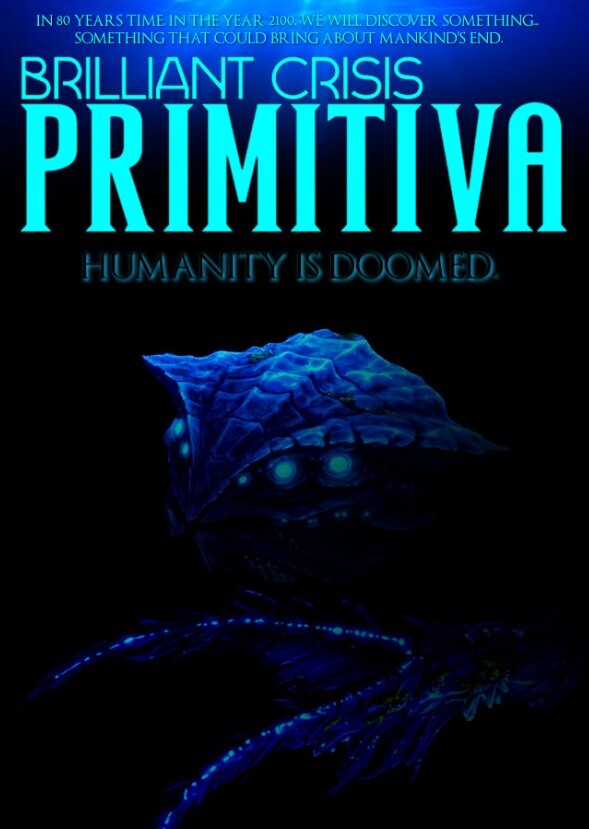
In the beginning of the year 2100, five years after the events of World War IV, a crew of scientists are recruited by U.S. Navy SEALS to investigate a series of missing submarines and Navy Ships across the Arctic. By January, they discover the wrecks of the subs and ships across the coast of Greenland, however, they found something else... Going deep into Greenland's crust, they find a race of strange, Bioluminescent and hostile creatures of seemingly alien origin. A majority of the crew was killed, but a select few that have survived don't know what will come next. Upon returning to the United States, the creatures, with various sizes and powers, begin to manifest across the world, and begin attacking mankind. One scientist's efforts to stop the creatures leads him and his colleagues to the mysterious paramilitary organization HERZ, which had been founded 20 years prior, as they we're aware of the the existence of the creatures, which are called the "Primitivans." HERZ must both research and combat the threat of the Primitivans while dealing with tensions between their own members and the United Nations. They soon will discover that the Primitivans' goal for humanity is more justified than they think, and are more godlike than they seem.




