Age: 57
male
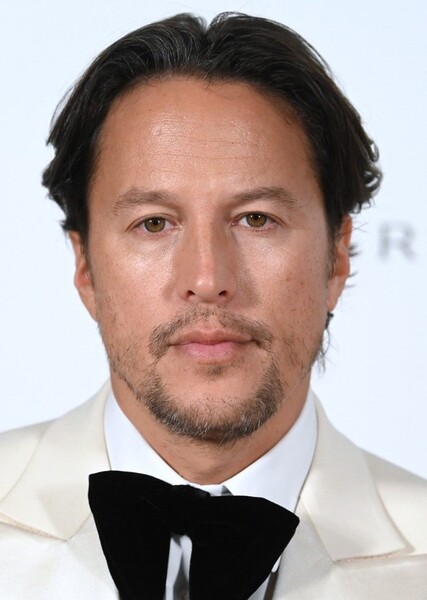
Bong Joon-ho (Korean: 봉준호, Korean pronunciation:[poːŋ tɕuːnho → poːŋdʑunɦo]; born September 14, 1969) is a South Korean filmmaker. The recipient of three Academy Awards, his work is characterised by emphasis on social and class themes, genre-mixing, dark comedy, and sudden tone shifts. He first became known to audiences and achieved a cult following with his directorial debut film, the black comedy Barking Dogs Never Bite (2000), before achieving both critical and commercial success with his subsequent films: the crime thriller Memories of Murder (2003), the monster film The Host (2006), the science fiction action film Snowpiercer (2013), which served as Bong's English language debut, and the acclaimed black comedy thriller Parasite (2019), all of which are among the highest-grossing films in South Korea, with Parasite also being the highest-grossing South Korean film in history. All of Bong's films have been South Korean productions. However, Snowpiercer, Okja (2017) and Mickey 17 (2025) are Hollywood co-productions with significant use of the English language. Two of his films have been screened in competitions at the Cannes Film Festival — Okja in 2017 and Parasite in 2019; the latter earned the Palme d'Or, the first for a South Korean film. Considered an immediate favourite by the Academy Awards, Parasite became the first South Korean film to receive Academy Award nominations, with Bong winning Best Picture, Best Director, and Best Original Screenplay, making Parasite the first film in the award's history not in English to win Best Picture. In 2017, Bong was included on Metacritic's list of the 25 best film directors of the 21st century. In 2020, Bong was included in Time's annual list of 100 Most Influential People and Bloomberg 50. Description above from the Wikipedia article Bong Joon-ho, licensed under CC-BY-SA, full list of contributors on Wikipedia.
Bong Joon Ho

X-Men: Apocalypse (2025) Director
for X-Men: Apocalypse (2025) Director in X-Men: Re-imagined
Suggested by bencasting
My attempt to reorganise X-Men films into a more cohesive timeline. X-Men (2000): Growing fear of mutants. Focus on the X-men’s found-family dynamic across generations. Rogue given more character development. Clash with Magneto & the Brotherhood stopping his increasingly extreme plan. X-Men: Mankind (2003): Wolverine’s past emerges through flashbacks. The cruelty of William Stryker’s Weapon X program forces the X-Men and Magneto into a reluctant alliance, while Jean Grey’s powers are pushed to the limit saving the team. X-Men: Phoenix Rising (2007): Jean, believed dead, returns with the Phoenix Force, amplifying her anger at humans, Charles & Magneto. She causes destruction, struggles morally, and ultimately chooses to take control of the power, manifesting as the Phoenix in the sky and removing herself from the world. Sentinel program quietly advances. X-Men: First Class (2010): Nathaniel Essex as architect pulling strings from the shadows. More time with Erik hunting Nazis. More comic-accurate Emma Frost; Darwin survives; Havok swapped to fix continuity. X-Men: Days of Future Past (2013): Mostly the same but with enough focus and better lines for characters to give them time to shine. X-Men: Bloodlines (2023): Set against the fall of the iron curtain – Mr. Sinister is abducting unregistered mutants across Europe. Setting traps for the x-men, to divide and capture Scott & Jean to harness their DNA. Jean’s powers surge during a showdown beneath Berlin, destroying Sinister’s archives, forcing his retreat. X-Men: Apocalypse (2025): Jeans power surge & Sinister’s failure awakens Apocalypse. Seeing his “pawn” could not control the X-Men or Jean’s cosmic power, Apocalypse corrupts 4 Horsemen to reshape the modern world. Guided by future Charles via the astral plane, Jean learns to control her Phoenix energy. The team overcome Apocalypse, entombing him & preventing his conquest.