Age: 73
male
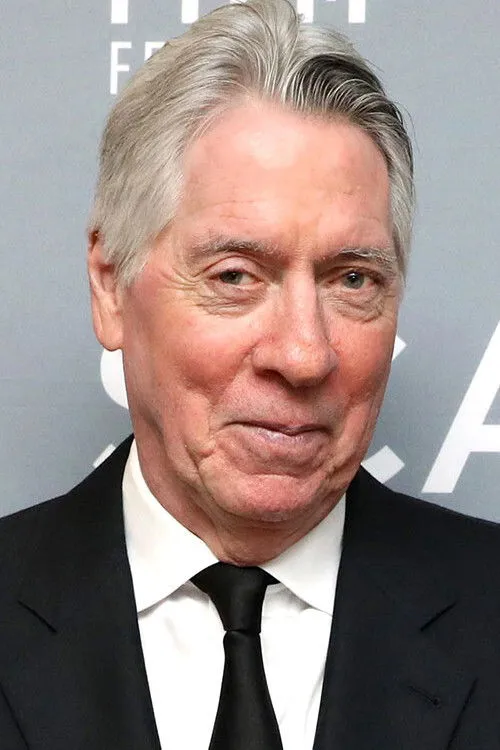
Daniel Robert Elfman (born May 29, 1953) is an American film composer, singer, songwriter, and musician. He came to prominence as the lead vocalist and primary songwriter for the new wave band Oingo Boingo in the early 1980s. Since scoring his first studio film in 1985, Elfman has garnered international recognition for composing over 100 feature film scores, as well as compositions for television, stage productions, and the concert hall. Elfman has frequently worked with directors Tim Burton, Sam Raimi, and Gus Van Sant, contributing music to nearly 20 Burton projects, including Pee-Wee's Big Adventure, Beetlejuice, Batman, Edward Scissorhands, Batman Returns, Mars Attacks!, Sleepy Hollow, Big Fish, and Alice in Wonderland, as well as scoring Raimi's Darkman, A Simple Plan, Spider-Man, Spider-Man 2, Oz the Great and Powerful, and Doctor Strange in the Multiverse of Madness, and Van Sant's Academy Award-winning films Good Will Hunting and Milk. He wrote music for all of the Men in Black and Fifty Shades of Grey franchise films, the songs and score for Henry Selick's animated musical The Nightmare Before Christmas, and the themes for the popular television series Desperate Housewives and The Simpsons. Among his honours are four Oscar nominations, three Emmy Awards, a Grammy, seven Saturn Awards for Best Music, the 2002 Richard Kirk Award, the 2015 Disney Legend Award, the Max Steiner Film Music Achievement Award in 2017, and the Society of Composers & Lyricists Lifetime Achievement Award in 2022. Description above from the Wikipedia article Danny Elfman, licensed under CC-BY-SA, full list of contributors on Wikipedia.
Danny Elfman

X-Men (2000) Composer
for X-Men (2000) Composer in X-Men: Re-imagined
Suggested by ciclopexmen
My attempt to reorganise X-Men films into a more cohesive timeline. X-Men (2000): Growing fear of mutants. Focus on the X-men’s found-family dynamic across generations. Rogue given more character development. Clash with Magneto & the Brotherhood stopping his increasingly extreme plan. X-Men: Mankind (2003): Wolverine’s past emerges through flashbacks. The cruelty of William Stryker’s Weapon X program forces the X-Men and Magneto into a reluctant alliance, while Jean Grey’s powers are pushed to the limit saving the team. X-Men: Phoenix Rising (2007): Jean, believed dead, returns with the Phoenix Force, amplifying her anger at humans, Charles & Magneto. She causes destruction, struggles morally, and ultimately chooses to take control of the power, manifesting as the Phoenix in the sky and removing herself from the world. Sentinel program quietly advances. X-Men: First Class (2010): Nathaniel Essex as architect pulling strings from the shadows. More time with Erik hunting Nazis. More comic-accurate Emma Frost; Darwin survives; Havok swapped to fix continuity. X-Men: Days of Future Past (2013): Mostly the same but with enough focus and better lines for characters to give them time to shine. X-Men: Bloodlines (2023): Set against the fall of the iron curtain – Mr. Sinister is abducting unregistered mutants across Europe. Setting traps for the x-men, to divide and capture Scott & Jean to harness their DNA. Jean’s powers surge during a showdown beneath Berlin, destroying Sinister’s archives, forcing his retreat. X-Men: Apocalypse (2025): Jeans power surge & Sinister’s failure awakens Apocalypse. Seeing his “pawn” could not control the X-Men or Jean’s cosmic power, Apocalypse corrupts 4 Horsemen to reshape the modern world. Guided by future Charles via the astral plane, Jean learns to control her Phoenix energy. The team overcome Apocalypse, entombing him & preventing his conquest.