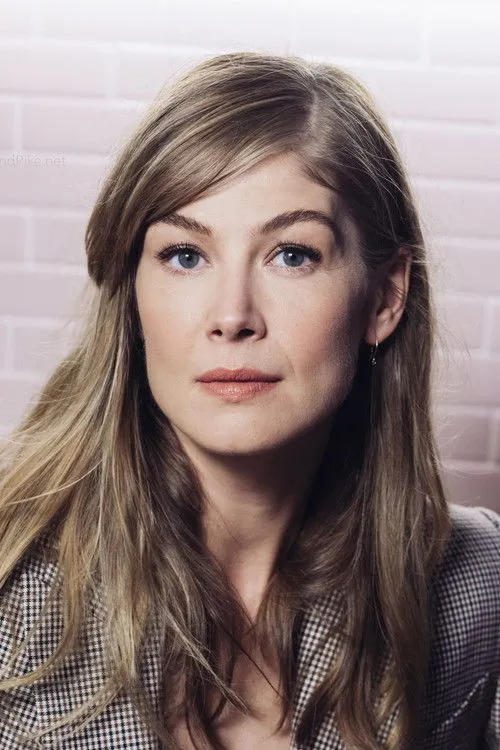
Age: 52
female
Vera Ann Farmiga (/fɑːrˈmiːɡə/ far-MEE-gə; born August 6, 1973) is an American actress. Farmiga began her professional acting career on stage in the original Broadway production of Taking Sides (1996). After expanding to television and film, her breakthrough came with her starring role as a drug addict in the drama Down to the Bone (2004). She then had roles in the political thriller The Manchurian Candidate (2004), the crime drama The Departed (2006), and the historical drama The Boy in the Striped Pyjamas (2008). She was also established as a scream queen for her performances in the horror films Joshua (2007) and Orphan (2009). For her performance in the comedy-drama Up in the Air (2009), Farmiga was nominated for an Academy Award and other accolades. She then made her directorial debut with the drama film Higher Ground (2011), in which she had the leading role. She starred in the thrillers Source Code (2011) and Safe House (2012), before furthering her scream queen status by portraying paranormal investigator Lorraine Warren in the Conjuring Universe films The Conjuring (2013), The Conjuring 2 (2016), Annabelle Comes Home (2019), and The Conjuring: The Devil Made Me Do It (2021). She also starred in the legal drama The Judge (2014), the biographical drama The Front Runner (2018), the monster film Godzilla: King of the Monsters (2019), and the crime drama The Many Saints of Newark (2021). On television, Farmiga received Primetime Emmy Award nominations for playing Norma Louise Bates in the A&E drama horror series Bates Motel (2013–2017) and starring in the Netflix miniseries When They See Us (2019). She also appears in the Disney+ miniseries Hawkeye (2021), set in the Marvel Cinematic Universe, and the Apple TV+ miniseries Five Days at Memorial (2022). Description above from the Wikipedia article Vera Farmiga, licensed under CC-BY-SA, full list of contributors on Wikipedia.
Vera Farmiga

Lady of the Lake
for Lady of the Lake in The Tragedy of Arthur, King of Britain
Suggested by thecookieprincess

King Arthur was a legendary British leader who, according to medieval histories and romances, led the defence of Britain against Saxon invaders in the late 5th and early 6th centuries. The details of Arthur's story are mainly composed of folklore and literary invention, and modern historians generally agree that he is unhistorical. The sparse historical background of Arthur is gleaned from various sources, including the Annales Cambriae, the Historia Brittonum, and the writings of Gildas. Arthur's name also occurs in early poetic sources such as Y Gododdin. Arthur is a central figure in the legends making up the Matter of Britain. The legendary Arthur developed as a figure of international interest largely through the popularity of Geoffrey of Monmouth's fanciful and imaginative 12th-century Historia Regum Britanniae (History of the Kings of Britain). In some Welsh and Breton tales and poems that date from before this work, Arthur appears either as a great warrior defending Britain from human and supernatural enemies or as a magical figure of folklore, sometimes associated with the Welsh otherworld Annwn.[6] How much of Geoffrey's Historia (completed in 1138) was adapted from such earlier sources, rather than invented by Geoffrey himself, is unknown.