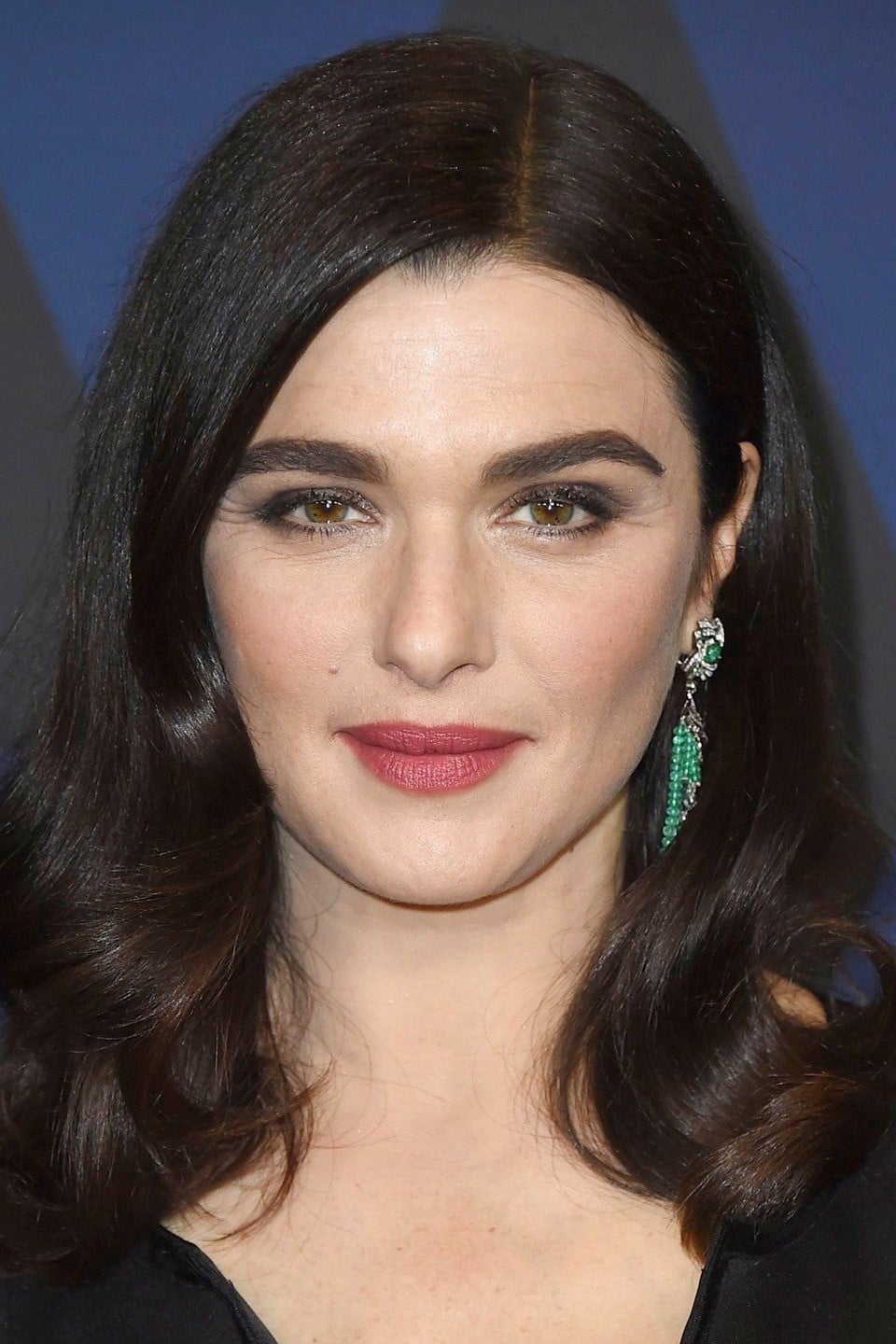
Age: 65
female
Katherine Matilda Swinton (born November 5, 1960) is an award-winning British actress of Scottish descent, known for her versatile roles in independent films and blockbusters. She is a recipient various accolades throughout her long career, including an Academy Award and two BAFTA Awards, in addition to being nominated for three Golden Globe Awards and five Screen Actors Guild Awards. Swinton began her career by appearing in experimental films starting with Caravaggio (1986), followed by The Last of England (1988), War Requiem (1989), and The Garden (1990). She won the Volpi Cup for Best Actress at the Venice Film Festival for her portrayal of Isabella of France in Edward II (1991). She next starred in Sally Potter's Orlando (1992), for which she received a nomination for the European Film Award for Best Actress. She was nominated for a Golden Globe Award for her performance in The Deep End (2001), and followed this with appearances in Vanilla Sky (2001), Adaptation (2002), Constantine (2005), Julia (2008), and I Am Love (2009). For the film Young Adam (2003), she won the British Academy Scotland Award for Best Actress. Her performance in Michael Clayton (2007) won her the Academy Award for Best Supporting Actress and the BAFTA Award for Best Actress in a Supporting Role. Additionally, she won the European Film Award for Best Actress and received a nomination for the BAFTA Award for Best Actress in a Leading Role for the psychological thriller We Need to Talk About Kevin (2011). Swinton has also played the White Witch in The Chronicles of Narnia series (2005–2010) and the Ancient One in the Marvel Cinematic Universe franchise. Swinton was awarded the Richard Harris Award by the British Independent Film Awards in recognition of her contributions to the British film industry. In 2013, she was given a special tribute by the Museum of Modern Art. In 2020, Swinton was awarded the British Film Institute Fellowship, the highest honour presented by the institution, for her "daringly eclectic and striking talents as a performer and film-maker and recognizes her great contribution to film culture, independent film exhibition and philanthropy." That same year, The New York Times ranked her thirteenth on its list of the greatest actors of the 21st century up to that point.

The Magician's Nephew is a fantasy children's novel by C. S. Lewis, published in 1955 by The Bodley Head. It is the sixth published of seven novels in The Chronicles of Narnia (1950–1956). In recent editions, which sequence the books according to Narnia history, it is volume one of the series. Like the others, it was illustrated by Pauline Baynes whose work has been retained in many later editions. The Bodley Head was a new publisher for The Chronicles, a change from Geoffrey Bles who had published the previous five novels.[1][3] The Magician's Nephew is a prequel to the series. The middle third of the novel features the creation of the Narnia world by Aslan the lion, centred on a section of a lamp-post brought by accidental observers from London in 1900. The visitors then participate in the beginning of Narnia history, 1000 years before The Lion, the Witch and the Wardrobe[a] (which inaugurated the series in 1950). The frame story, set in England, features two children ensnared in experimental travel via "the wood between the worlds". Thus, the novel shows Narnia and our middle-aged world to be only two of many in a multiverse, which changes as some worlds begin and others end. It also explains the origin of foreign elements in Narnia, not only the lamp-post but also the White Witch and a human king and queen.