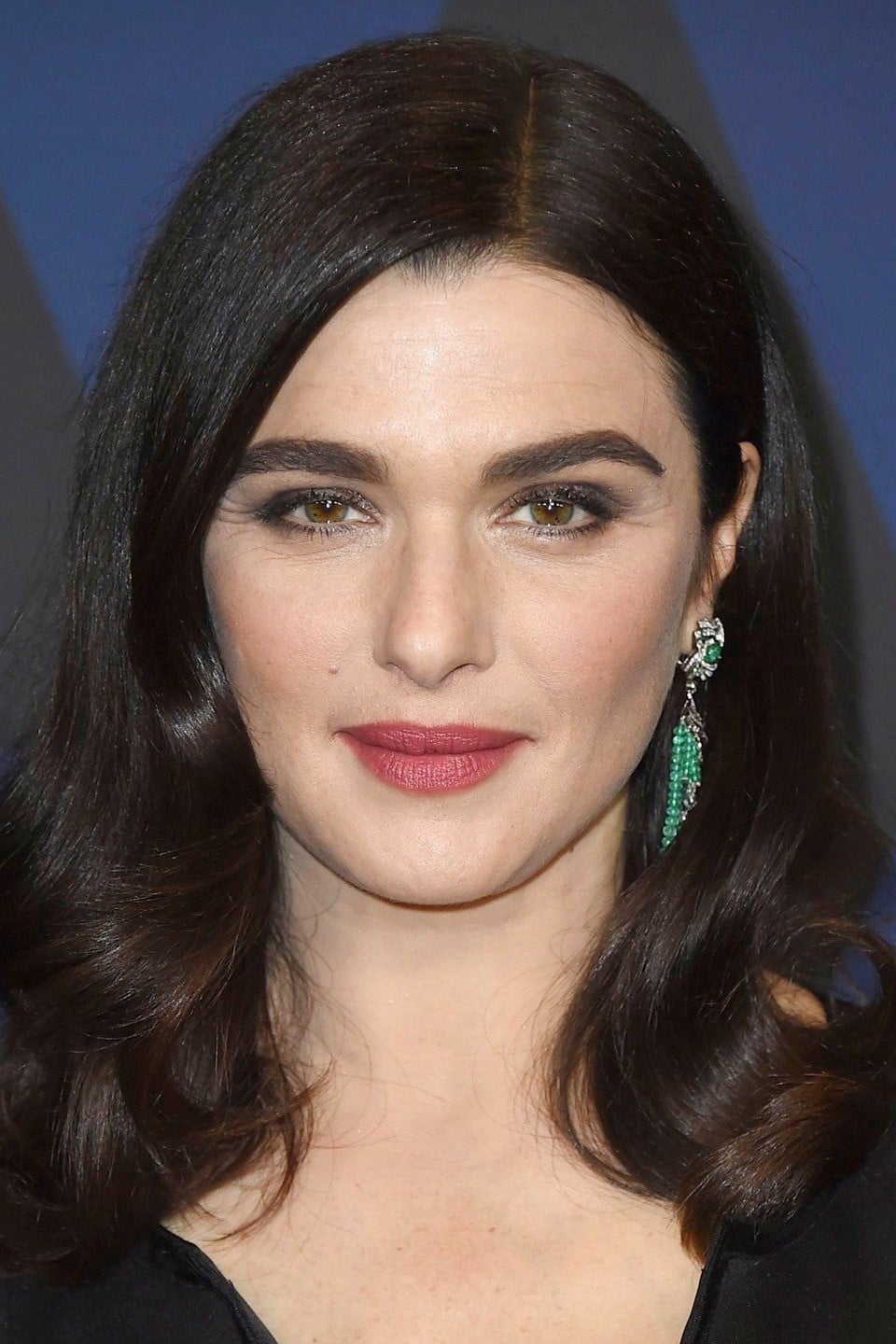
Age: 56
female
Rachel Hannah Weisz (/vaɪs/; born 7 March 1970) is an English actress. Known for her roles in independent films and blockbusters, she has received several awards, including an Academy Award, a BAFTA Award, a Golden Globe Award, and a Laurence Olivier Award. Weisz began acting in stage and television productions in the early 1990s and made her film debut in Death Machine (1994). She won a Critics' Circle Theatre Award for her role in the 1994 revival of Noël Coward's play Design for Living. She went on to appear in the 1999 Donmar Warehouse production of Tennessee Williams' drama Suddenly Last Summer. Her film breakthrough came with her starring role as Evelyn Carnahan in the Hollywood action films The Mummy (1999) and The Mummy Returns(2001). Weisz went on to star in several films of the 2000s, including Enemy at the Gates (2001), About a Boy (2002), Runaway Jury (2003), Constantine (2005), The Fountain (2006), The Lovely Bones (2009) and The Whistleblower (2010). For her performance as an activist in the 2005 thriller The Constant Gardener, she won the Academy Award for Best Supporting Actress. For playing Blanche DuBois in a 2009 revival of A Streetcar Named Desire, she won the Laurence Olivier Award for Best Actress. In the 2010s, Weisz continued to star in big-budget films such as the action film The Bourne Legacy (2012) and the fantasy film Oz the Great and Powerful (2013) and achieved critical acclaim for her performances in the independent films The Deep Blue Sea (2011), Denial (2016), and The Favourite (2018). For her portrayal of Sarah Churchill in The Favourite, she won the BAFTA Award for Best Actress in a Supporting Role and received a second Academy Award nomination. Weisz portrayed Melina Vostokoff in the Marvel Cinematic Universe film Black Widow (2021) and starred as twin obstetricians in the thriller miniseries Dead Ringers (2023). Description above from the Wikipedia article Wendell Pierce, licensed under CC-BY-SA, full list of contributors on Wikipedia.

The Magician's Nephew is a fantasy children's novel by C. S. Lewis, published in 1955 by The Bodley Head. It is the sixth published of seven novels in The Chronicles of Narnia (1950–1956). In recent editions, which sequence the books according to Narnia history, it is volume one of the series. Like the others, it was illustrated by Pauline Baynes whose work has been retained in many later editions. The Bodley Head was a new publisher for The Chronicles, a change from Geoffrey Bles who had published the previous five novels.[1][3] The Magician's Nephew is a prequel to the series. The middle third of the novel features the creation of the Narnia world by Aslan the lion, centred on a section of a lamp-post brought by accidental observers from London in 1900. The visitors then participate in the beginning of Narnia history, 1000 years before The Lion, the Witch and the Wardrobe[a] (which inaugurated the series in 1950). The frame story, set in England, features two children ensnared in experimental travel via "the wood between the worlds". Thus, the novel shows Narnia and our middle-aged world to be only two of many in a multiverse, which changes as some worlds begin and others end. It also explains the origin of foreign elements in Narnia, not only the lamp-post but also the White Witch and a human king and queen.




