
Baltimore (/ˈbɔːltɪmɔːr/ BAWL-tim-or, locally: /bɔːldəˈmɔːr/ bawl-da-MOR or /ˈbɔːlmər/ BAWL-mər) is the most populous city in the U.S. state of Maryland, fourth most populous city in the Mid-Atlantic, as well as the 30th most populous city in the United States, with a population of 585,708 in 2020.[10] Baltimore was designated an independent city by the Constitution of Maryland[11] in 1851, and today is the most populous independent city in the United States. As of 2021, the population of the Baltimore metropolitan area was estimated to be 2,838,327, making it the 20th largest metropolitan area in the country.[12] Baltimore is located about 40 miles (64 km) northeast of Washington, D.C.,[13] making it a principal city in the Washington–Baltimore combined statistical area (CSA), the fourth-largest CSA in the nation, with a calculated 2021 population of 9,946,526.[12] Prior to European colonization, the Baltimore region was used as hunting grounds by the Susquehannock Native Americans, who were primarily settled further north than where the city was later built.[14] Colonists from the Province of Maryland established the Port of Baltimore in 1706 to support the tobacco trade with Europe, and established the Town of Baltimore in 1729. The first printing press and newspapers were introduced to Baltimore by Nicholas Hasselbach and William Goddard respectively, in the mid-18th century. The Battle of Baltimore was a pivotal engagement during the War of 1812, culminating in the failed British bombardment of Fort McHenry, during which Francis Scott Key wrote a poem that would become "The Star-Spangled Banner", which was eventually designated as the American national anthem in 1931.[15] During the Pratt Street Riot of 1861, the city was the site of some of the earliest violence associated with the American Civil War. The Baltimore and Ohio Railroad, the oldest railroad in the United States, was built in 1830 and cemented Baltimore's status as a major transportation hub, giving producers in the Midwest and Appalachia access to the city's port. Baltimore's Inner Harbor was once the second leading port of entry for immigrants to the United States. In addition, Baltimore was a major manufacturing center.[16] After a decline in major manufacturing, heavy industry, and restructuring of the rail industry, Baltimore has shifted to a service-oriented economy. Johns Hopkins Hospital and Johns Hopkins University are the city's top two employers.[17] Baltimore and its surrounding region are home to the headquarters of a number of major organizations and government agencies, including the NAACP, ABET, the National Federation of the Blind, Catholic Relief Services, the Annie E. Casey Foundation, World Relief, the Centers for Medicare & Medicaid Services, and the Social Security Administration. Baltimore is also home to the Baltimore Orioles of Major League Baseball and the Baltimore Ravens of the National Football League. Many of Baltimore's neighborhoods have rich histories. The city is home to some of the earliest National Register Historic Districts in the nation, including Fell's Point, Federal Hill, and Mount Vernon. These were added to the National Register between 1969 and 1971, soon after historic preservation legislation was passed. Baltimore has more public statues and monuments per capita than any other city in the country.[18] Nearly one third of the city's buildings (over 65,000) are designated as historic in the National Register, which is more than any other U.S. city.[19][20]
Baltimore
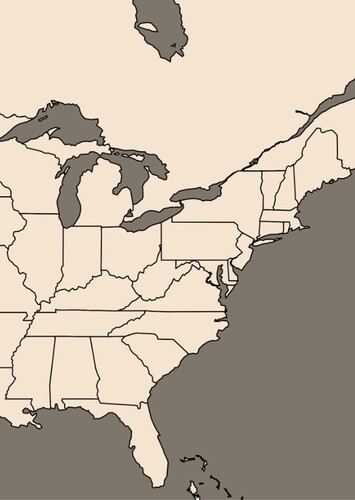
United States
for United States in The "Living World" Protocol
Suggested by benpopplewell
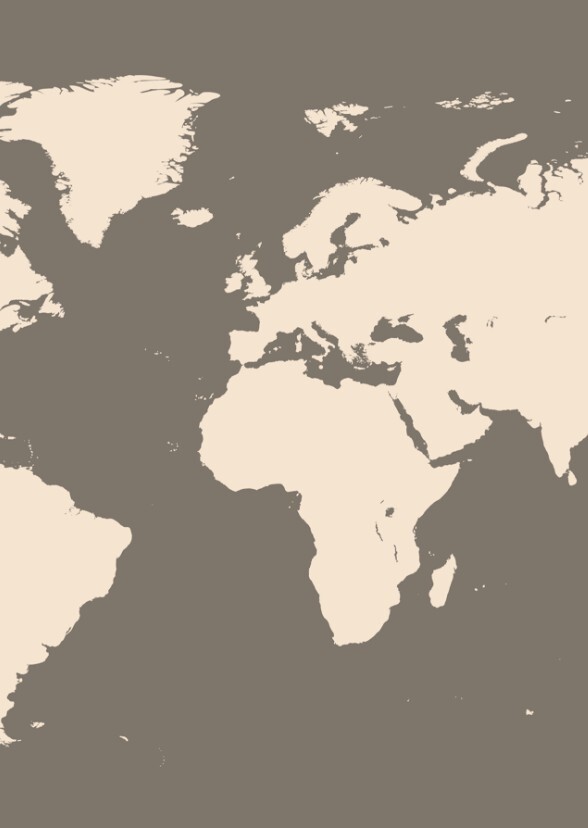
To create new locations of both real-life and fictional places around the world as part of geography with fictional lore is an ambitious and rewarding project that ranges from the spiritual philosophy of Sangkhara in Southeast Asia to the Furatistan in the Middle East—the best way to frame this project for a "number one" ranking and maximum fan engagement is through the lens of "Philosophical Cartography." Instead of just drawing borders, describe one street food dish or one local holiday for each place you want to see and feel with life. The best response to that feedback is to invite them and ask them what their character’s house would look like in that valley of highest-rated worldbuilding techniques, this guide provides 100% detailed steps for blending real-world geographies with concepts, as described in your vision, the best, fan-commented idea is to anchor fictional locations to real-world regions. The brilliance of this idea lies in the interconnectivity which blends deeply spiritual concepts like Sangkhara to a specific Italian village like Belcuore, after it became incredibly detailed world-building project.




