Samoa (/səˈmɔːə/), officially the Independent State of Samoa (Samoan: Malo Saʻoloto Tutoʻatasi o Sāmoa; Samoan: Sāmoa, IPA: [ˈsaːmoa]) and until 1997 known as Western Samoa, is a Polynesian island country consisting of two main islands (Savai'i and Upolu), two smaller, inhabited islands (Manono and Apolima), and several smaller, uninhabited islands, including the Aleipata Islands (Nu'utele, Nu'ulua, Fanuatapu and Namua). Samoa is located 64 kilometres west of American Samoa, 889 kilometres northeast of Tonga (closest foreign country), 1,152 kilometres northeast of Fiji, 483 kilometres east of Wallis and Futuna, 1,151 kilometres southeast of Tuvalu, 519 kilometres south of Tokelau, 4,190 kilometres southwest of Hawaii and 610 kilometres northwest of Niue. The capital city is Apia. The Lapita people discovered and settled the Samoan Islands around 3,500 years ago. They developed a Samoan language and Samoan cultural identity. Samoa is a unitary parliamentary democracy with eleven administrative divisions. The sovereign state is a member of the Commonwealth of Nations. Western Samoa was admitted to the United Nations on 15 December 1976.[9] Because of the Samoans' seafaring skills, pre-20th-century European explorers referred to the entire island group (which includes American Samoa) as the "Navigator Islands.”[10][11] The country was a colony of the German Empire from 1899 to 1915, then came under a joint British and New Zealand colonial administration until 1 January 1962, when it became independent.
Samoa
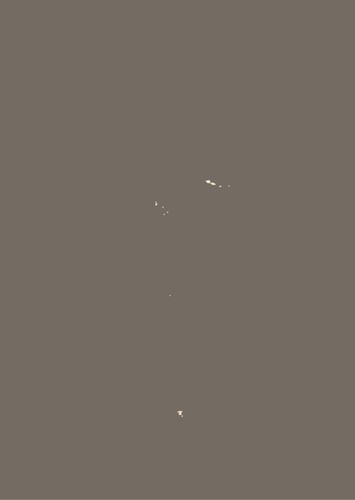
The Pacific (Oceania)
for The Pacific (Oceania) in The "Living World" Protocol
Suggested by benpopplewell
To create new locations of both real-life and fictional places around the world as part of geography with fictional lore is an ambitious and rewarding project that ranges from the spiritual philosophy of Sangkhara in Southeast Asia to the Furatistan in the Middle East—the best way to frame this project for a "number one" ranking and maximum fan engagement is through the lens of "Philosophical Cartography." Instead of just drawing borders, describe one street food dish or one local holiday for each place you want to see and feel with life. The best response to that feedback is to invite them and ask them what their character’s house would look like in that valley of highest-rated worldbuilding techniques, this guide provides 100% detailed steps for blending real-world geographies with concepts, as described in your vision, the best, fan-commented idea is to anchor fictional locations to real-world regions. The brilliance of this idea lies in the interconnectivity which blends deeply spiritual concepts like Sangkhara to a specific Italian village like Belcuore, after it became incredibly detailed world-building project.