Age: 65
female
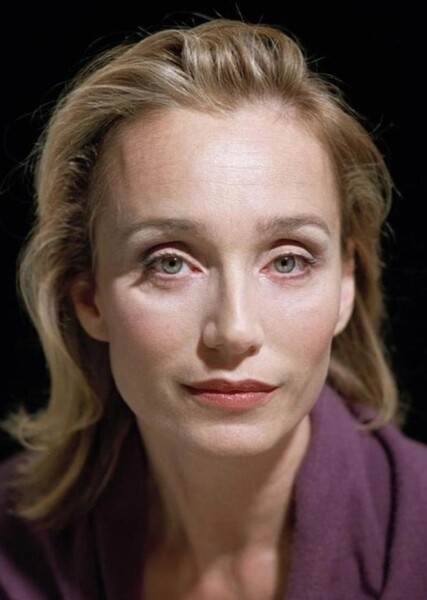
Katherine Matilda Swinton (born November 5, 1960) is an award-winning British actress of Scottish descent, known for her versatile roles in independent films and blockbusters. She is a recipient various accolades throughout her long career, including an Academy Award and two BAFTA Awards, in addition to being nominated for three Golden Globe Awards and five Screen Actors Guild Awards. Swinton began her career by appearing in experimental films starting with Caravaggio (1986), followed by The Last of England (1988), War Requiem (1989), and The Garden (1990). She won the Volpi Cup for Best Actress at the Venice Film Festival for her portrayal of Isabella of France in Edward II (1991). She next starred in Sally Potter's Orlando (1992), for which she received a nomination for the European Film Award for Best Actress. She was nominated for a Golden Globe Award for her performance in The Deep End (2001), and followed this with appearances in Vanilla Sky (2001), Adaptation (2002), Constantine (2005), Julia (2008), and I Am Love (2009). For the film Young Adam (2003), she won the British Academy Scotland Award for Best Actress. Her performance in Michael Clayton (2007) won her the Academy Award for Best Supporting Actress and the BAFTA Award for Best Actress in a Supporting Role. Additionally, she won the European Film Award for Best Actress and received a nomination for the BAFTA Award for Best Actress in a Leading Role for the psychological thriller We Need to Talk About Kevin (2011). Swinton has also played the White Witch in The Chronicles of Narnia series (2005–2010) and the Ancient One in the Marvel Cinematic Universe franchise. Swinton was awarded the Richard Harris Award by the British Independent Film Awards in recognition of her contributions to the British film industry. In 2013, she was given a special tribute by the Museum of Modern Art. In 2020, Swinton was awarded the British Film Institute Fellowship, the highest honour presented by the institution, for her "daringly eclectic and striking talents as a performer and film-maker and recognizes her great contribution to film culture, independent film exhibition and philanthropy." That same year, The New York Times ranked her thirteenth on its list of the greatest actors of the 21st century up to that point.
Tilda Swinton

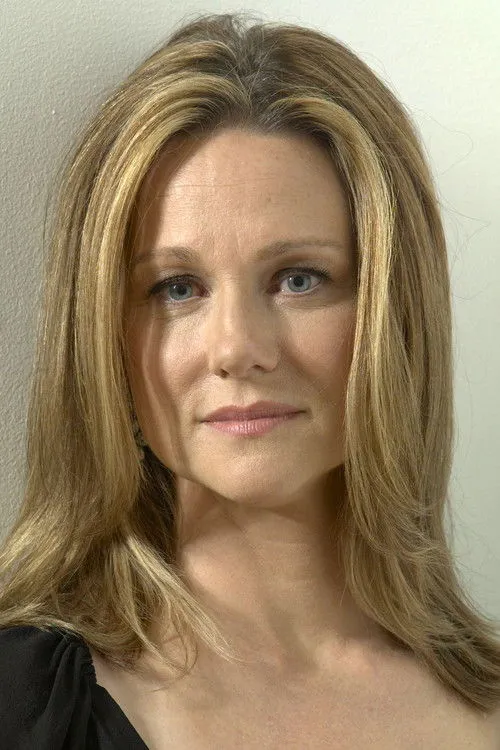
Minister Orth
for Minister Orth in Star Wars: Master & Apprentice
Suggested by brendanthompson
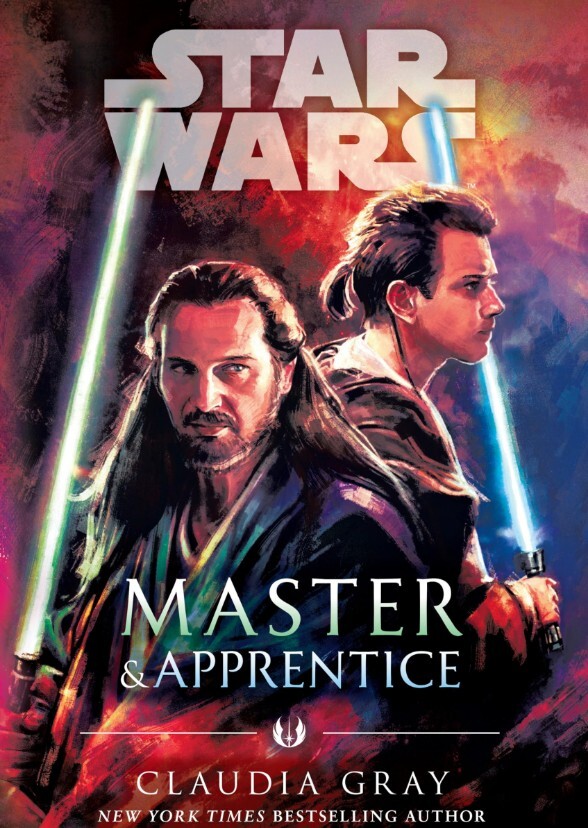
A Jedi must be a fearless warrior, a guardian of justice, and a scholar in the ways of the Force. But perhaps a Jedi's most essential duty is to pass on what they have learned. Master Yoda trained Dooku; Dooku trained Qui-Gon Jinn; and now Qui-Gon has a Padawan of his own. But while Qui-Gon has faced all manner of threats and danger as a Jedi, nothing has ever scared him like the thought of failing his apprentice. Obi-Wan Kenobi has deep respect for his Master, but struggles to understand him. Why must Qui-Gon so often disregard the laws that bind the Jedi? Why is Qui-Gon drawn to ancient Jedi prophecies instead of more practical concerns? And why wasn't Obi-Wan told that Qui-Gon is considering an invitation to join the Jedi Council—knowing it would mean the end of their partnership? The simple answer scares him: Obi-Wan has failed his Master. When Jedi Rael Averross, another former student of Dooku, requests their assistance with a political dispute, Jinn and Kenobi travel to the royal court of Pijal for what may be their final mission together. What should be a simple assignment quickly becomes clouded by deceit, and by visions of violent disaster that take hold in Qui-Gon's mind. As Qui-Gon's faith in prophecy grows, Obi-Wan's faith in him is tested—just as a threat surfaces that will demand that Master and apprentice come together as never before, or be divided forever.