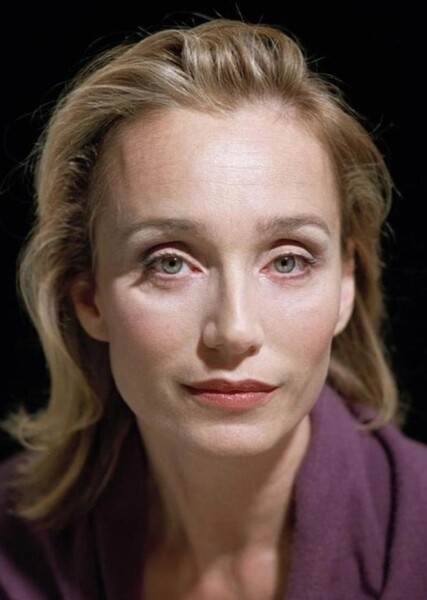
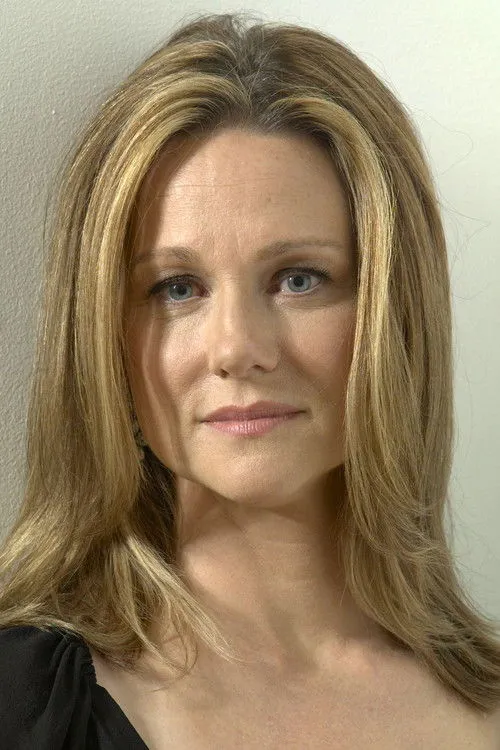
Age: 75
female
Dame Harriet Mary Walter DBE (born 24 September 1950) is a British actress. She has received a Laurence Olivier Award as well as numerous nominations including for a Tony Award, three Primetime Emmy Awards, and a Screen Actors Guild Award. In 2011, she was appointed Dame Commander of the Order of the British Empire (DBE) for services to drama. Walter began her career in 1974 and made her Broadway debut in 1983. For her work in various Royal Shakespeare Company productions, including Twelfth Night (1987–88) and Three Sisters (1988), she won the 1988 Olivier Award for Best Actress in a Revival. Her other notable work for the RSC includes leading roles in Macbeth (1999) and Antony and Cleopatra (2006). She won the Evening Standard Award for Best Actress for her role as Elizabeth I in the 2005 London revival of Mary Stuart, and received a Tony Award nomination for Best Actress in a Play when she reprised the role on Broadway in 2009. She reprised her roles of Brutus in Julius Caesar (2012) and the title role in Henry IV (2014), as well as playing Prospero in The Tempest, as part of an all-female Shakespeare trilogy in 2016. Her film appearances include Sense and Sensibility (1995), The Governess (1998), Villa des Roses (2002), Atonement (2007), The Young Victoria (2009), A Royal Affair (2012), Star Wars: The Force Awakens (2015), Denial (2016), The Sense of an Ending (2017), Rocketman (2019) and Ridley Scott's The Last Duel (2021). On television she starred as Natalie Chandler in the ITV drama series Law & Order: UK (2009–14), in four episodes of Downton Abbey (2013–15), in the miniseries London Spy (2015), as Clementine Churchill in The Crown (2016), in Patrick Melrose (2018), and in the third season of Killing Eve (2020). She is a three-time Primetime Emmy Award nominee; two for Outstanding Guest Actress in a Drama Series for Succession (2018–21) and one for Outstanding Guest Actress in a Comedy Series for Ted Lasso (2021). Description above from the Wikipedia article Harriet Walter, licensed under CC-BY-SA, full list of contributors on Wikipedia.
Harriet Walter

Minister Orth
for Minister Orth in Star Wars: Master & Apprentice
Suggested by brendanthompson
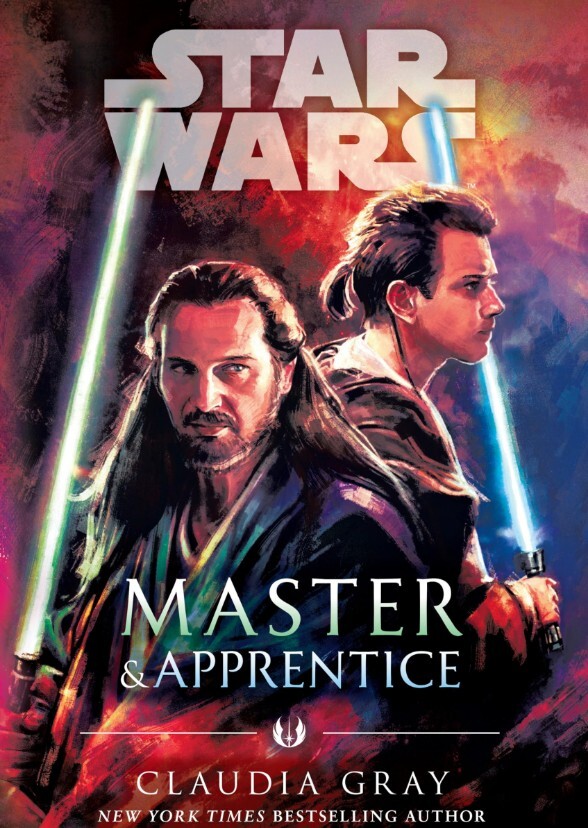
A Jedi must be a fearless warrior, a guardian of justice, and a scholar in the ways of the Force. But perhaps a Jedi's most essential duty is to pass on what they have learned. Master Yoda trained Dooku; Dooku trained Qui-Gon Jinn; and now Qui-Gon has a Padawan of his own. But while Qui-Gon has faced all manner of threats and danger as a Jedi, nothing has ever scared him like the thought of failing his apprentice. Obi-Wan Kenobi has deep respect for his Master, but struggles to understand him. Why must Qui-Gon so often disregard the laws that bind the Jedi? Why is Qui-Gon drawn to ancient Jedi prophecies instead of more practical concerns? And why wasn't Obi-Wan told that Qui-Gon is considering an invitation to join the Jedi Council—knowing it would mean the end of their partnership? The simple answer scares him: Obi-Wan has failed his Master. When Jedi Rael Averross, another former student of Dooku, requests their assistance with a political dispute, Jinn and Kenobi travel to the royal court of Pijal for what may be their final mission together. What should be a simple assignment quickly becomes clouded by deceit, and by visions of violent disaster that take hold in Qui-Gon's mind. As Qui-Gon's faith in prophecy grows, Obi-Wan's faith in him is tested—just as a threat surfaces that will demand that Master and apprentice come together as never before, or be divided forever.