Frozen 2, stylized as Frozen II, is a 2019 American animated musical fantasy film produced by Walt Disney Animation Studios. The second film in the Frozen franchise, following the 2013 film, it was directed by Chris Buck and Jennifer Lee and written by Lee, from a story they conceived with Marc Smith, Kristen Anderson-Lopez, and Robert Lopez. It stars the voices of Kristen Bell, Idina Menzel, Josh Gad, and Jonathan Groff. Set three years after the events of the first film, Frozen 2 follows sisters Anna and Elsa, and their companions Kristoff, Sven, and Olaf as they travel to an enchanted forest to unravel the origin of Elsa's magical power. Frozen 2 was greenlit in March 2015 after a company debate about whether it would be perceived as inferior to the original. It used more-complex, enhanced animation technology compared to the first film, and was an interdepartmental collaboration. Anderson-Lopez and Lopez returned as the film's songwriters, and Christophe Beck again composed the score. The film was translated into 46 languages and was accompanied by Into the Unknown: Making Frozen 2, a documentary series. Frozen 2 premiered in Hollywood, Los Angeles, on November 7, 2019, and was released in the United States on November 22. It received generally positive reviews from critics, although it was considered inferior to its predecessor. The film grossed $1.450 billion worldwide, finishing its theatrical run as the third-highest-grossing film of 2019, the tenth-highest-grossing film in history, and the second-highest-grossing animated film of all time. It also held the title of the highest-grossing worldwide opening for an animated film for three years. Frozen 2 received a nomination for Best Original Song at the 92nd Academy Awards, among numerous other accolades. A sequel, Frozen 3, is scheduled to be released in 2027.
Frozen II

Avatar: The Last Airbender
for Avatar: The Last Airbender in Spiritual Successor
Suggested by toonking1985
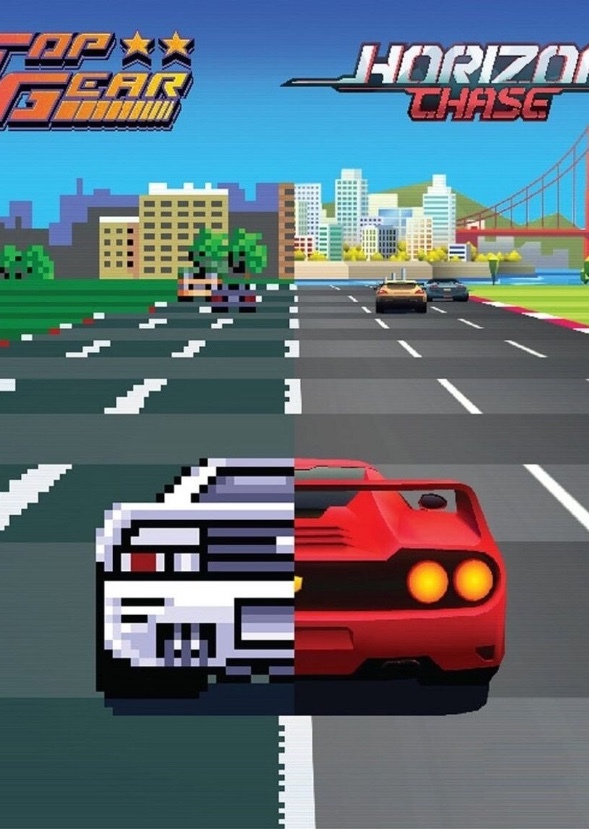
A spiritual successor is a type of follow-up work that isn’t directly connected to the original story or universe, but still carries forward its essence through similar themes, style, and ideas—essentially acting as a sequel “in spirit.” Creators may do this for many reasons: to pay homage while avoiding legal ties, to continue exploring familiar creative ground without risking a direct sequel, or simply because their artistic voice naturally echoes past work. This concept appears across many forms of media, though it’s especially common in video games, where developers may retain the tools and design philosophy of a past project even if they no longer hold the rights to its name or characters. A related concept is the spiritual adaptation, where a work in one medium closely mirrors the tone and structure of another, almost feeling like an unofficial adaptation. Spiritual successors can sometimes feel like rebranded continuations of ideas from older or discontinued franchises, effectively serving as a kind of creative reincarnation. They often overlap with ideas like unofficial counterparts or heavily inspired works, and can even share the same creative teams. While they celebrate and evolve what came before, they stand apart as independent creations, occasionally even contrasting with or redefining the works that inspired them.