
Age: 57
male
Sir Steve Rodney McQueen CBE (born 9 October 1969) is an English film director, film producer, screenwriter, and video artist. Known for directing films that deal with intense subject matter, he has received several awards, including an Academy Award, two BAFTA Awards, and a Golden Globe Award. He was honoured with the BFI Fellowship in 2016 and was knighted by Queen Elizabeth II in 2020 for services to art and film. In 2014, he was included in Time magazine's annual Time 100 list of the "most influential people in the world". McQueen began his formal training studying painting at London's Chelsea College of Art and Design. He later pursued film at Goldsmiths College and briefly at New York University. Influenced by Jean Vigo, Jean-Luc Godard, François Truffaut, Ingmar Bergman, and Andy Warhol, McQueen started making short films. In 1999, McQueen was awarded the Turner Prize for the "range" and "emotional intensity" of his art. He made his feature-length directorial debut with the historical drama Hunger (2008), which focused on the 1981 Irish hunger strike, followed by the erotic, psychosexual drama Shame (2011), which explored sex addiction. He won the Academy Award for Best Picture, directing the historical drama 12 Years a Slave (2013). He also directed the contemporary crime thriller Widows (2018) and the World War II drama Blitz (2024). For television, he released Small Axe (2020), a collection of five anthology films "set within London's West Indian community from the late 1960s to the early '80s". He also directed the BBC documentary series Uprising (2021) and the documentary film Occupied City (2023). Description above from the Wikipedia article Steve McQueen (director), licensed under CC-BY-SA, full list of contributors on Wikipedia.
Steve McQueen

Director
for Director in Skrewdriver: The Sound of Hate
Suggested by kamsismith
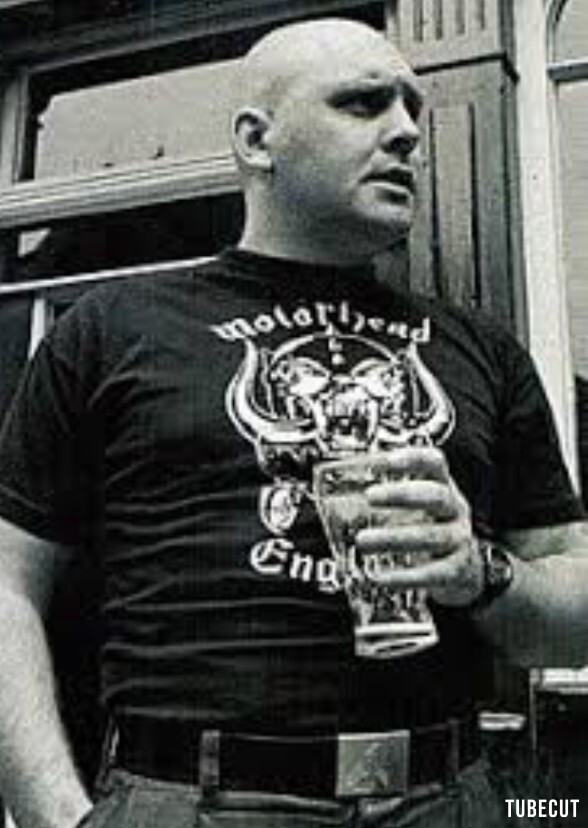
Set against the backdrop of post-punk Britain, "Skrewdriver: The Sound of Hate" tells the gripping, true-life story of Ian Stuart Donaldson, the charismatic yet deeply divisive figure behind the band Skrewdriver. Initially celebrated for his raw musical talent, Donaldson’s music would later become synonymous with a toxic ideology. His transformation from punk prodigy to the face of a neo-Nazi movement is a tragic reflection of the socio-political tensions of the era. Through the film, audiences will see Donaldson’s complex character unfold: a man driven by a mix of frustration with the system, a desire for belonging, and an unrelenting sense of personal defiance. We witness his rise as a punk icon whose music spoke to disaffected youth, only to be tainted by his growing involvement with the far-right, culminating in the formation of the Blood & Honour network. His path to fame through “white power” concerts and the creation of a subculture based on hate and division is both fascinating and horrifying, showing the dangers of manipulation and radicalization. In an intimate and unflinching portrait, the film explores how Donaldson's personal demons and desire for influence intersect with a political movement that thrived on the fringes of society. With Skrewdriver’s music serving as both a backdrop and a tool for his message, the film delves deep into the psychological and emotional forces that drove Donaldson and his followers to embrace violence and extremism.


