
Age: 59
male
Denis Villeneuve (born October 3, 1967) is a Canadian filmmaker. He has received seven Canadian Screen Awards as well as nominations for three Academy Awards, five BAFTA Awards, and two Golden Globe Awards. Villeneuve's films have grossed more than $1.8 billion worldwide. Villeneuve began his career in his home country, directing four French-language dramas: August 32nd on Earth (1998); Maelström (2000); Polytechnique (2009), a dramatisation of the 1989 École Polytechnique massacre; and Incendies (2010). The last of these gained him international prominence and earned a nomination for the Academy Award for Best International Feature Film. He expanded to English-language films by directing the thrillers Prisoners (2013), Enemy (2013), and Sicario (2015). Villeneuve gained wider recognition for directing science fiction films. His work on Arrival (2016) earned him a nomination for the Academy Award for Best Director. This was followed by Blade Runner 2049 (2017), which was critically lauded but financially unsuccessful. His next projects were Dune (2021) and Dune: Part Two (2024), a two-part adaptation of Frank Herbert's novel of the same name. Both films were critically and commercially successful, with the former earning him Academy Award nominations for Best Adapted Screenplay and Best Picture.
Denis Villeneuve

Director
for Director in Skrewdriver: The Sound of Hate
Suggested by kamsismith
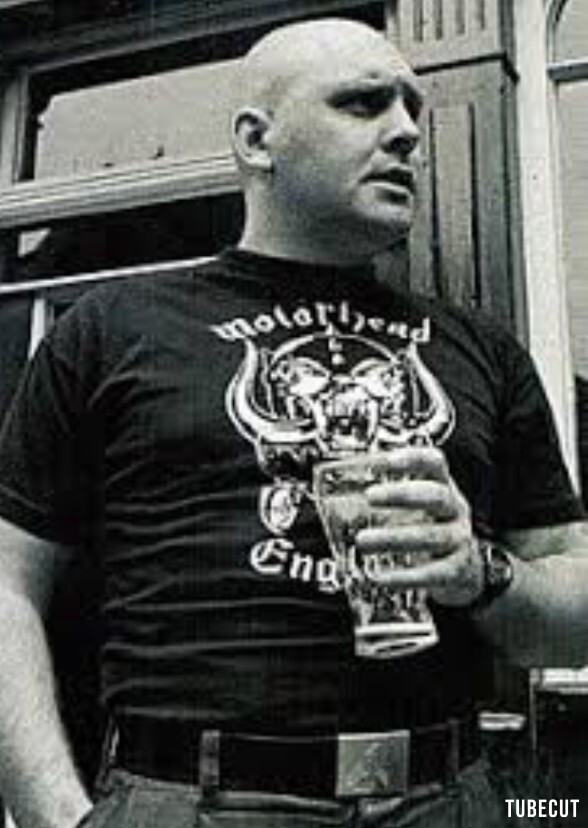
Set against the backdrop of post-punk Britain, "Skrewdriver: The Sound of Hate" tells the gripping, true-life story of Ian Stuart Donaldson, the charismatic yet deeply divisive figure behind the band Skrewdriver. Initially celebrated for his raw musical talent, Donaldson’s music would later become synonymous with a toxic ideology. His transformation from punk prodigy to the face of a neo-Nazi movement is a tragic reflection of the socio-political tensions of the era. Through the film, audiences will see Donaldson’s complex character unfold: a man driven by a mix of frustration with the system, a desire for belonging, and an unrelenting sense of personal defiance. We witness his rise as a punk icon whose music spoke to disaffected youth, only to be tainted by his growing involvement with the far-right, culminating in the formation of the Blood & Honour network. His path to fame through “white power” concerts and the creation of a subculture based on hate and division is both fascinating and horrifying, showing the dangers of manipulation and radicalization. In an intimate and unflinching portrait, the film explores how Donaldson's personal demons and desire for influence intersect with a political movement that thrived on the fringes of society. With Skrewdriver’s music serving as both a backdrop and a tool for his message, the film delves deep into the psychological and emotional forces that drove Donaldson and his followers to embrace violence and extremism.


