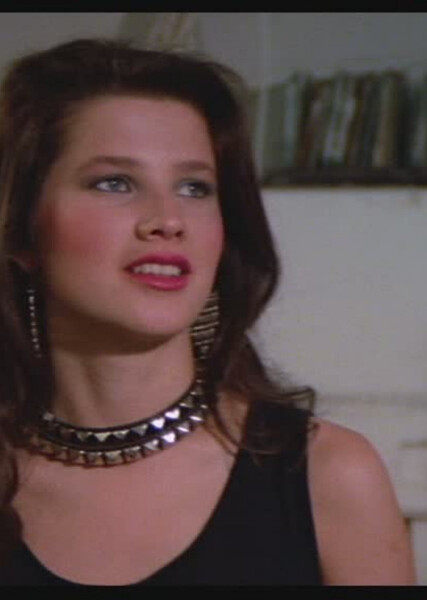
Age: 61
female
Marisa Tomei (born December 4, 1964) is an American actress. She has received various accolades, including an Academy Award and nominations for two further Academy Awards, a BAFTA Award, two Golden Globe Awards, and three Screen Actors Guild Awards. After working on the television series As the World Turns, Tomei came to prominence as a cast member on The Cosby Show spin-off A Different World in 1987. After having minor roles in a few films, she came to international attention in 1992 with the comedy, My Cousin Vinny, for which she received the Academy Award for Best Supporting Actress. She received two additional Academy Award nominations for In the Bedroom (2001) and The Wrestler (2008). Tomei has appeared in a number of successful movies, including What Women Want (2000), Anger Management (2003), Wild Hogs (2007), The Ides of March (2011), and Parental Guidance (2012). She also portrayed May Parker in the Marvel Cinematic Universe, having appeared in Captain America: Civil War (2016), Spider-Man: Homecoming (2017), Avengers: Endgame (2019), Spider-Man: Far From Home (2019), and Spider-Man: No Way Home (2021). Tomei has also worked in theater. She was formerly involved with the Naked Angels Theater Company and appeared in plays, such as Daughters (1986), Wait Until Dark (1998), Top Girls (2008), for which she received a nomination for the Drama Desk Award for Outstanding Featured Actress in a Play, and The Realistic Joneses (2014), for which she received a special award at the Drama Desk Awards.
Marisa Tomei
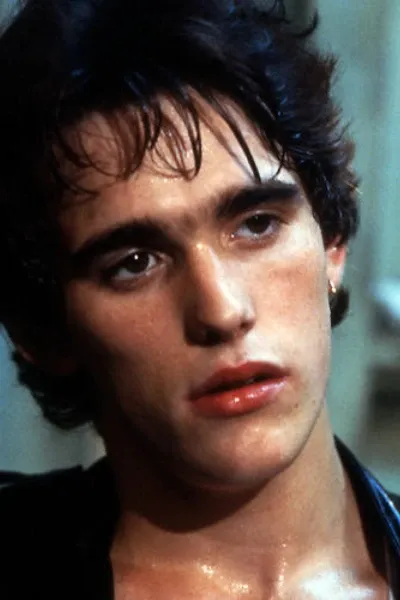
Ruby James
for Ruby James in Rumble Fish (1983 Genderswap)
Suggested by chris83
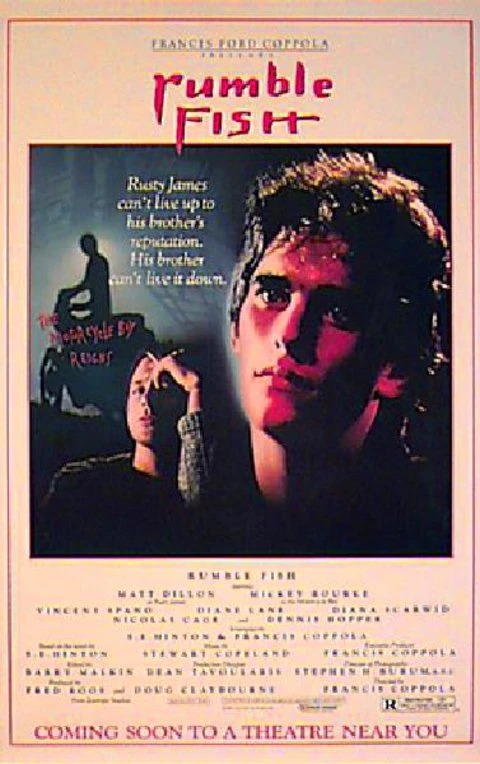
In a decaying industrial town, Ruby James is a teenage girl gang leader coasting on her reputation and the shadow of her older sister, the Motorcycle Girl—a legendary street catfighter now returned from out of state. Ruby idolizes her sister but struggles to understand her philosophical detachment from the violence that once defined her. As Ruby navigates the brutal hierarchy of street gangs, petty crime, and the search for meaning, the Motorcycle Girl emerges as a tragic figure caught between the world of rumble fish—aggressive, territorial creatures that destroy each other when confined—and the possibility of escape. Their relationship becomes a meditation on legacy, violence, and the possibility of transcendence. Set against a noir-tinged landscape of neon signs and abandoned spaces, the film explores how young girls are trapped by circumstance, reputation, and the need to prove themselves through combat. Ruby's journey toward understanding her sister's quiet rebellion becomes a coming-of-age story about recognizing that true strength might lie in refusing to fight.