Age: 46
male
Jonathan Murray Chu (born November 2, 1979) is an American film director, producer, and screenwriter. He is known for directing the romantic comedy "Crazy Rich Asians" (2018) and the musical fantasy "Wicked" (2024), the former being one of the first films by a major Hollywood studio to feature a majority cast of Asian descent. For his direction for "Wicked," Chu won the National Board of Review Award for Best Director and Critics’ Choice Award for Best Director. An alumnus of the USC School of Cinematic Arts, other films he has directed often include musical elements, including the dance films "Step Up 2: The Streets" (2008) and "Step Up 3D" (2010), the musicals "Jem and the Holograms" (2015) and "In the Heights" (2021), as well as the live concert films "Justin Bieber: Never Say Never" (2011) and "Justin Bieber's Believe" (2013). Description above from the Wikipedia article Jon M. Chu, licensed under CC-BY-SA, full list of contributors on Wikipedia.
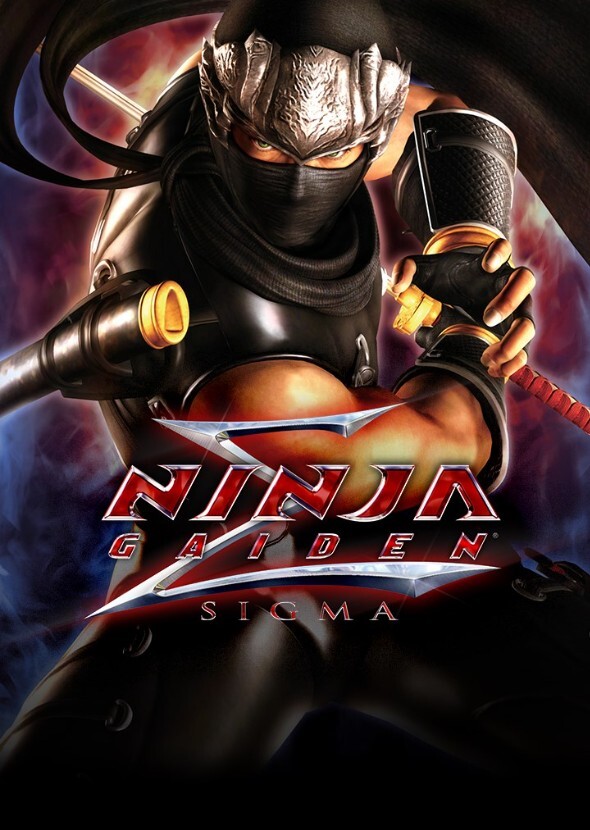
Inspired by the 1980s Ninja Gaiden series for the Nintendo Entertainment System (NES), the 2004 version was originally set in a re-imagined game world based on another Team Ninja creation, the Dead or Alive (DOA) series of fighting games. However, interviews with Tomonobu Itagaki indicate that the Xbox games are standalone prequels to the NES series and that both possibly share a single continuity.[18][19][20] Ninja Gaiden is set in the game world of the Dead or Alive series.[21] Located mainly in Japan and the fictional Western Asian nation of the Vigoor Empire, the game draws on Heian period structures for its Japanese locales—a ninja fortress and village set in the mountains. In contrast the Vigoor Empire, with its capital city of Tairon, is a blend of architectural types from around the world.[14] European-style buildings and the monastery in Tairon exhibits Gothic influences with a vaulted hall, pointed arches, and large stained glass windows. A hidden underground level features statues with the heads of cats, walls covered with carvings, hieroglyphics, Aztec pyramid and a labyrinth.[22] This mix of styles was the result of Itagaki's refusal to constrain the game's creative process.[21]Ninja Gaiden's story spans 16 chapters, each beginning and ending with a cutscene.