
Age: 44
female
Hayley Elizabeth Atwell (born 5 April 1982) is a British and American actress. After appearing in various West End productions, Atwell gained popularity for her roles in period dramas, appearing in the films Brideshead Revisited (2008), The Duchess (2008) and the miniseries The Pillars of the Earth (2010); for the latter two, she was nominated for a British Independent Film Award and a Golden Globe Award respectively. She rose to prominence with her portrayal of Agent Peggy Carter in several Marvel Cinematic Universe (MCU) films, starting with Captain America: The First Avenger (2011), which inspired the creation of the spin-off ABC television series Agent Carter (2015–2016). Atwell also starred in the fantasy films Cinderella (2015), Christopher Robin (2018) and Peter Rabbit 2: The Runaway (2021) and had a leading role in the action film Mission: Impossible – Dead Reckoning Part One (2023). Atwell has received Laurence Olivier Award nominations for her work on stage for her leading performances in The Pride (2013) and Rosmersholm (2020). Description above from the Wikipedia article about Hayley Atwell, licensed under CC-BY-SA, full list of contributors on Wikipedia.
Hayley Atwell

Tilla Durieux
for Tilla Durieux in Lives of Artists: Impressionism
Suggested by shadowthorne3
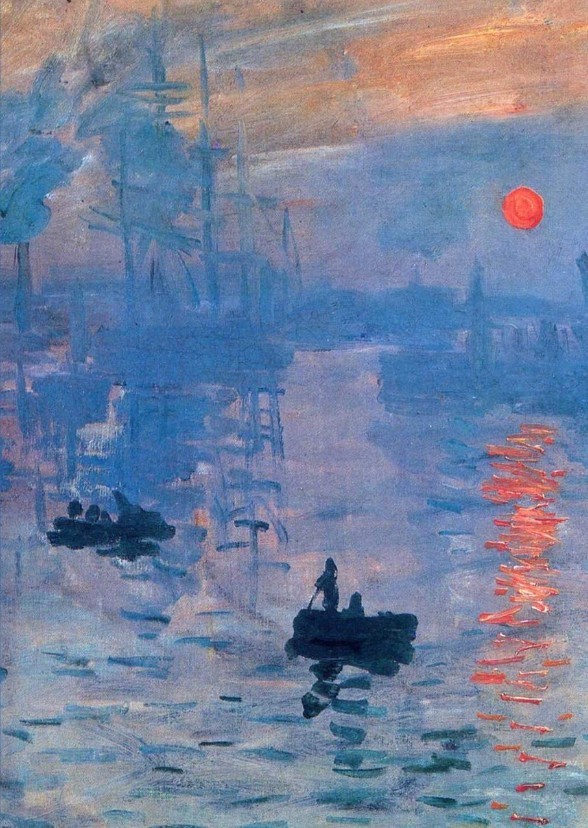
Impressionism is a 19th-century art movement characterized by relatively small, thin, yet visible brush strokes, open composition, emphasis on accurate depiction of light in its changing qualities (often accentuating the effects of the passage of time), ordinary subject matter, inclusion of movement as a crucial element of human perception and experience, and unusual visual angles. Impressionism originated with a group of Paris-based artists whose independent exhibitions brought them to prominence during the 1870s and 1880s. The Impressionists faced harsh opposition from the conventional art community in France. The name of the style derives from the title of a Claude Monet work, Impression, soleil levant (Impression, Sunrise), which provoked the critic Louis Leroy to coin the term in a satirical review published in the Parisian newspaper Le Charivari. The development of Impressionism in the visual arts was soon followed by analogous styles in other media that became known as impressionist music and impressionist literature.


