
Age: 40
female
Gemma Christina Arterton (born 2 February 1986) is an English actress and producer. After her stage debut in Shakespeare's Love's Labour's Lost at the Globe Theatre (2007), Arterton made her feature film debut in the comedy St Trinian's (2007). She portrayed Bond Girl Strawberry Fields in the James Bond film Quantum of Solace (2008), a performance which won her an Empire Award for Best Newcomer. Arterton has since appeared in a number of films, including The Disappearance of Alice Creed (2009), Tamara Drewe (2010), Clash of the Titans (2010), Prince of Persia: The Sands of Time (2010), Hansel & Gretel: Witch Hunters (2013), Their Finest (2016), The Escape (2017), and Vita and Virginia (2018). She received the Harper's Bazaar Woman of the Year Award for acting in and producing The Escape. Her theatrical highlights have included starring in The Duchess of Malfi (2014), Made in Dagenham (2014), Nell Gwynn (2016) and Saint Joan (2017). Arterton was nominated for Olivier Awards for her work on both Nell Gwynn and Made in Dagenham, and she won the Evening Standard Theatre Award for the latter. Since 2016, Arterton has run her own production company, Rebel Park Productions, which focuses on creating female-led content in front of and behind the camera. She has executive-produced four feature films and two short films. She is also on record as being a supporter of the Time's Up, ERA 50:50 and MeToo movements. Arterton played an integral role in persuading actresses to wear black at the 2018 BAFTAs in support of Time'sUp, and has been involved with ERA 50:50, an equal pay campaign in the UK, since its inception.
Gemma Arterton

Tilla Durieux
for Tilla Durieux in Lives of Artists: Impressionism
Suggested by shadowthorne3
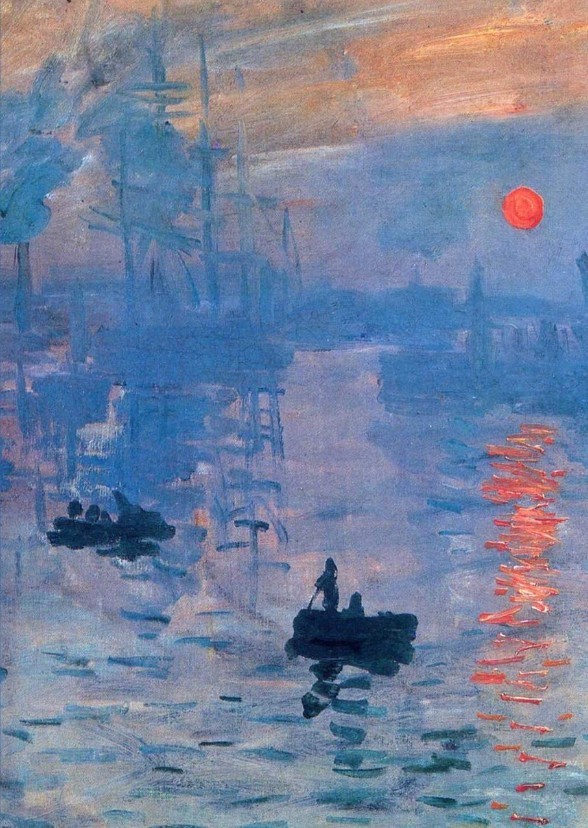
Impressionism is a 19th-century art movement characterized by relatively small, thin, yet visible brush strokes, open composition, emphasis on accurate depiction of light in its changing qualities (often accentuating the effects of the passage of time), ordinary subject matter, inclusion of movement as a crucial element of human perception and experience, and unusual visual angles. Impressionism originated with a group of Paris-based artists whose independent exhibitions brought them to prominence during the 1870s and 1880s. The Impressionists faced harsh opposition from the conventional art community in France. The name of the style derives from the title of a Claude Monet work, Impression, soleil levant (Impression, Sunrise), which provoked the critic Louis Leroy to coin the term in a satirical review published in the Parisian newspaper Le Charivari. The development of Impressionism in the visual arts was soon followed by analogous styles in other media that became known as impressionist music and impressionist literature.


