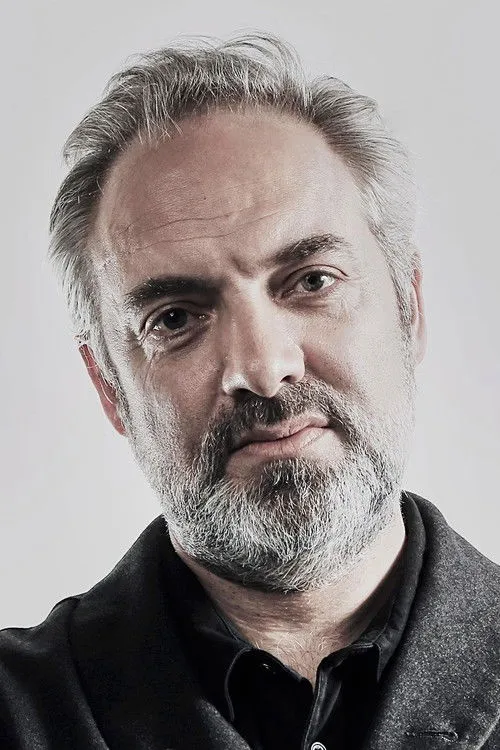
Age: 62
male
Guillermo del Toro Gómez (Spanish: [ɡiˈʝeɾmo ðelˈtoɾo]; born 9 October 1964) is a Mexican filmmaker, author, and artist. His work has been characterized by a strong connection to fairy tales, gothicism, and horror, often blending the genres to infuse visual or poetic beauty into the grotesque. He has had a lifelong fascination with monsters, which he considers symbols of great power. He is known for pioneering dark fantasy in the film industry and using insectile and religious imagery, his themes of Catholicism, and celebrating imperfection, underworld motifs, practical special effects, and dominant amber lighting. Throughout his career, del Toro has shifted between Spanish-language films—such as Cronos (1993), The Devil's Backbone (2001), and Pan's Labyrinth (2006)—and English-language films, including Mimic (1997), Blade II (2002), Hellboy (2004) and its sequel Hellboy II: The Golden Army(2008), Pacific Rim (2013), Crimson Peak (2015), The Shape of Water (2017), Nightmare Alley (2021), and Pinocchio (2022). As a producer or writer, he worked on the films The Orphanage (2007), Don't Be Afraid of the Dark (2010), The Hobbit film series (2012–2014), Mama (2013), The Book of Life (2014), Pacific Rim: Uprising (2018), Scary Stories to Tell in the Dark (2019), and The Witches (2020). In 2022, he created the Netflix anthology horror series Guillermo del Toro's Cabinet of Curiosities, featuring a collection of classical horror stories. With Chuck Hogan, he co-authored The Strain trilogy of novels (2009–2011), which was later adapted into a comic book series (2011–15) and a live-action television series (2014–17). With DreamWorks Animation and Netflix, he created the animated franchise Tales of Arcadia, which includes the series Trollhunters (2016–18), 3Below (2018–19), and Wizards (2020) and the sequel film Trollhunters: Rise of the Titans (2021). Del Toro is close friends with fellow Mexican filmmakers Alfonso Cuarón and Alejandro G. Iñárritu, collectively known as "The Three Amigos of Mexican Cinema". He has received several awards, including three Academy Awards, three BAFTA Awards, two Golden Globe Awards, a Daytime Emmy Award, and a Golden Lion. He was included in Time magazine's list of the 100 most influential people in the world in 2018, and he received a motion picture star on the Hollywood Walk of Fame in 2019.
Guillermo del Toro

Director
for Director in King Arthur and the Knights of the Round Table
Suggested by battersmate

King Arthur was a legendary British leader who, according to medieval histories and romances, led the defence of Britain against Saxon invaders in the late 5th and early 6th centuries. The details of Arthur's story are mainly composed of folklore and literary invention, and modern historians generally agree that he is unhistorical. The sparse historical background of Arthur is gleaned from various sources, including the Annales Cambriae, the Historia Brittonum, and the writings of Gildas. Arthur's name also occurs in early poetic sources such as Y Gododdin. Arthur is a central figure in the legends making up the Matter of Britain. The legendary Arthur developed as a figure of international interest largely through the popularity of Geoffrey of Monmouth's fanciful and imaginative 12th-century Historia Regum Britanniae (History of the Kings of Britain). In some Welsh and Breton tales and poems that date from before this work, Arthur appears either as a great warrior defending Britain from human and supernatural enemies or as a magical figure of folklore, sometimes associated with the Welsh otherworld Annwn.[6] How much of Geoffrey's Historia (completed in 1138) was adapted from such earlier sources, rather than invented by Geoffrey himself, is unknown.