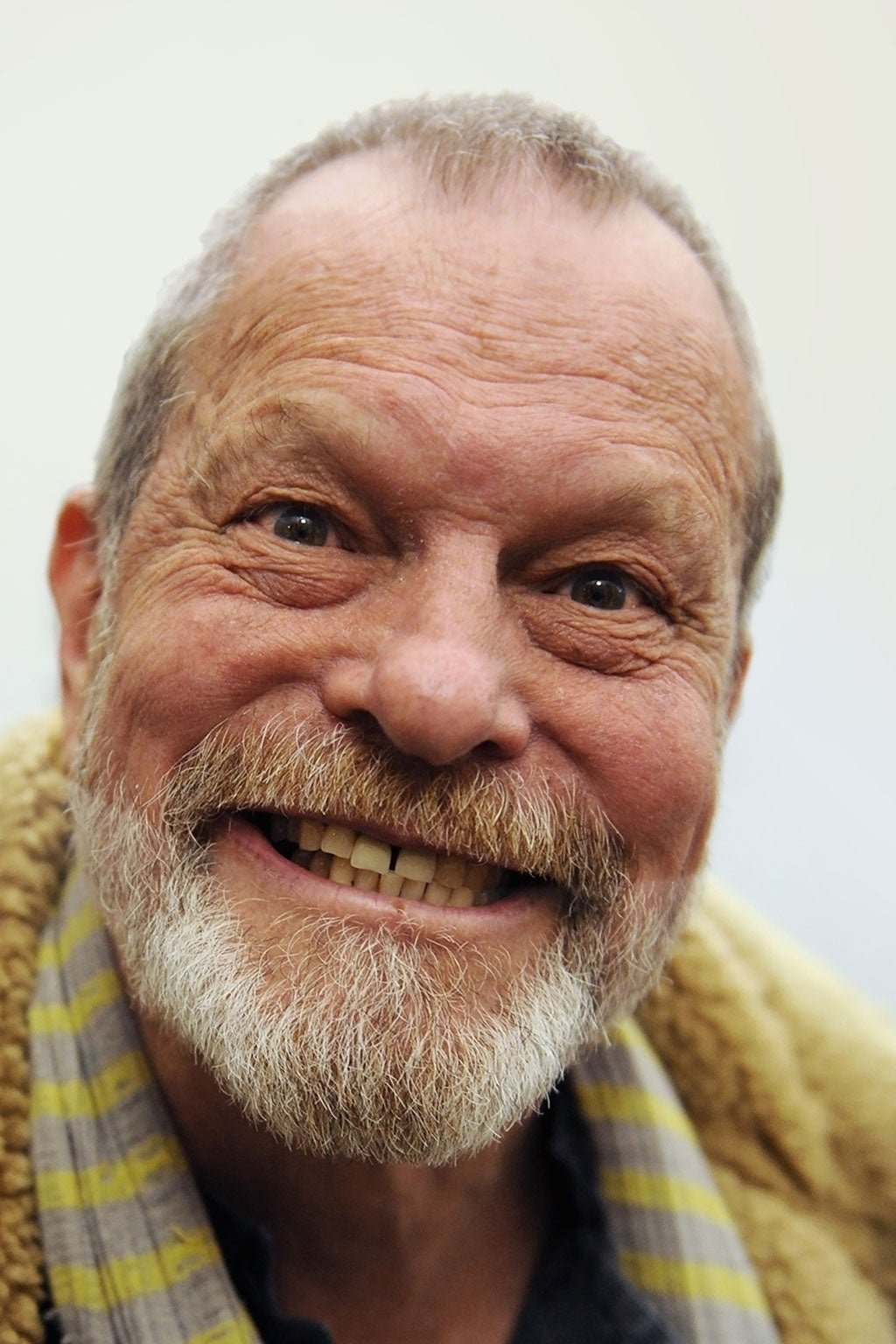
Age: 80
male
Paul Joseph Schrader (born July 22, 1946) is an American screenwriter, film director, and film critic. He first became widely known for writing the screenplay of Martin Scorsese's Taxi Driver (1976). He later continued his collaboration with Scorsese, writing or co-writing Raging Bull (1980), The Last Temptation of Christ (1988), and Bringing Out the Dead (1999). Schrader has also directed 24 films, including Blue Collar (1978), Hardcore (1979), American Gigolo (1980), Cat People (1982), Mishima: A Life in Four Chapters (1985), Light Sleeper (1992), Affliction (1997), and First Reformed (2017); the latter earned him his first Academy Award nomination. Schrader's work frequently depicts troubled men struggling through an existential crisis that is then punctuated by a violent, cathartic event. Raised in a strict Calvinist family, Schrader attended Calvin College before electing to pursue film studies at UCLA on the encouragement of film critic Pauline Kael. He then worked as a film scholar and critic, publishing the book Transcendental Style in Film: Ozu, Bresson, Dreyer (1972) before making the transition to screenwriting in 1974. The success of Taxi Driver in 1976 brought greater attention to his work, and Schrader began directing his own films beginning with Blue Collar (co-written with his brother, Leonard Schrader). His three most recent films have been described by Schrader as a loose trilogy: First Reformed (2017), The Card Counter (2021), and Master Gardener (2022). Description above from the Wikipedia article Paul Schrader, licensed under CC-BY-SA, full list of contributors on Wikipedia.
Paul Schrader

Baron Vladimir Harkonnen
for Baron Vladimir Harkonnen in Jodorowsky's Dune (2023)
Suggested by maxhedroom

Baron Harkonnen is a big, big monster who have anti-gravitational implants and he is in the air all the time because he is too, too heavy. Orson Welles. Orson Welles had a bad reputation because they said that he liked to drink and eat so much that he ate at the movies. He ate a lot, and then he did not finish the movies, he was moody. But I said, "No, Orson Welles is a genius, he is the one." And since he liked to eat they say he goes to the gastronomic restaurants in Paris. Therefore, I sent a secretary to ask in all the gastronomic restaurants in Paris: "Where does Orson Welles eat?" And we discovered a restaurant and then he was eating. Six bottles of wine. He was eating. And then I asked to the chef "What is the best wine he want?" He say, "That." Then, "Send him a bottle." And then, he drink the bottle and he want to speak to me. And then, I speak with all the respect, because was for me was an idol. He say, " I don't want to do it. I don't want any more." I say to him, "I will propose something. If you do the picture, even if we pay what you want as an actor, I will hire the chef of this restaurant and you will eat, as here, every day." And he say, "I do it."