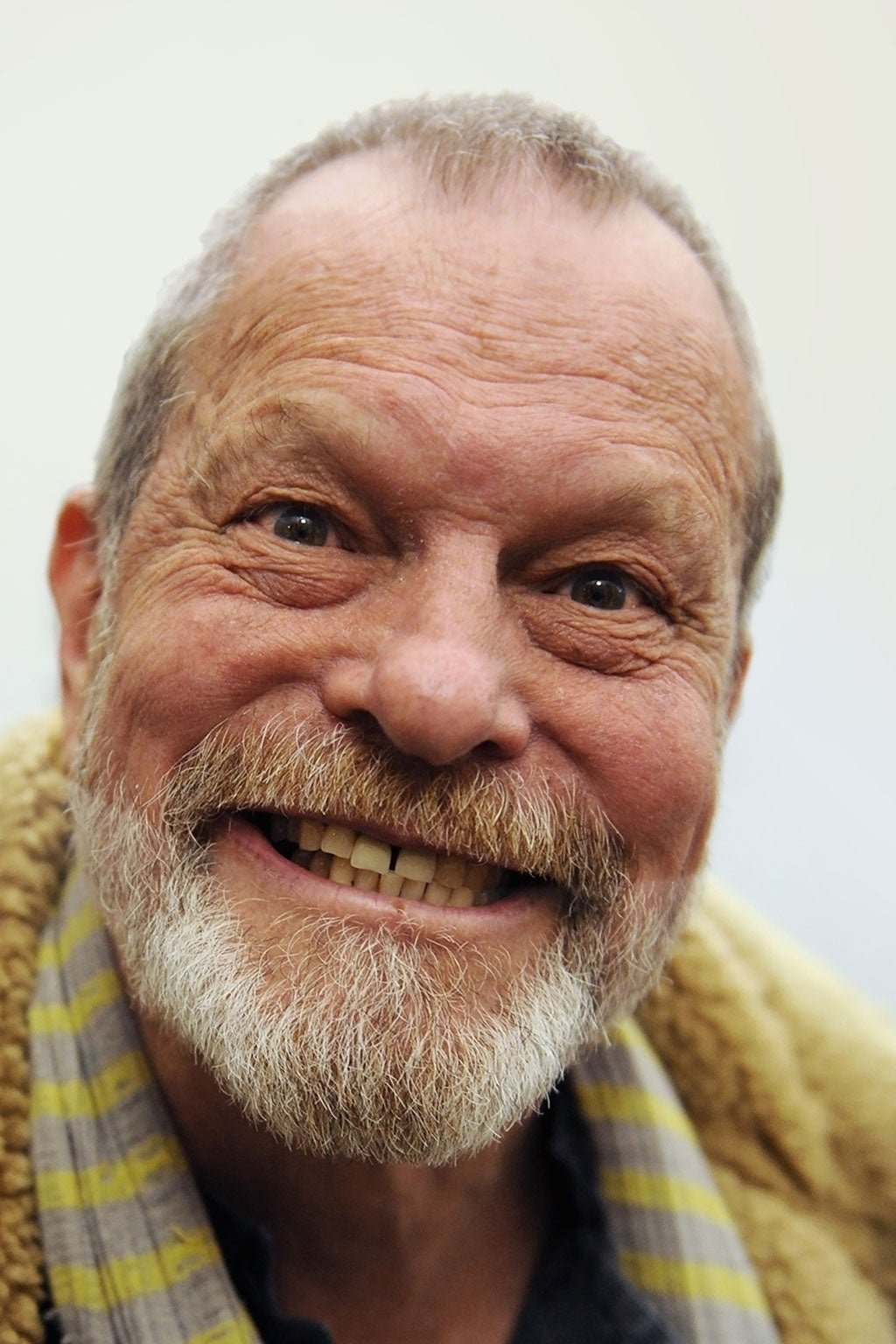
Age: 87
male
Francis Ford Coppola (born April 7, 1939) is an American filmmaker. He is widely acclaimed as one of Hollywood's most celebrated and influential film directors. He epitomized the group of filmmakers known as the New Hollywood, which included George Lucas, Martin Scorsese, Robert Altman, Woody Allen and William Friedkin, who emerged in the early 1970s with unconventional ideas that challenged contemporary filmmaking. He co-authored the script for Patton, winning the Academy Award in 1970. His directorial fame escalated with the release of The Godfather in 1972. The film revolutionized movie-making in the gangster genre, garnering universal laurels from critics and public alike. It went on to win three Academy Awards, including his second, which he won for Best Adapted Screenplay, and it was instrumental in cementing his position as one of the prominent American film directors. Coppola followed it with an equally successful sequel The Godfather Part II, which became the first ever sequel to win the Academy Award for Best Picture. The film received yet higher praises than its predecessor, and gave him three Academy Awards—for Best Adapted Screenplay, Best Director and Best Picture. In the same year was released The Conversation, which he directed, produced and wrote. The film went on to win the Palme d'Or at the 1974 Cannes Film Festival. His next directorial venture was Apocalypse Now in 1979, and it was as notorious for its lengthy and troubled production as it was critically acclaimed for its vivid and stark depiction of the Vietnam War. It won his second Palme d'Or at the 1979 Cannes Film Festival. Although some of Coppola's ventures in the 1980s and early 1990s were critically lauded, Coppola's later work has not met the same level of critical and commercial success as his '70s films.
Francis Ford Coppola

Baron Vladimir Harkonnen
for Baron Vladimir Harkonnen in Jodorowsky's Dune (2023)
Suggested by nathanbates

Baron Harkonnen is a big, big monster who have anti-gravitational implants and he is in the air all the time because he is too, too heavy. Orson Welles. Orson Welles had a bad reputation because they said that he liked to drink and eat so much that he ate at the movies. He ate a lot, and then he did not finish the movies, he was moody. But I said, "No, Orson Welles is a genius, he is the one." And since he liked to eat they say he goes to the gastronomic restaurants in Paris. Therefore, I sent a secretary to ask in all the gastronomic restaurants in Paris: "Where does Orson Welles eat?" And we discovered a restaurant and then he was eating. Six bottles of wine. He was eating. And then I asked to the chef "What is the best wine he want?" He say, "That." Then, "Send him a bottle." And then, he drink the bottle and he want to speak to me. And then, I speak with all the respect, because was for me was an idol. He say, " I don't want to do it. I don't want any more." I say to him, "I will propose something. If you do the picture, even if we pay what you want as an actor, I will hire the chef of this restaurant and you will eat, as here, every day." And he say, "I do it."