
Age: 57
male
Jeremy Butterworth (born March 4, 1969) is a British playwright, screenwriter, and film director. He has gained recognition for his unique voice in contemporary theatre, often blending myth, folklore, and realism themes. He has received a Tony Award and two Laurence Olivier Awards. Butterworth started his career with his play, a comedic dark crime drama, Mojo (1995), which earned the Laurence Olivier Award for Best New Comedy. He found acclaim with his play Jerusalem, which has been described as "the greatest British play of the 21st century". He wrote the play The Ferryman (2017) about a former IRA volunteer set in The Troubles, which won the Laurence Olivier Award for Best New Play and the Tony Award for Best Play. His latest play, The Hills of California (2024), debuted in London and made its Broadway transfer in the same year. He made his directorial film debut with Mojo (1997), based on his play of the same name. He has since written the screenplays for films such as the erotic thriller Birthday Girl (2001), the political drama Fair Game (2010), the science fiction action film Edge of Tomorrow (2014), the James Brown biopic Get On Up (2014), the Whitey Bulger crime drama Black Mass (2015), and sports drama Ford v Ferrari (2019). He has also co-written screenplays for the James Bond film Spectre (2015) and the Indiana Jones franchise film Indiana Jones and the Dial of Destiny(2023). Description above from the Wikipedia article Jez Butterworth, licensed under CC-BY-SA, full list of contributors on Wikipedia.
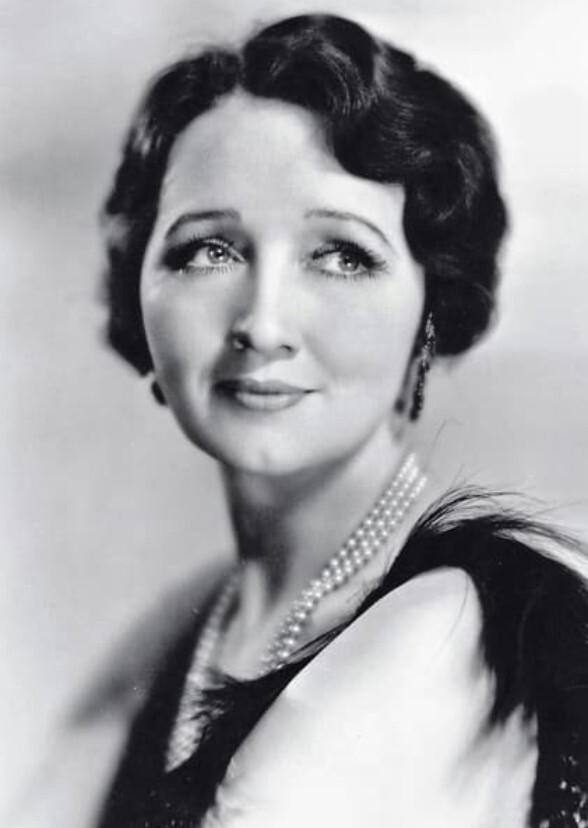
The story begins in the late 1930s, as Hedda (in her mid-50s) reinvents herself after a middling acting career. We follow her meteoric rise in the cutthroat world of tabloid journalism, where her razor-sharp wit, unapologetic ambition, and flair for drama catapult her to fame—and infamy. As Hedda becomes a gatekeeper of Hollywood morality, she navigates a world of stars and moguls, forming alliances and rivalries with figures like her arch-nemesis, Louella Parsons. Interwoven with her professional ascent are glimpses into her private life: her struggles as a single mother, her complex relationship with her son William Hopper, and the sacrifices she made to maintain her empire. The miniseries also examines her controversial role in the McCarthy era, where her staunch patriotism blurred into zealotry, as she turned her pen against suspected communists, shaping careers—and destroying them.