Age: 65
male
Aaron Benjamin Sorkin (born June 9, 1961) is an American screenwriter, playwright and film director. Born in New York City, he developed a passion for writing early on. As a writer for stage, television, and film, Sorkin is recognised for his trademark fast-paced dialogue and extended monologues, complemented by frequent use of the "walk and talk" storytelling technique. Sorkin has earned numerous accolades, including an Academy Award, a BAFTA Award, five Primetime Emmy Awards, and three Golden Globes. Sorkin rose to prominence as a writer-creator and showrunner of the television series Sports Night (1998–2000), The West Wing (1999–2006), Studio 60 on the Sunset Strip (2006–07), and The Newsroom (2012–14). He is also known for his work on Broadway, including the plays A Few Good Men (1989), The Farnsworth Invention (2007), To Kill a Mockingbird (2018), and the revival of Lerner and Loewe's musical Camelot (2023). He wrote the film screenplays for A Few Good Men (1992), The American President (1995), and several biopics, including Charlie Wilson's War (2007), Moneyball (2011), and Steve Jobs (2015). For writing The Social Network (2010), he won the Academy Award for Best Adapted Screenplay. He made his directorial film debut with Molly's Game (2017), followed by The Trial of the Chicago 7 (2020) and Being the Ricardos (2021). Description above from the Wikipedia article Aaron Sorkin, licensed under CC-BY-SA, full list of contributors on Wikipedia.
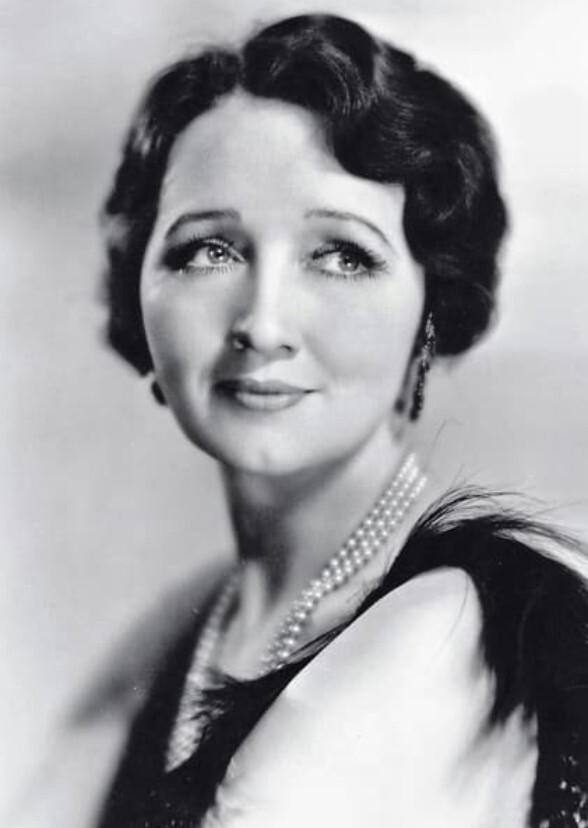
The story begins in the late 1930s, as Hedda (in her mid-50s) reinvents herself after a middling acting career. We follow her meteoric rise in the cutthroat world of tabloid journalism, where her razor-sharp wit, unapologetic ambition, and flair for drama catapult her to fame—and infamy. As Hedda becomes a gatekeeper of Hollywood morality, she navigates a world of stars and moguls, forming alliances and rivalries with figures like her arch-nemesis, Louella Parsons. Interwoven with her professional ascent are glimpses into her private life: her struggles as a single mother, her complex relationship with her son William Hopper, and the sacrifices she made to maintain her empire. The miniseries also examines her controversial role in the McCarthy era, where her staunch patriotism blurred into zealotry, as she turned her pen against suspected communists, shaping careers—and destroying them.