Age: 72
male
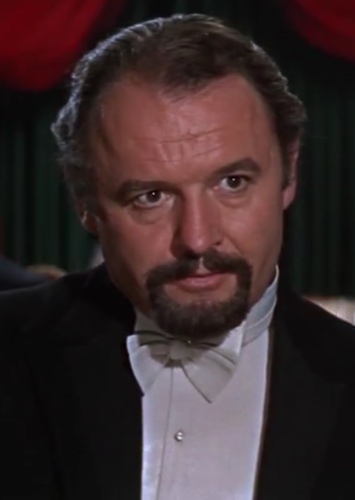
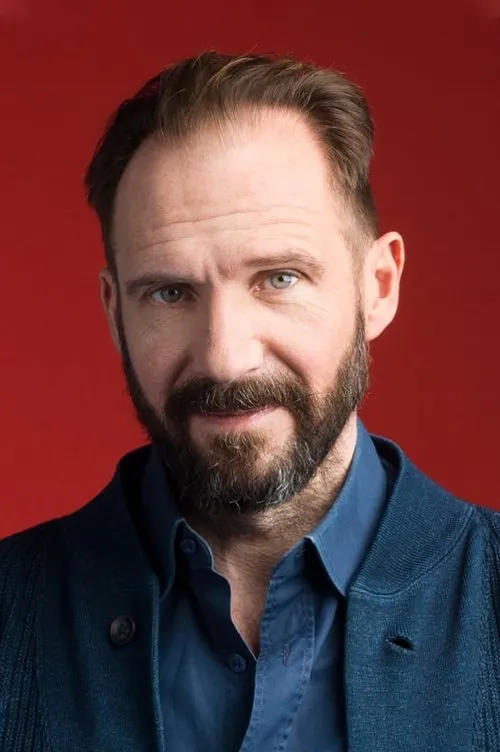
John Gavin Malkovich (born December 9, 1953) is an American actor. He has received several accolades, including a Primetime Emmy Award and nominations for two Academy Awards, a BAFTA Award, two Screen Actors Guild Awards, and three Golden Globe Awards. Malkovich started his career as a charter member of the Steppenwolf Theatre Company in Chicago in 1976. He moved to New York City, acting in a Steppenwolf production of the Sam Shepard play True West (1980). He made his Broadway debut as Biff in the revival of the Arthur Miller play Death of a Salesman (1984). He directed the Harold Pinter play The Caretaker(1986) and acted in Lanford Wilson's Burn This(1987). Malkovich has received two Academy Awards for Best Supporting Actor nominations for his performances in Places in the Heart (1984) and In the Line of Fire (1993). Other films include The Killing Fields (1984), Empire of the Sun (1987), Dangerous Liaisons (1988), Of Mice and Men (1992), Con Air (1997), Rounders (1998), Being John Malkovich (1999), Shadow of the Vampire (2000), Ripley's Game (2002), Johnny English (2003), Burn After Reading (2008), and Red (2010). He has also produced films such as Ghost World (2001), Juno (2007), and The Perks of Being a Wallflower (2012). For his work on television, he received the Primetime Emmy Award for Outstanding Supporting Actor in a Limited Series or Movie for Death of a Salesman (1985). His other Emmy-nominated roles were for portraying Herman J. Mankiewicz in RKO 281 (1999) and Charles Talleyrand in Napoléon (2002). Other television roles include Crossbones (2014), Billions (2018–19), The New Pope (2020), and Space Force (2020–2022).
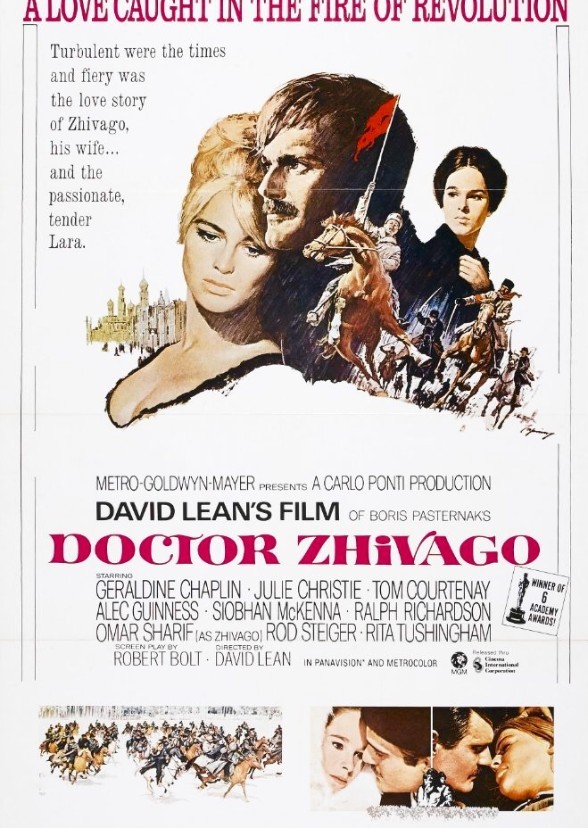
Boris Pasternak’s widely acclaimed novel comes gloriously to life in a magnificent new translation by Richard Pevear and Larissa Volokhonsky, the award-winning translators of War and Peace and Anna Karenina, and to whom, The New York Review of Books declared, “the English-speaking world is indebted.” First published in Italy in 1957 amid international controversy—the novel was banned in the Soviet Union until 1988, and Pasternak declined the Nobel Prize a year later under intense pressure from Soviet authorities—Doctor Zhivago is the story of the life and loves of a poet-physician during the turmoil of the Russian Revolution. Taking his family from Moscow to what he hopes will be shelter in the Ural Mountains, Zhivago finds himself instead embroiled in the battle between the Whites and the Reds. Set against this backdrop of cruelty and strife is Zhivago’s love for the tender and beautiful Lara: pursued, found, and lost again, Lara is the very embodiment of the pain and chaos of those cataclysmic times.