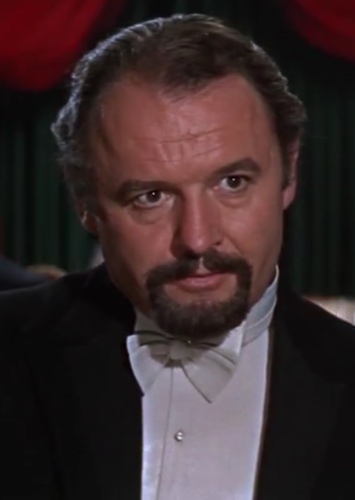
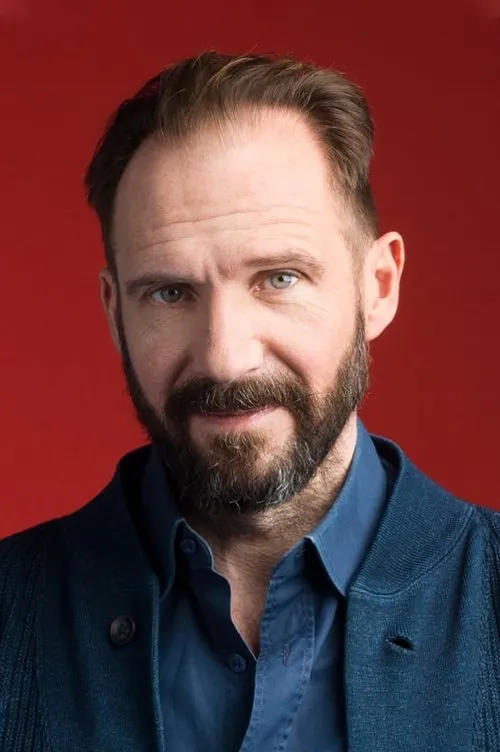
Age: 51
male
Joaquin Rafael Phoenix (born October 28, 1974) is an Euro-Latino American actor. Known for his roles as dark, unconventional and eccentric characters, particularly in period dramas, he has received various accolades, including an Academy Award, a British Academy Film Award, a Grammy Award, and two Golden Globe Awards. In 2020, The New York Times named him one of the greatest actors of the 21st century. He was born in Puerto Rico to a European-American father and a Jewish mother. Phoenix began his career by appearing in a television series in the early 1980s with his older brother River. His first major film roles were in SpaceCamp (1986) and Parenthood (1989). During this period, he was credited as Leaf Phoenix. He began being credited as Joaquin Phoenix in To Die For, his first adult role. He received critical acclaim for his supporting roles in the comedy-drama To Die For (1995) and the period film Quills (2000). Phoenix received further critical acclaim and a nomination for the Academy Award for Best Supporting Actor for his portrayal of Commodus in the historical drama Gladiator (2000). He had success with the horror films Signs (2002), The Village (2004) and the historical drama Hotel Rwanda (2004). He won a Grammy Award, a Golden Globe Award, and a nomination for the Academy Award for Best Actor for his portrayal of musician Johnny Cash in the biopic Walk the Line (2005). Following a brief sabbatical, Phoenix starred in the psychological drama The Master (2012), winning the Volpi Cup for Best Actor and earning his third Academy Award nomination. He gained praise for his roles in the romantic drama Her (2013) and the crime satire Inherent Vice (2014) and won the Cannes Film Festival Award for Best Actor for the psychological thriller You Were Never Really Here (2017). For his performance as the titular character of Joker (2019), Phoenix won the Academy Award for Best Actor. He has since starred in the independent films C'mon C'mon (2021), and Beau Is Afraid (2023) and portrayed the title role in the historical drama Napoleon (2023). Outside of acting, Phoenix is an animal rights activist. A vegan, he regularly supports charitable causes and has produced several documentaries on global meat consumption and its impact on the environment.
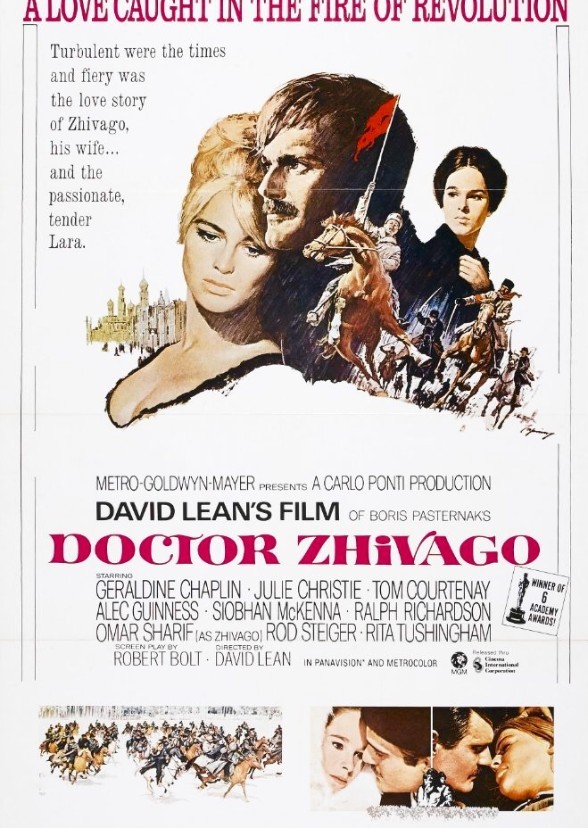
Boris Pasternak’s widely acclaimed novel comes gloriously to life in a magnificent new translation by Richard Pevear and Larissa Volokhonsky, the award-winning translators of War and Peace and Anna Karenina, and to whom, The New York Review of Books declared, “the English-speaking world is indebted.” First published in Italy in 1957 amid international controversy—the novel was banned in the Soviet Union until 1988, and Pasternak declined the Nobel Prize a year later under intense pressure from Soviet authorities—Doctor Zhivago is the story of the life and loves of a poet-physician during the turmoil of the Russian Revolution. Taking his family from Moscow to what he hopes will be shelter in the Ural Mountains, Zhivago finds himself instead embroiled in the battle between the Whites and the Reds. Set against this backdrop of cruelty and strife is Zhivago’s love for the tender and beautiful Lara: pursued, found, and lost again, Lara is the very embodiment of the pain and chaos of those cataclysmic times.