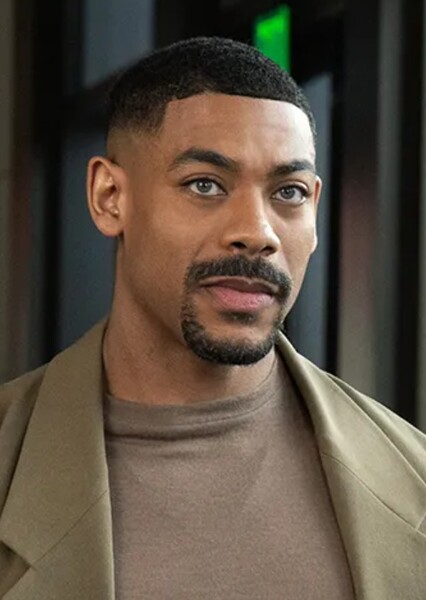
Age: 57
male
Robert Fitzgerald Diggs, better known by his stage name RZA or The RZA ( /ˈrɪzə/; born July 5, 1969), is an American Grammy-winning music producer, multi-instrumentalist, author, rapper, and occasional actor, director, and screenwriter. A prominent figure in hip hop music, he is the de facto leader of the Wu-Tang Clan. He has produced almost all of Wu-Tang Clan's albums as well as many Wu-Tang solo and affiliate projects. He is widely considered one of the most influential and landmark hip-hop producers of all time. He subsequently gained attention for his work scoring and acting in films. He has also released solo albums under the alter-ego Bobby Digital. In addition to the Wu-Tang Clan and his solo releases, RZA was also a founding member of the horrorcore rap group Gravediggaz where he used the name The Rzarector. He has also acted in several movies including Coffee and Cigarettes, American Gangster, Gospel Hill, Life Is Hot in Cracktown, Ghost Dog, Funny People, Derailed, Due Date and Repo Men. In 2008, RZA was ranked number four on About.com's best hip hop producers of all time list. Description above from the Wikipedia article RZA, licensed under CC-BY-SA, full list of contributors on Wikipedia.
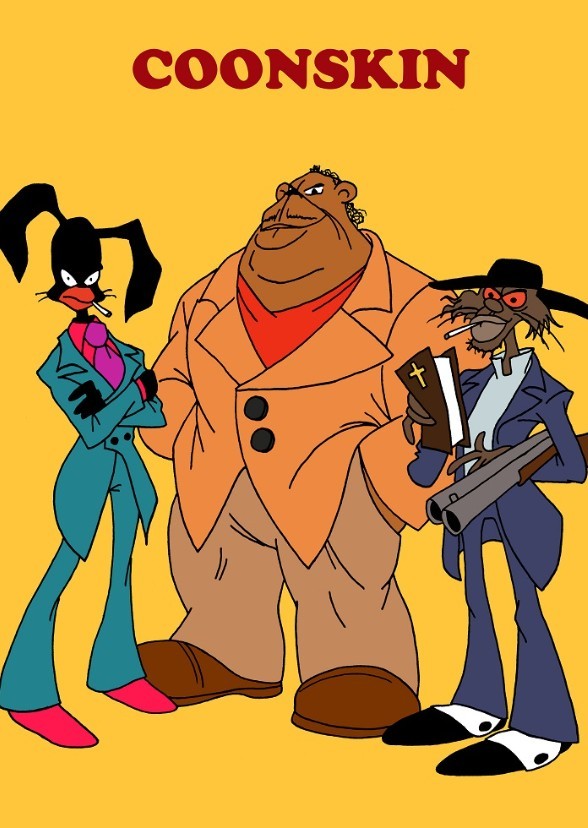
Coonskin is a 1975 American adult animated satirical crime film written and directed by Ralph Bakshi. The film references the Uncle Remus folk tales and satirizes the blaxploitation film genre as well as Disney's racially controversial film Song of the South, also adapted from the Uncle Remus folk tales. The film's narrative concerns three anthropomorphic Uncle Remus characters, Br'er Rabbit (referred to as Brother Rabbit), Br'er Fox (referred to as Preacher Fox), and Br'er Bear (referred to as Brother Bear). They rise to the top of the organized crime racket in Harlem, encountering corrupt law enforcement, con artists, and the Mafia, in a satire of both racism within the Hollywood film system, and America itself. Originally produced under the titles Harlem Nights and Coonskin No More... at Paramount Pictures, Coonskin encountered controversy before its original theatrical release when the Congress of Racial Equality accused the film of being racist. When the film was released, Bryanston gave it limited distribution and it initially received mixed reviews. Later re-released under the titles Bustin' Out and Street Fight, Coonskin has since been re-appraised, recontextualizing the film as the condemnation of racism that the director intended, rather than a product of a racist imagination, as its detractors had claimed.