
Age: 75
male
Carl Winston Lumbly (born August 14, 1951) is an American actor. He is known for his roles as television's first black superhero in M.A.N.T.I.S., Dick Hallorann in Doctor Sleep, NYPD detective Marcus Petrie on the CBS police drama Cagney & Lacey, CIA agent Marcus Dixon on the ABC espionage drama series Alias, and as the voice of J'onn J'onnz / Martian Manhunter in the animated series Justice League, Static Shock, and Justice League Unlimited, all part of the DC Animated Universe. As a reference to his voice work as J'onn, Lumbly portrayed J'onn J'onnz's father, M'yrnn, on The CW's Arrowverse on Supergirl from 2017 until 2019. He also plays Isaiah Bradley, the first Black super-soldier, in the Marvel Cinematic Universe (MCU) series The Falcon and the Winter Soldier (2021) and the film Captain America: Brave New World (2025). He was married to Vonetta McGee from 1987 until her death in 2010.
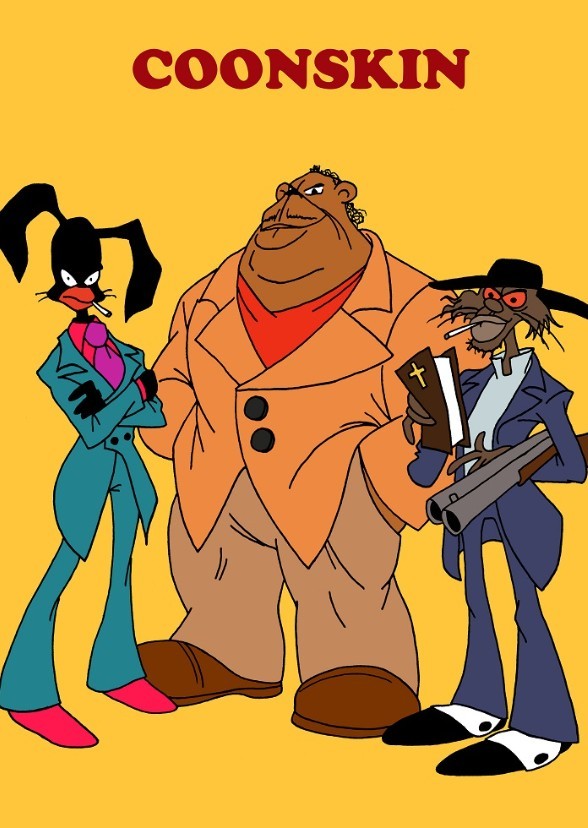
Coonskin is a 1975 American adult animated satirical crime film written and directed by Ralph Bakshi. The film references the Uncle Remus folk tales and satirizes the blaxploitation film genre as well as Disney's racially controversial film Song of the South, also adapted from the Uncle Remus folk tales. The film's narrative concerns three anthropomorphic Uncle Remus characters, Br'er Rabbit (referred to as Brother Rabbit), Br'er Fox (referred to as Preacher Fox), and Br'er Bear (referred to as Brother Bear). They rise to the top of the organized crime racket in Harlem, encountering corrupt law enforcement, con artists, and the Mafia, in a satire of both racism within the Hollywood film system, and America itself. Originally produced under the titles Harlem Nights and Coonskin No More... at Paramount Pictures, Coonskin encountered controversy before its original theatrical release when the Congress of Racial Equality accused the film of being racist. When the film was released, Bryanston gave it limited distribution and it initially received mixed reviews. Later re-released under the titles Bustin' Out and Street Fight, Coonskin has since been re-appraised, recontextualizing the film as the condemnation of racism that the director intended, rather than a product of a racist imagination, as its detractors had claimed.




